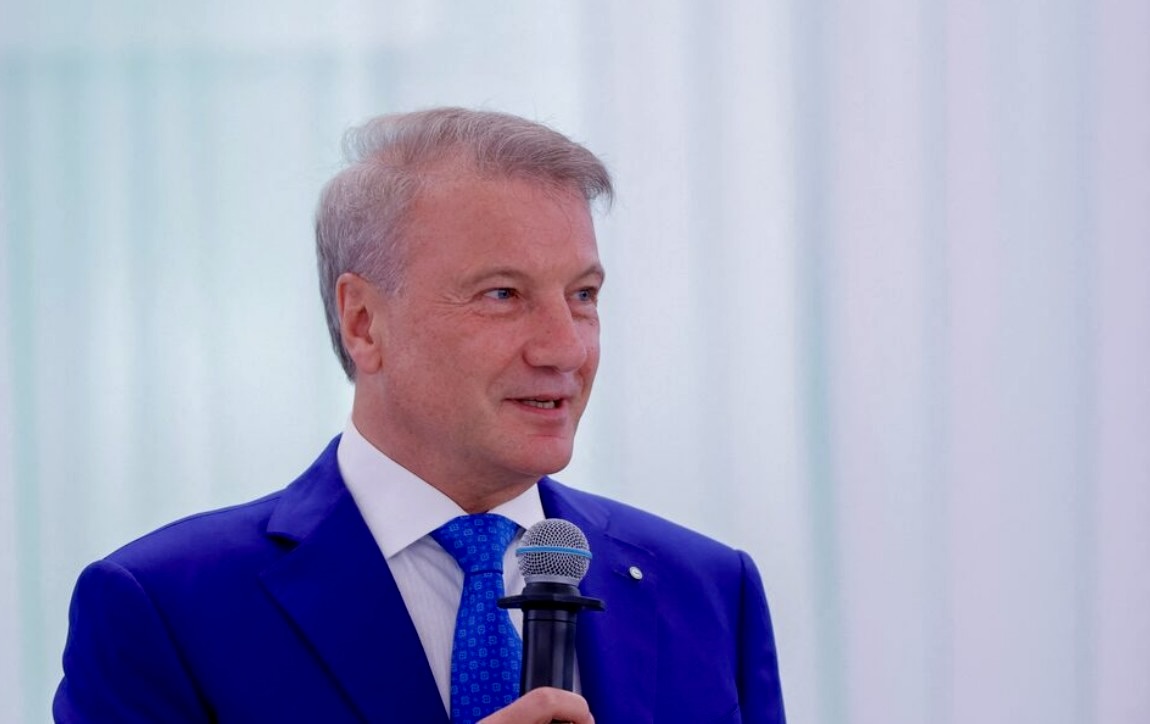
MOSCOW (Realist English). On September 4, Sberbank CEO German Gref said on the sidelines of the Eastern Economic Forum that Russia’s economy is facing a “wave of insolvency” and bankruptcies across various sectors.
According to him, despite large businesses’ successful adaptation to high interest rates, the situation in several industries remains concerning, and the cut in investment threatens to slow growth in the years ahead.
Large Business Adapted — But Not All
Gref noted that large Russian companies have managed to adjust to the new economic environment, including high interest rates. Businesses have “sharply reduced costs and capital raising, and are trying to pay down debt as much as possible.”
“And that is good news. Although there are problems in a number of sectors,” the Sberbank head stressed.
Wave of Insolvency: What Is Happening in the Real Sector
Despite the adaptation, Gref warned of negative trends:
“We are now seeing a wave of insolvency in various sectors and company bankruptcies,” he said in an interview with the information service Vesti.
According to him, companies have almost completely halted their investment programmes. Project finance — investment in development — “has become exotic.”
Investment Slump as the Main Threat
Gref’s main concern is the fall in investment:
“We are seeing a decline in investment this year, and we will certainly see the impact of this process on economic growth in the years to come,” the Sberbank head noted.
The reduction in capital expenditure in 2026 will inevitably affect future economic growth rates. When companies cut costs by axing investment programmes, they survive today but create problems for tomorrow.
Key Rate Forecast
To support business, real interest rates need to come down. Sberbank expects the key rate to continue declining at a pace of 25–50 basis points. Sberbank’s forecast:
| Period | Projected Key Rate |
| End of 2026 | 13–13.5% |
| End of 2027 | 11–11.5% |
Adaptation Amid Crisis — What Lies Behind Gref’s Words
German Gref’s warning reflects the dual picture of Russia’s economy in 2026. On the one hand, large businesses are showing resilience, successfully adapting to high rates and external pressure.
On the other, a wave of insolvency in some sectors and the scaling back of investment create risks for long‑term growth.
The main concern is not the bankruptcies themselves, but their systemic consequences. The decline in capital expenditure will inevitably affect productivity, technological modernisation and the competitiveness of the Russian economy over the medium term.
At the same time, Sberbank’s key‑rate forecast (13–13.5% by the end of 2026) implies that high borrowing costs will persist at least until 2027. This means that pressure on businesses will not ease in the coming months, and the wave of bankruptcies may continue, affecting not only small and medium‑sized enterprises but also large businesses.