
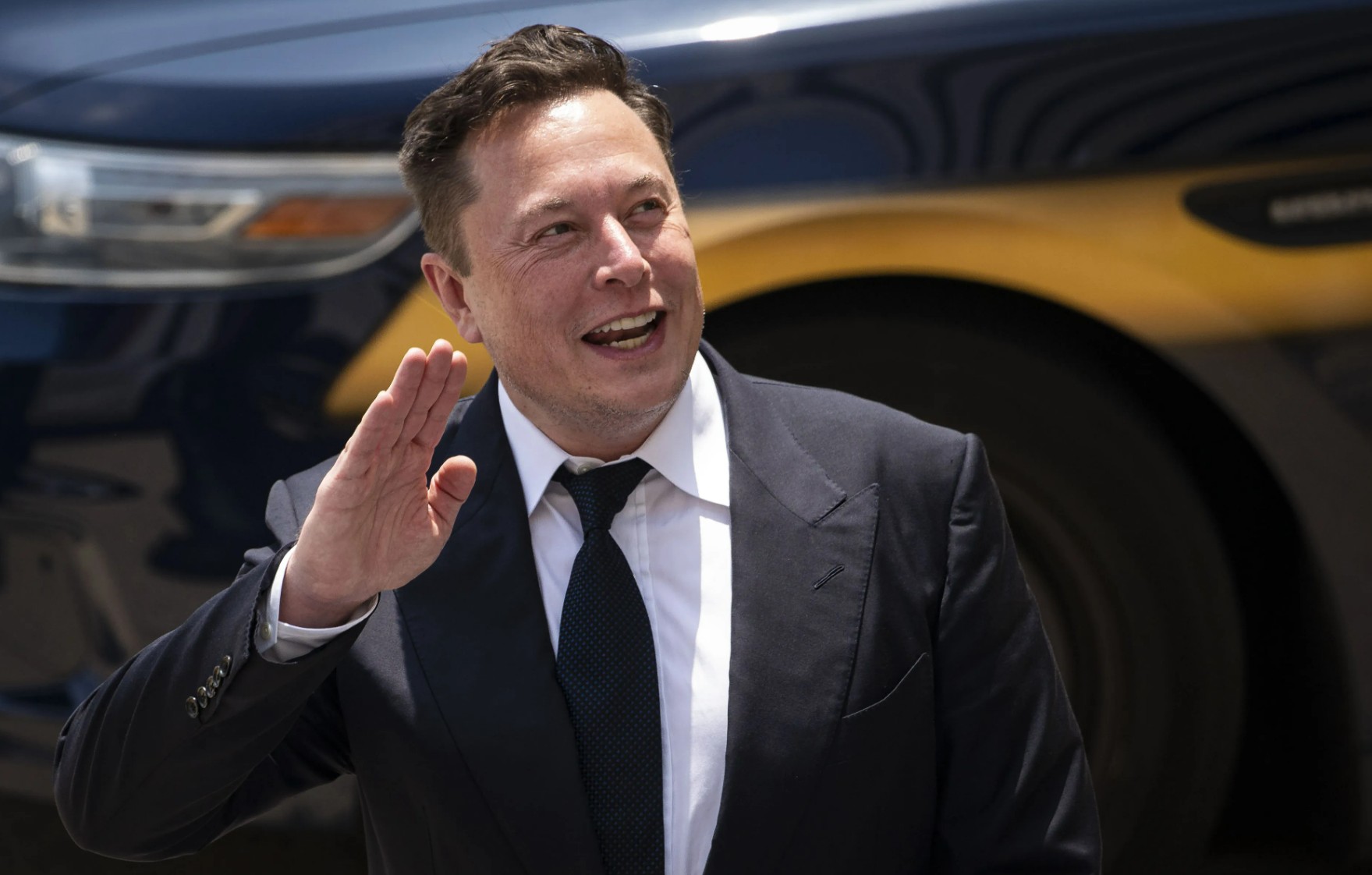
WASHINGTON (Realist English). SpaceX and Tesla CEO Elon Musk announced on 25 November that every child in the US will receive two shares in his aerospace company — one from SpaceX itself and one from his personal holdings. He wrote this on the social network X.
Mechanism and timing of the transfer
According to Musk, the SpaceX share will be transferred next month, while his personal share will follow after the lock-up period expires in June 2027. Earlier the same day, SpaceX said it would deposit one new Class A share into every active Trump Account — a programme designed to invest funds for children under 18 — and Musk committed to personally transferring as many shares as the company donates.
Scale: $18 billion and 72 million children
Based on SpaceX’s closing share price on Wednesday of $127.44 and the US Census Bureau’s estimate of about 72 million children in the country, the total value of the gift is approximately $18.35–18.4 billion**. This is roughly three times the previous record gift through Trump Accounts, made by Michael Dell.
The current pledge is double Musk’s initial commitment in October — to give one share to every child in the US. At the time, he said it would be “the first of many” such steps.
FCC approval and pressure on the tech sector
The announcement was made on the eve of Thanksgiving and several hours after the US Federal Communications Commission approved SpaceX’s proposal to deploy 1 million satellites to meet growing demand for AI computing.
The decision drew criticism from the astronomical community: the American Astronomical Society said it was “saddened and alarmed” by the FCC’s decision and warned that the proposed constellation would “significantly undermine decades of federal investment in astronomical facilities.”
As Reuters notes, Musk is seeking to expand SpaceX’s role in the AI industry amid growing public concern over the environmental consequences of computing infrastructure and the political influence of tech billionaires. Opponents of data centre expansion were among the main winners for the Democrats in this month’s midterm elections.
Analysts’ assessments and comparison with Anthropic
According to Chez Anbu, head of wealth advisory at OCBC in Singapore, the initiative “helps broaden public participation in the SpaceX story” and “creates a powerful narrative of broader participation in the benefits of the AI and space economy.”
Christopher Brankin, global market adviser at brokerage Mitrade Group, noted that the gift “builds a mass long-term retail shareholder base” and “creates a huge pipeline of financially literate customers for trading platforms as this generation grows up.”
Musk’s initiative is contrasted with the approach of his AI competitor Anthropic, which held its IPO earlier this month. In October, Anthropic committed to transferring 5% of its shares to a new public benefit fund valued at about $54 billion. Mark Tinker, chief investment officer at Toscafund HK in Hong Kong, described Musk’s gift as “probably an advertisement for Trump Accounts… and also a response to the noise around Anthropic’s philanthropy.”
Limits and risks
As observers note, the key feature of the situation is the combination of a philanthropic gesture with a business and political agenda. The gift coincided with the FCC’s approval of the satellite constellation and came amid criticism of the influence of tech billionaires. Musk himself did not provide further details on the criteria for receiving shares or the mechanism for distributing his personal holdings.
In addition, the value of the gift is tied to SpaceX’s current share price, which has fallen by about 13% since the initial pledge in October amid a broader sell-off in AI-linked stocks.
For the market and the public, the immediate effect will be most noticeable primarily in how the programme is implemented in practice and whether it faces regulatory or tax restrictions — and that is precisely where it is most sensitive for the reputation of Musk and his companies.