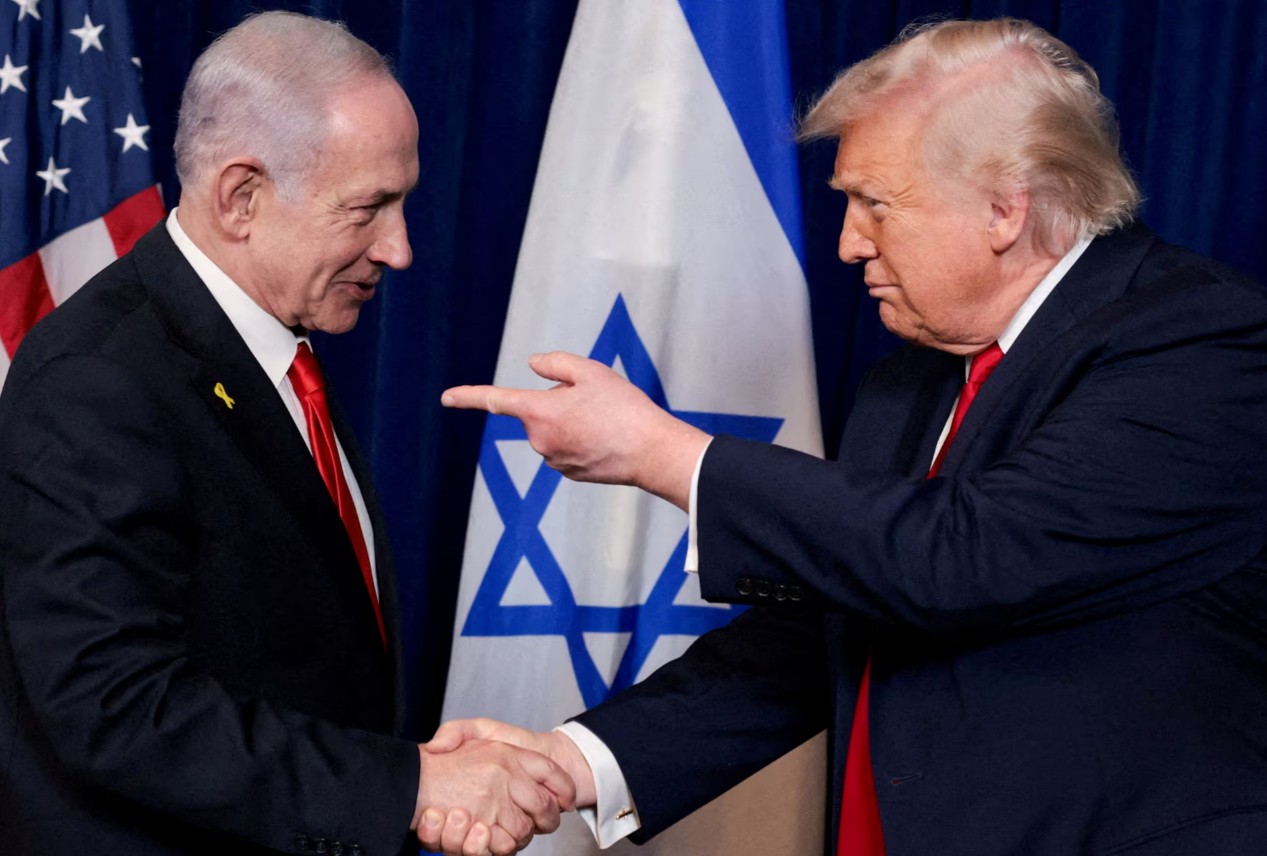
WASHINGTON (Realist English). US President Donald Trump has asserted that the ongoing war in the Middle East will end immediately after the midterm congressional elections scheduled for November 3, 2026.
“The war will end right after the elections. We don’t want it to drag on any further,” the American leader said, adding that he expects oil prices to fall.
Trump also noted that negotiations with Tehran remain possible, although Washington “is not actively seeking a deal.”
The statement came amid the ongoing blockade of the Strait of Hormuz, a record crack spread of $102 per barrel, and a diesel crisis that has already led to fuel rationing in several countries.
“The War Will End Right After the Elections”
Trump’s key thesis is the linkage of the conflict’s end to the US political calendar. The midterm elections, in which all 435 members of the House of Representatives and a third of the Senate will be re‑elected, will be held on November 3, 2026. According to the president, ending the war precisely after that date will allow the situation to stabilise without additional political damage to his administration.
“We don’t want it to drag on any further. The war will end right after the elections,” Trump stressed. He did not specify exactly how the conflict would be terminated — through military pressure, a diplomatic agreement, or a unilateral withdrawal of troops.
Analysts link the statement to a desire to reduce political risks before the vote. The continuation of the war and high fuel prices remain among the main factors of voter discontent, and a fall in oil prices could ease inflationary pressure ahead of the elections.
Oil Forecast: Trump Promises Lower Prices
Trump predicted that oil prices would decline. However, markets took the statement with caution. Brent remained above $90 per barrel during trading, while the diesel crack spread stood at $102 — four to six times the historical norm.
| Indicator | Current Value | Trump’s Forecast |
| Brent | >$90 per barrel | Decline |
| Diesel crack spread | $102 per barrel | Decline |
| US retail diesel price | $5.85–5.90 per gallon | Decline |
| Midterm elections | November 3, 2026 | — |
Experts note that even if the active phase of the conflict ends, the structural deficit of refining capacity — caused by attacks on Russian refineries and years of underinvestment — will persist. This means that prices for petroleum products may remain elevated for a long time, even if the geopolitical premium disappears.
“Trump’s statement is more a political signal than an economic forecast. The petroleum products market is overstretched, and the end of the war alone is not enough to return to previous levels,” one energy market analyst noted.
Talks with Tehran: Possibility Exists, But Washington Is Not Seeking a Deal
Trump allowed for the resumption of negotiations with Iran, but stressed that Washington is not actively striving for a deal. “Talks are possible, but we are not seeking a deal,” he said. This contradiction reflects a complex diplomatic game: on the one hand, the White House maintains a channel for dialogue; on the other, it does not want to appear interested in a compromise before the elections.
Tehran has repeatedly stated that it will not enter negotiations while military strikes continue and the blockade of the Strait of Hormuz remains in place. Iranian officials demand a ceasefire and the lifting of sanctions as preconditions.
Experts believe Trump’s statement may be a tactical move: it simultaneously signals readiness for dialogue and maintains pressure on Iran. However, without real steps toward Tehran, the probability of a breakthrough remains low.
Market and Expert Reaction
Markets reacted to Trump’s statement with restraint. Oil prices did not show a sharp decline, and analysts warned that political promises do not replace fundamental changes in supply and demand.
“Investors have heard similar statements before. As long as there are no concrete actions — whether a ceasefire or the lifting of the Hormuz blockade — the market will not price in a sustained decline,” said an RBC BlueBay analyst.
Some experts point to the risk that prolonging the conflict until and after the elections could lead to an even more serious energy crisis, especially if the Strait of Hormuz blockade persists into the winter period, when demand for diesel traditionally rises.
Forecast and Risks
The key question is how much Trump’s statement corresponds to Washington’s real plans. If the war does indeed end after November 3, oil prices could fall by $10–20 per barrel, easing inflationary pressure.
However, if the conflict drags on or enters a new phase, prices may remain high, and the diesel crisis may worsen.
Main risks:
- Continued blockade of the Strait of Hormuz and supply disruptions
- Lack of real progress in negotiations with Tehran
- Political pressure on Trump if the war drags on until the elections
- Structural deficit of refining capacity that will not disappear even after the conflict ends.