HONG KONG (Realist English). On September 6, Hong Kong Financial Secretary Paul Chan announced that several state‑owned infrastructure companies from Central Asia are preparing to list on the Hong Kong Stock Exchange.
The city, seeking to diversify its equity market beyond mainland China, is betting on the region’s growing economies — where a concrete breakthrough has already emerged: Kazakhstan’s state railway operator, Kazakhstan Temir Zholy (KTZ), filed for an IPO in June and could become the first major state entity from Central Asia to list in Hong Kong.
Paul Chan’s Statement: New Listings on the Horizon
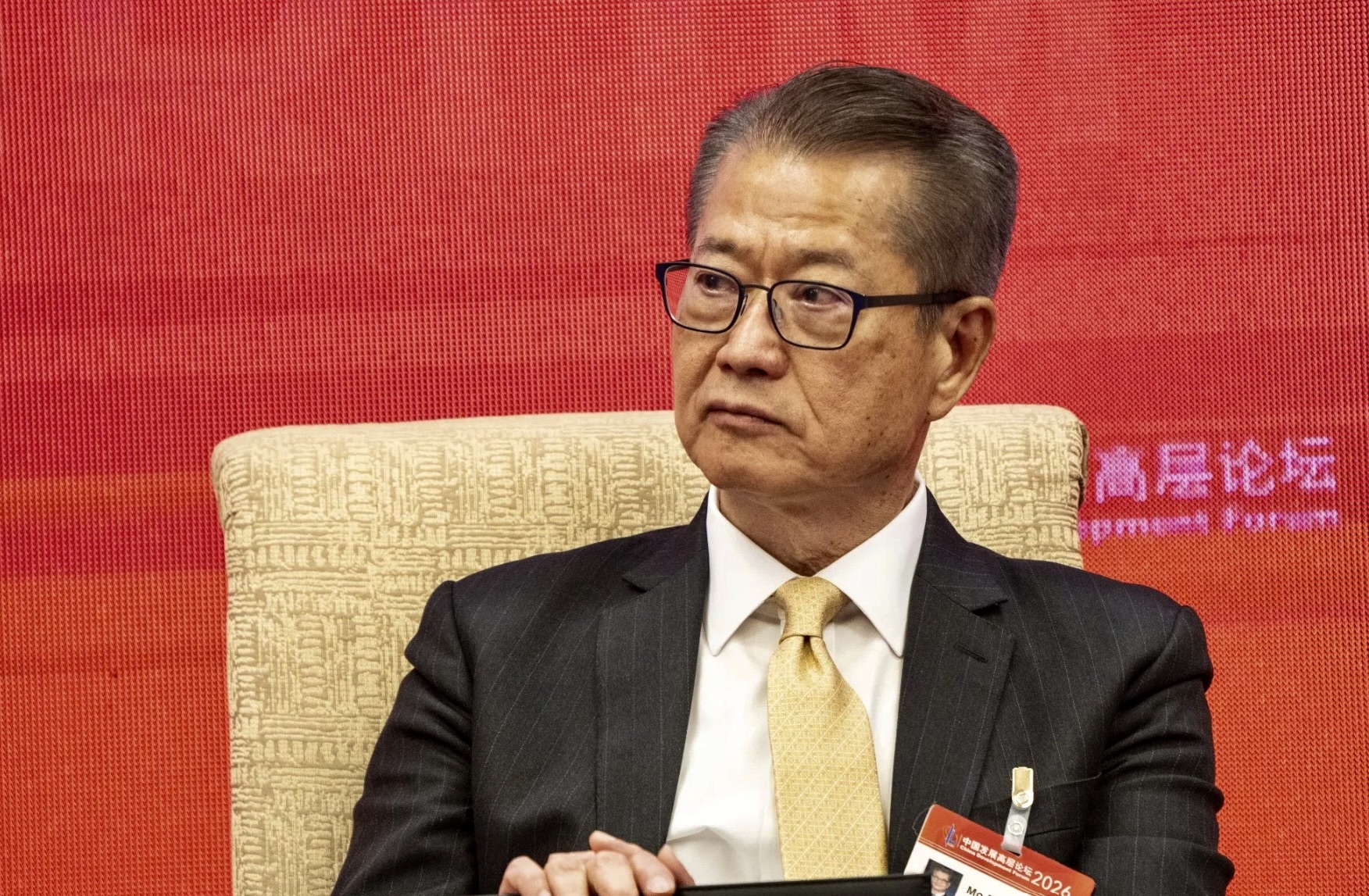
On September 6, Hong Kong Financial Secretary Paul Chan told Bloomberg that several state‑owned infrastructure companies from Central Asia are planning to list in Hong Kong.
Chan did not name specific companies or provide a timeline, but confirmed that discussions are ongoing. According to him, more than 100 companies from Belt and Road Initiative member countries are already listed on the Hong Kong Stock Exchange, with a combined market capitalisation exceeding HK$340 billion ($43.4 billion).
“Hong Kong is working to diversify its markets and strengthen ties with a rapidly growing region,” Chan said.
KTZ: The First Test Case
The most concrete project is already in the implementation stage — Kazakhstan Temir Zholy (KTZ), Kazakhstan’s state railway operator. The company filed for an IPO in Hong Kong in June 2026. KTZ is wholly owned by Kazakhstan’s sovereign wealth fund Samruk‑Kazyna and is seeking financing to build a cross‑border railway connecting Kazakhstan and China.
According to data from July 2026, KTZ’s revenue last year rose 27.41% to $56.5 billion. The sole sponsor of the offering is China International Capital Corporation (CICC).
A successful KTZ listing is expected to serve as a test case for other state companies in the region considering the Hong Kong market.
| Parameter | Details |
| Company | Kazakhstan Temir Zholy (KTZ) |
| Status | IPO application filed in June 2026 |
| Owner | Samruk‑Kazyna (Kazakhstan’s sovereign wealth fund) |
| Fundraising purpose | Construction of cross‑border railway connecting Kazakhstan and China |
| Revenue (past year) | $56.5 billion (+27.41%) |
| Sponsor | China International Capital Corporation (CICC) |
Samruk‑Kazyna and the Privatisation Pipeline
Behind the potential wave of listings stands Samruk‑Kazyna — Kazakhstan’s sovereign wealth fund, managing $68 billion in assets. The fund is conducting a large‑scale privatisation programme that could bring several portfolio companies to international exchanges.
Hong Kong Trade Development Council Chairman Frederick Ma confirmed that at least one enterprise from Samruk‑Kazyna’s portfolio is expected to list in Hong Kong by the end of 2026.
The Diplomatic Foundation: 96 Memorandums
The economic rapprochement is underpinned by intensive diplomatic work. In June 2026, Hong Kong Chief Executive John Lee led a delegation of 70 government and business representatives to Kazakhstan and Uzbekistan.
The trip resulted in the signing of 96 memorandums of understanding: 61 in Kazakhstan and 35 in Uzbekistan.
A Precedent: Jiaxin International Resources
Hong Kong has proof that the model works. In August 2025, tungsten mining company Jiaxin International Resources conducted a dual listing on the Hong Kong Stock Exchange, raising HK$1.2 billion, with shares rising 178% on the first day of trading.
HKEX CEO Bonnie Chan described dual and secondary listings of Central Asian infrastructure and mining companies as an “inevitable trend.”
A New Vector for Hong Kong
Paul Chan’s announcement of upcoming Central Asian state‑owned company listings is not merely another IPO story — it is a signal of Hong Kong’s strategic pivot. The city, long reliant on mainland Chinese issuers, is actively seeking new sources of capital and new markets.
Kazakhstan is becoming the primary testing ground for this strategy. The state railway operator KTZ has already filed its application, and according to officials, other companies from the portfolio of the $68 billion sovereign wealth fund Samruk‑Kazyna are set to follow.
Diplomatic groundwork has already been laid: the 96 memorandums signed during John Lee’s visit to Central Asia have created an institutional foundation for economic rapprochement.
Significantly, Hong Kong is not only betting on state companies. The successful debut of Jiaxin International Resources in 2025 demonstrated that private capital from the region is also ready to list in the city. Yet open questions remain as to whether Hong Kong can sustain this momentum and transform Central Asian listings from a one‑off event into a lasting trend.