TEHRAN (Realist English). On September 9, Iran’s Foreign Ministry issued a statement expressing Tehran’s readiness for dialogue with regional countries. According to the Iranian side, the goal of the talks is “strengthening mutual trust, achieving sustainable security and promoting economic progress.”
The statement particularly emphasises that security in the Persian Gulf and the Sea of Oman “must be ensured through cooperation among littoral states and without interference by external forces.”
The initiative came amid the armed conflict between the US and Iran that began on February 28, 2026, which has led to the de facto blockade of the Strait of Hormuz and a deep shipping crisis in the region.
War, Blockade and Diplomatic Pressure
The Iranian Foreign Ministry’s statement was a response to the complex pressure Tehran is facing on several fronts simultaneously.
Military confrontation. The conflict that began on February 28, 2026, has now lasted more than six months. Mutual attacks on tankers have led to oil spills and casualties among sailors, and only about 10 vessels a day now pass through the Strait of Hormuz instead of the usual 40–50.
Diplomatic pressure. On September 9, the IAEA Board of Governors voted to refer Iran’s “nuclear file” to the UN Security Council — for the first time in 20 years. The resolution, introduced by the UK, France, Germany and the US, was adopted by 23 votes to three (Russia, China and Niger), with eight abstentions.
Economic blockade. The US openly states that its naval forces in the Gulf are focused on halting Iranian energy exports. “We are strangling their economy to achieve either a change in the existing regime’s policy or a new regime,” US Energy Secretary Chris Wright said.
US Position: Talks Not a Priority
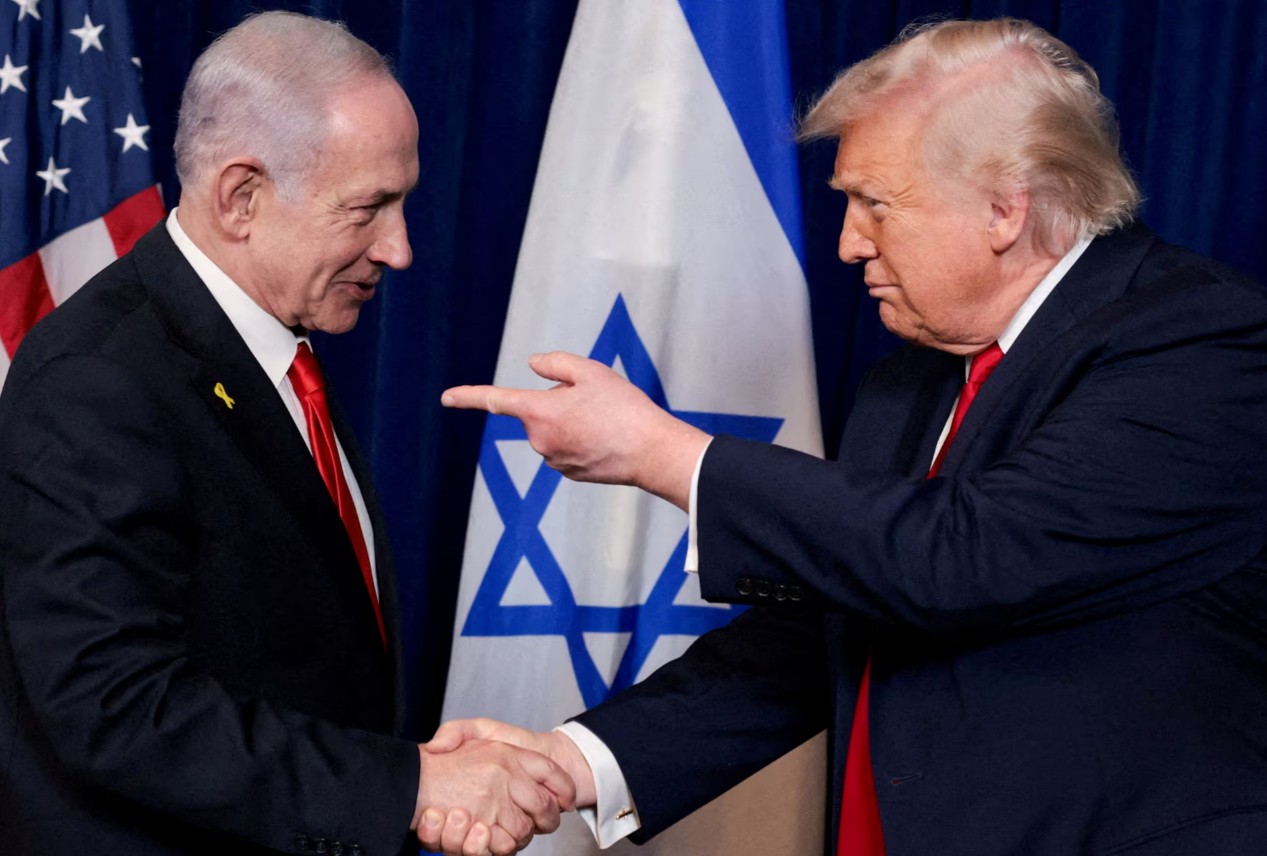
The American side has made clear it is not interested in active negotiations with Tehran. President Donald Trump said he “is not seeking talks with Iran,” though he allowed that “talks could in principle take place.”
Trump also linked the end of the war to the US political calendar, saying the conflict would end “right after the midterm elections in November.” According to him, Iran is trying to influence the outcome of the vote, counting on “weaker politicians” who would leave Tehran alone and allow it to develop nuclear weapons.
Energy Secretary Chris Wright, for his part, suggested that a nuclear agreement with Iran could be postponed until “the next administration” in Tehran, or that the US would “simply destroy their capabilities” militarily.
Iran’s Reaction: “The Resolution Is a Political Tool”
Iran reacted sharply to the IAEA decision. Iran’s ambassador to the agency, Reza Najafi, called the resolution a “political tool” and said it “will yield no results.”
“Iran will cooperate only to the extent that circumstances and security permit,” Najafi stressed.
Iran’s mission to the UN in Vienna called on IAEA Director General Rafael Grossi to “call on the US and Israel to stop their illegal attacks,” accusing the agency of “unprofessional, biased and politically motivated reports.”
Experts: “An Exercise in Futility”
Analysts are sceptical about the prospects for both diplomatic pressure on Iran and its own regional initiatives.
Ali Vaez of the International Crisis Group noted that the IAEA resolution “is seen by some as an opportunity to add legal pressure to economic strangulation and naval blockade.” However, in his words, “ultimately it is an exercise in futility,” since Russia and China “will likely ensure that Western pressure hits a wall in the Security Council.”
Iran’s initiative for regional dialogue without external forces may be an attempt by Tehran to find a way out of diplomatic isolation, but without progress on the US-Iran track, its prospects remain uncertain.
Forecast: Dialogue Possible, But Without the US
The Iranian Foreign Ministry’s statement signals Tehran’s readiness for regional dialogue — but not with Washington. The formula “without interference by external forces” effectively excludes the US from the equation, making the initiative unacceptable to the American side.
Key questions remain open:
- Are the Persian Gulf states (Saudi Arabia, the UAE, Qatar) ready for direct dialogue with Tehran bypassing Washington?
- Can Iran offer real guarantees for the security of shipping through Hormuz?
- How will the Trump administration react to an attempt to regionalise the settlement without US participation?
At present, one thing is clear: Tehran is trying to seize the diplomatic initiative amid military and economic pressure, but without a change in Washington’s position, a breakthrough is unlikely.