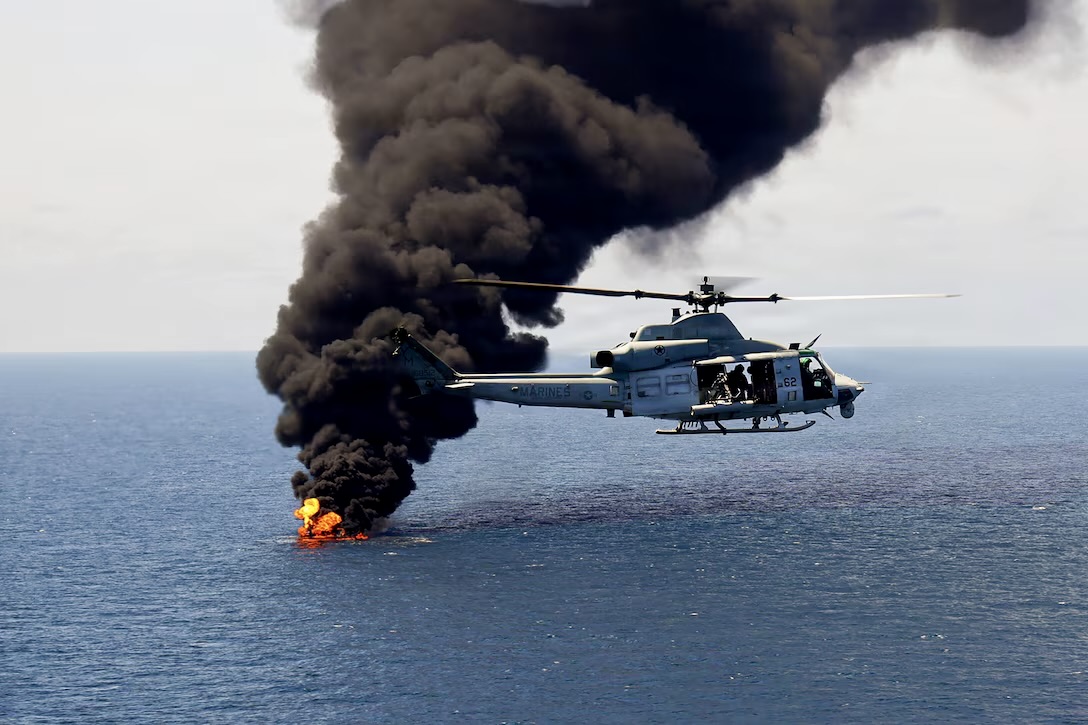
LONDON (Realist English). The United Kingdom has suspended the exchange of maritime intelligence with the United States amid concerns that Washington has used British-provided data to conduct lethal and unlawful strikes on vessels it claims are drug-trafficking boats in the Caribbean.
The move, revealed by CNN on Tuesday, marks a rare and serious rupture between two of the world’s closest intelligence allies. It comes amid growing international alarm over the legality of the US military’s expanding campaign in Latin American waters.
According to the report, British officials believe the strikes — which have killed at least 76 people since September — amount to extrajudicial killings and breach international law.
The UK has long relied on its Caribbean territories as intelligence hubs for tracking suspected smuggling routes. That information was regularly shared with the Joint Interagency Task Force South, a US-led coordination center in Florida overseeing multinational anti-narcotics operations.
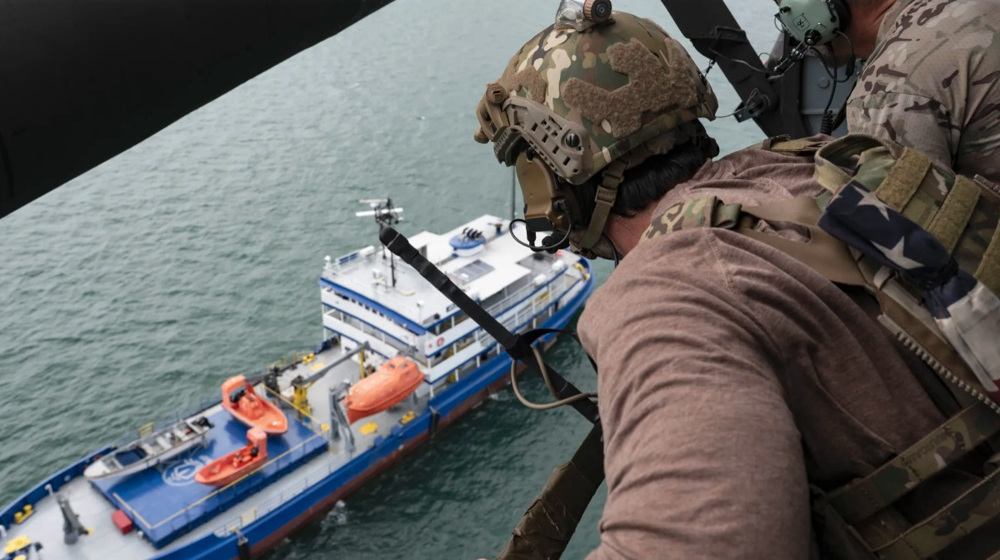
While those missions traditionally involved intercepting and boarding vessels, detaining crews, and seizing narcotics, they did not include launching missiles. After Washington began authorizing lethal drone and missile strikes on small boats earlier this year, London became increasingly concerned that its intelligence was being used to select targets, CNN said.
Sources told the network that the UK halted cooperation more than a month ago, following internal legal reviews warning that the US campaign could violate international humanitarian law.
UN High Commissioner for Human Rights Volker Türk condemned the US actions as “extrajudicial killings” and “a clear breach of international law.”
Discontent has also surfaced inside the US military. Admiral Alvin Holsey, head of US Southern Command, reportedly offered to resign after questioning the legality of the strikes during a heated meeting with Pentagon leaders. Several military lawyers have raised similar concerns about the campaign’s compliance with the Law of Armed Conflict, though the Pentagon insists all operations are lawful.
Legal experts say Washington’s argument that drug traffickers qualify as “enemy combatants” in a conflict with the United States lacks any foundation in international law. They note that designating criminal groups as “foreign terrorist organizations” does not provide open-ended authority to kill — particularly when some of the targeted vessels were reportedly stationary or attempting to flee.
Canada, another key US partner, has also distanced itself from the strikes. While continuing to cooperate under Operation Caribbean, Ottawa has formally barred the US from using Canadian intelligence in lethal missions.
Analysts say the growing resistance from Washington’s closest allies highlights a deepening divide over what critics call the reckless militarization of US anti-drug policy.
In recent weeks, the United States has bolstered its naval presence in Latin American waters while escalating rhetoric against the governments of Venezuela and Colombia. According to Drop Site News, the campaign — originally directed at Venezuela — has quietly expanded to include targets in Colombia and Mexico, reportedly under the leadership of Secretary of State Marco Rubio and with backing from allies of President Donald Trump.