TAMPA (Realist English). On 7 November, CENTCOM commander Admiral Brad Cooper ordered the creation of the task force Task Force Iron Gate. The new unit, comprising about 20 civilian and military specialists and based in Tampa, Florida, will coordinate with other US agencies to cut off Iran’s land routes bypassing the naval blockade.
From sea to land: expanding pressure
Until now, Washington’s main instrument of pressure has been the naval blockade of Iranian ports in the Persian Gulf and Gulf of Oman, in effect since 13 April 2026.
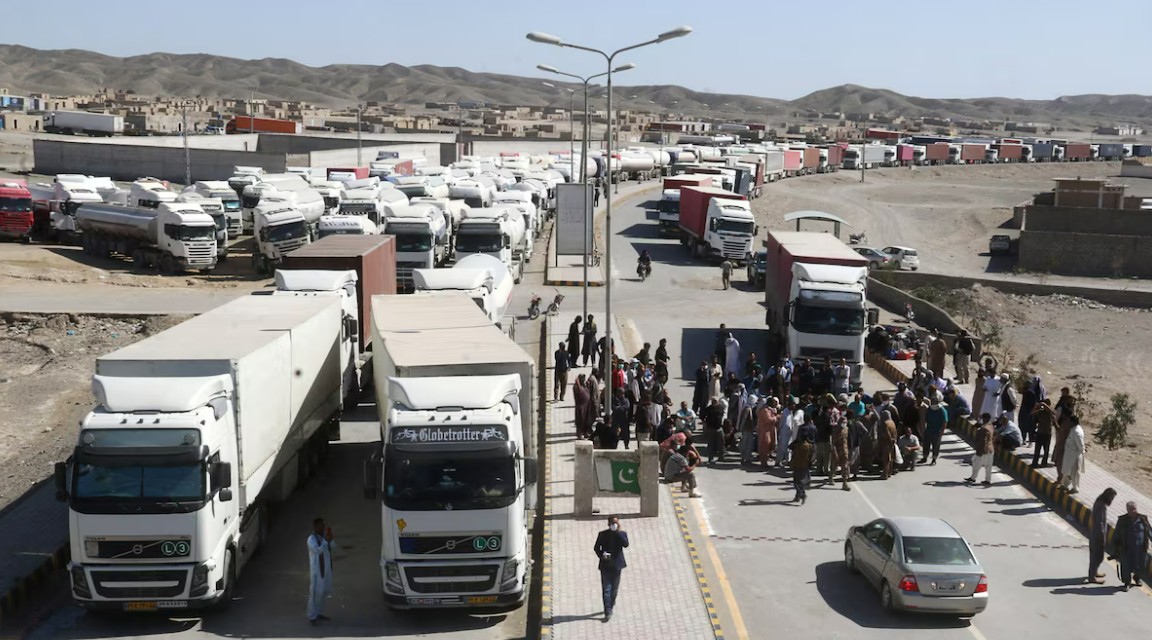
According to CENTCOM estimates, it has already prevented the export of Iranian crude oil worth over $25 billion. However, as Reuters notes, Tehran is increasingly redirecting foreign trade to land routes through neighboring countries, primarily Turkey. The new group is intended to close this loophole.
What exactly will be intercepted
According to CENTCOM’s statement, Iron Gate will focus on preventing the movement across Iran’s land borders and the Caspian Sea of:
- advanced weapons systems;
- dual-use technologies;
- sanctioned materials;
- illicit sources of revenue.
Admiral Cooper stressed that the creation of the group “builds on the success of our iron blockade of Iran at sea” and, in cooperation with interagency partners, “will further limit Iran’s ability to fund terrorism, rebuild weapons factories and replenish its armed forces.”
War, blockade and negotiations
The Iran issue remains central to US foreign policy in the Middle East. The naval blockade, imposed in April, was temporarily suspended during a short truce but reinstated on 14 July after its collapse.
Against this backdrop, Washington and Tehran continue to exchange signals about possible negotiations, but military pressure is not easing. The new task force signals that the US intends to maintain and increase the sanctions stranglehold on Iran’s economy, even if the diplomatic track resumes.
Analytical conclusion
The creation of Iron Gate is not merely a technical expansion of the blockade but an attempt to close a fundamental vulnerability of the sanctions strategy. The naval blockade has proven effective against oil exports, but it cannot control land routes stretching thousands of kilometers.
However, a new group of 20 people in Tampa is unlikely to be able to physically block all routes: its role is more coordinative and intelligence-related. The key question is whether Washington can persuade Iran’s neighbors, primarily Turkey, to tighten control on their borders, or whether land routes will remain the main channel for circumventing sanctions, negating a significant part of US efforts.