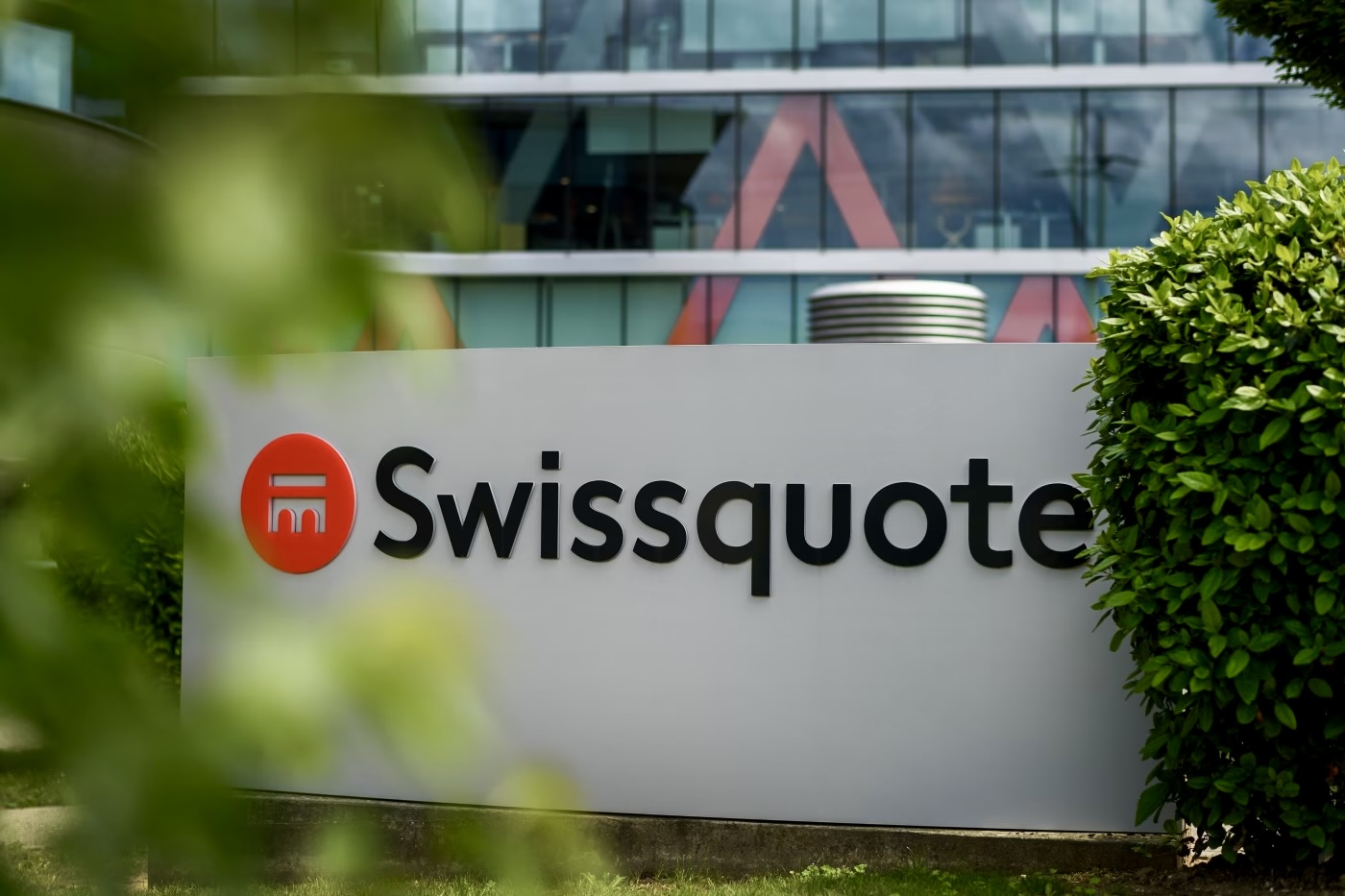
BERN (Realist English). Swiss online bank Swissquote and its subsidiary neobank Yuh have begun selectively closing accounts of Russian clients permanently residing in Switzerland.
Even tax residents with category C residence permits and dual citizens, including holders of Swiss passports, have been affected. According to estimates, the measure may affect around 600 accounts.
‘Exceptional situations’ instead of a systematic approach
Swissquote CEO Mark Bürki confirmed the closure of accounts but stressed that it was not a mass practice. According to him, the bank is forced to terminate contracts in “exceptional situations” – for example, if a client is on a sanctions list or if his economic activity is closely linked to Russia.
At the same time, a source at Inside Paradeplatz claims that the wave of closures is much broader than the bank’s management admits.
Economics vs. monitoring
Bürki acknowledged that the decision is indirectly linked to Russian citizenship but insists on “purely economic” reasons. Serving Russian citizens, he said, imposes additional obligations on the bank:
- verification of the economic origin of assets;
- cross‑checking clients against sanctions lists;
- enhanced control of all banking operations.
“The revenue from serving clients in the Yuh app is very low, so monitoring costs are too high to continue such relationships,” the Swissquote chief explained.
Who has been affected
According to the Swiss portal Inside Paradeplatz, the closures have affected:
- Swiss tax residents with permanent residence permits (category C);
- persons with spotless reputations and no criminal records;
- people with dual citizenship, including holders of Swiss passports.
Bürki called the inclusion of Swiss citizens and permanent residents under the restrictions a possible error, explaining that the bank does not always have complete data on clients’ second citizenship.
The sanctions context
Swissquote’s decision comes amid the tightening of Switzerland’s sanctions policy. In December 2025, the Swiss government expanded restrictions against Russia, joining the 19th EU sanctions package. On 11 August 2026, Switzerland implemented another sanctions package.
Since the start of the special military operation in 2022, Switzerland has departed from its traditional policy of strict neutrality and has consistently mirrored almost all EU sanctions packages. As of August 2026, thousands of Russian citizens and companies are under Swiss restrictions.
Bern has frozen billions of francs in the accounts of persons linked to Moscow, banned operations with the Russian Central Bank, disconnected key Russian banks from SWIFT, and introduced strict limits on Swiss deposits for Russian citizens.
For now, client accounts have not been blocked – the bank has contacted them and begun exploring possible solutions. However, the very fact that a Swiss bank is closing accounts even for permanent residents and Swiss passport holders signals systemic pressure on Russian clients.
As Russian Consul General in Geneva Igor Popov previously noted, Swiss banks are effectively pushing Russians out of the country, forcing them to renounce their Russian citizenship.
Swissquote is far from the first and, obviously, not the last bank to take such a decision. Earlier, Portugal’s largest bank, Caixa Geral de Depósitos, notified some Russian clients of account closures effective 14 August 2026. The question is how many more Russian clients in Switzerland and Europe will receive similar notifications in the coming months.