WASHINGTON (Realist English). The Trump administration finds itself at the center of a political storm over the memorandum of understanding with Iran. US officials are actively downplaying the significance of the one-and-a-half-page document, insisting that the key understandings were reached not in writing but through “back channels.”
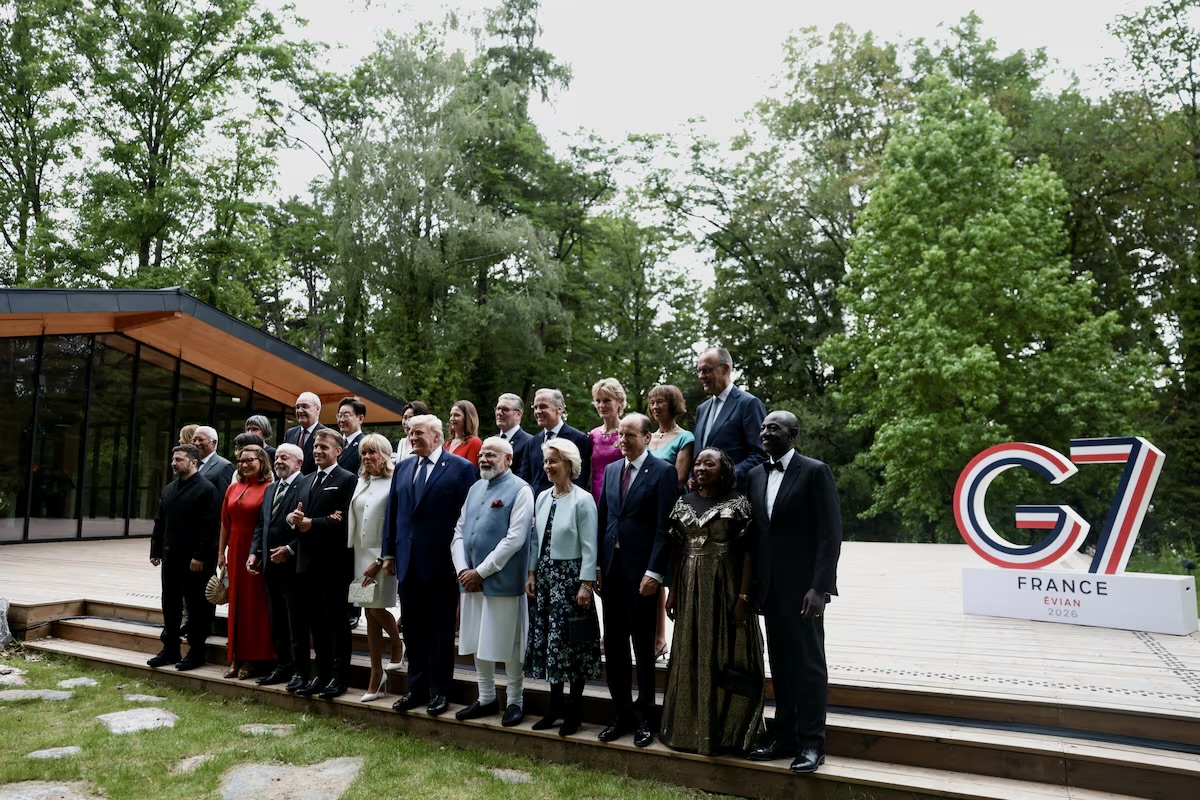
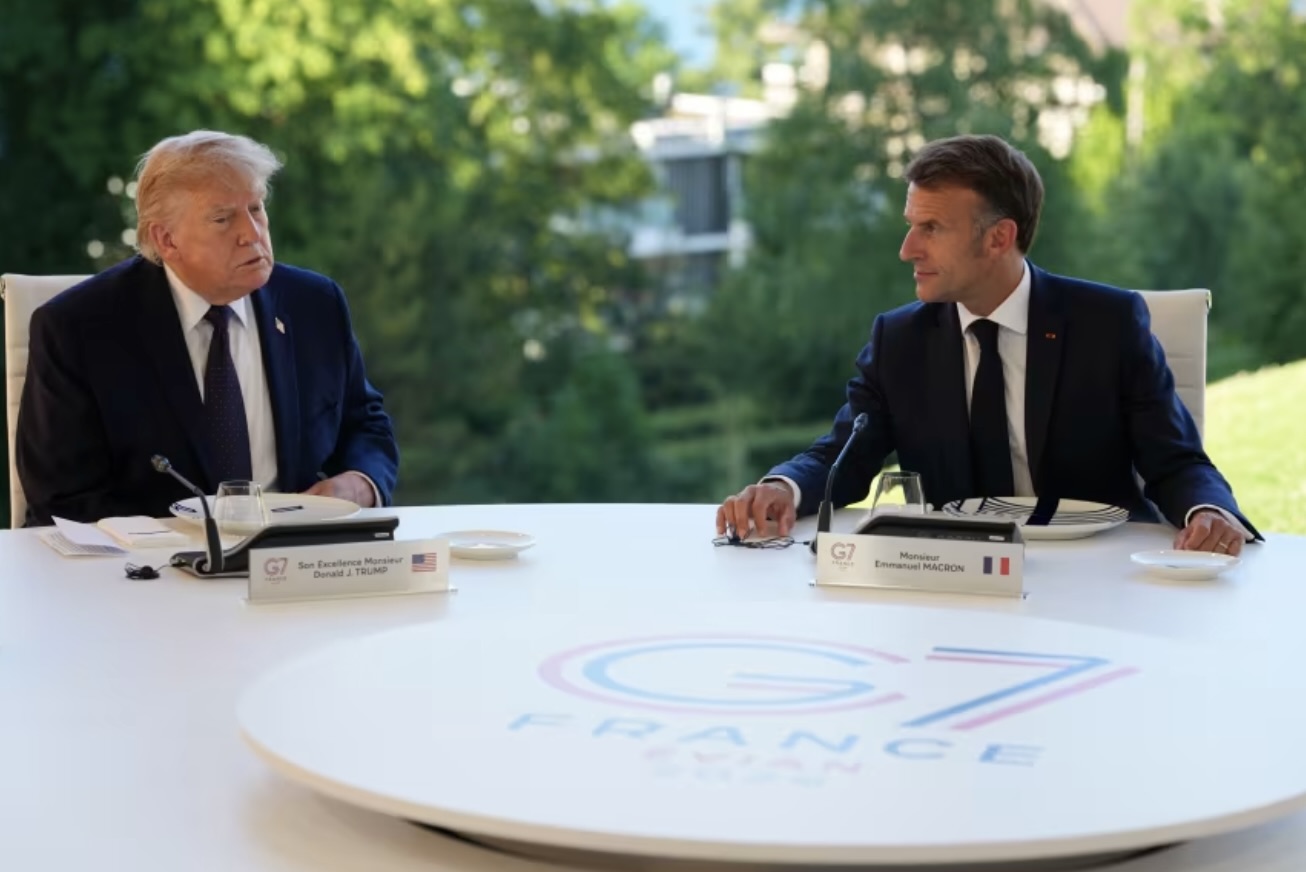
While President Trump at the G7 summit in France calls the agreement an “epochal breakthrough,” the domestic political situation in the US is heating up. Republican “hawks” are demanding to see the text, fearing that the administration has made too many concessions to end the war. Democrats, for their part, are stepping up their criticism.
‘Political document’ instead of clear commitments
According to officials, the text of the memorandum, which Vice President JD Vance described as an “extremely general document” of one and a half pages, is deliberately vague. Its main purpose is to create a favorable environment for subsequent technical negotiations.
“People shouldn’t read too much between the lines of the memorandum,” one official told CNN, calling the agreement a “political document.” “Much more important than the document itself is that we understand each other.”
The CNN interlocutor explained the essence of the document: “Essentially, it says that we will lift sanctions, conclude a nuclear deal, and unfreeze funds. But sanctions will be lifted gradually, as progress is made, and funds will be unfrozen only after mechanisms are agreed upon.”
The nuclear issue: ‘unwritten’ promises from Tehran
The most acute criticism is caused by the absence in the document of specific commitments from Iran regarding its stockpiles of highly enriched uranium. Instead, the memorandum contains a general formulation that Iran “confirms that it will never produce nuclear weapons” — a commitment Tehran already made in the 2015 nuclear deal.
However, US officials claim that Iran, through “back channels,” assured Washington of its readiness to make concessions, including US participation in the on-site destruction of enriched materials in coordination with the IAEA. According to officials, this information is not directly stated in the memorandum.
Iran’s financial benefits spelled out clearly
Unlike nuclear issues, the financial aspects of the agreement are set out more concretely. The document provides for Iran’s access to a $300 billion development fund. Trump and Vance have repeatedly stressed that these funds will not be financed with US money.
The agreement also allows Iran to immediately begin selling oil and petrochemical products after signing, and the US undertakes to issue the appropriate sanctions waivers.
Less clear is the situation with the unfreezing of Iranian assets — the document merely states that they will be released and become “fully available” as progress is made in negotiations.
Secrecy and political consequences
The delay in publishing the text has caused confusion even among the G7 leaders gathered in France. According to CNN, after a dinner attended by world leaders, some of them left the meeting without having received clarity on the details of the agreement.
Trump himself initially said the text would be published “most likely after Friday,” but his officials are pushing for an earlier release of the document in the spirit of “transparency.”
The situation is compounded by confusion over signatures: one senior official claims that Iran’s side was signed by Parliament Speaker Mohammad-Bagher Ghalibaf, while Supreme Leader Mojtaba Khamenei, according to the official, “simply does not sign such agreements.”
The administration faces a dilemma: on the one hand, it needs to demonstrate a breakthrough in negotiations; on the other, it must justify to the domestic audience a document that its own officials call “vague” and “political.”