WASHINGTON (Realist English). President Donald Trump has resumed military action against Iran, breaking a fragile ceasefire that lasted less than a month.
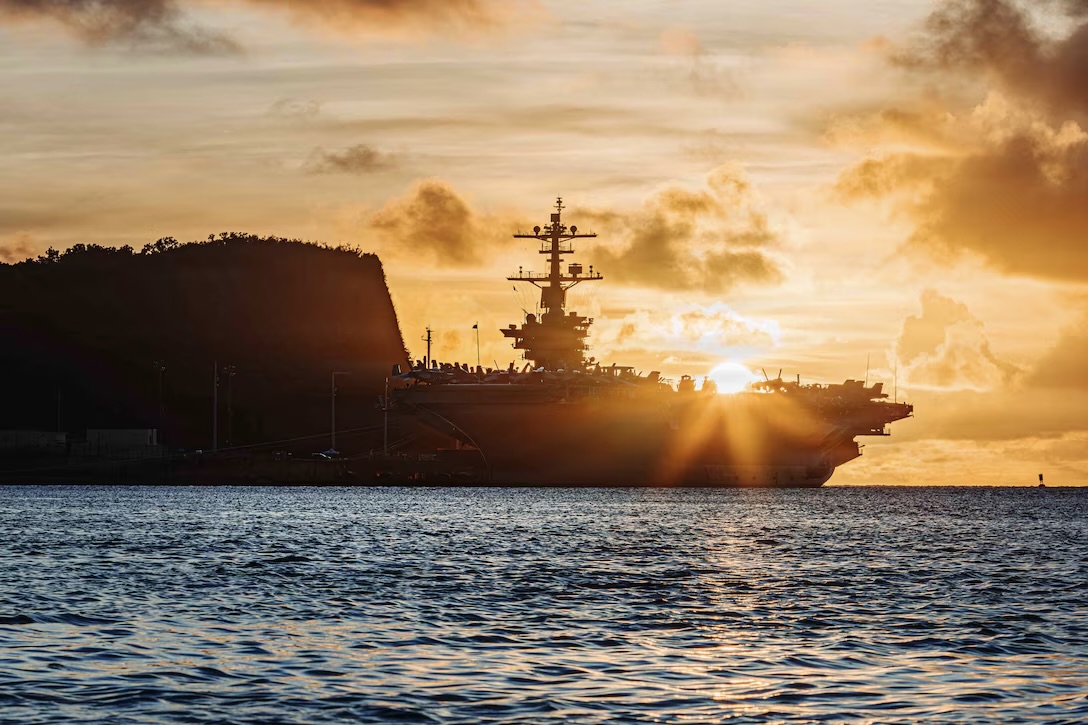
A fourth night of US airstrikes on Iranian targets and the reimposition of a naval blockade of the Strait of Hormuz signaled that Washington has no intention of ceding control over the strategic waterway.
However, as analysts note, this war has no clear path to victory, and Tehran continues to dictate the terms of the game, using geography and tactical flexibility.
Resumption of Conflict: Memorandum Shattered
On July 14, Trump formally notified Congress of the resumption of hostilities against Iran. In a post on Truth Social, he announced the restoration of a naval blockade of all Iranian ports.
“The Strait of Hormuz is open to all ships except Iran. The blockade will continue,” the president said. Just hours after this statement, US Central Command (CENTCOM) completed a seven-hour series of strikes on dozens of Iranian military targets.
The collapse of the ceasefire came amid mutual recriminations. Trump claimed a deal had been “reached” but that Iran had violated it. However, as CNN notes, the irony is that the US president, accusing Tehran of unreliability, himself has a habit of withdrawing from numerous international agreements. The memorandum of understanding signed in June proved too vague, with each side interpreting it differently.
New US Strikes: Scale and Targets
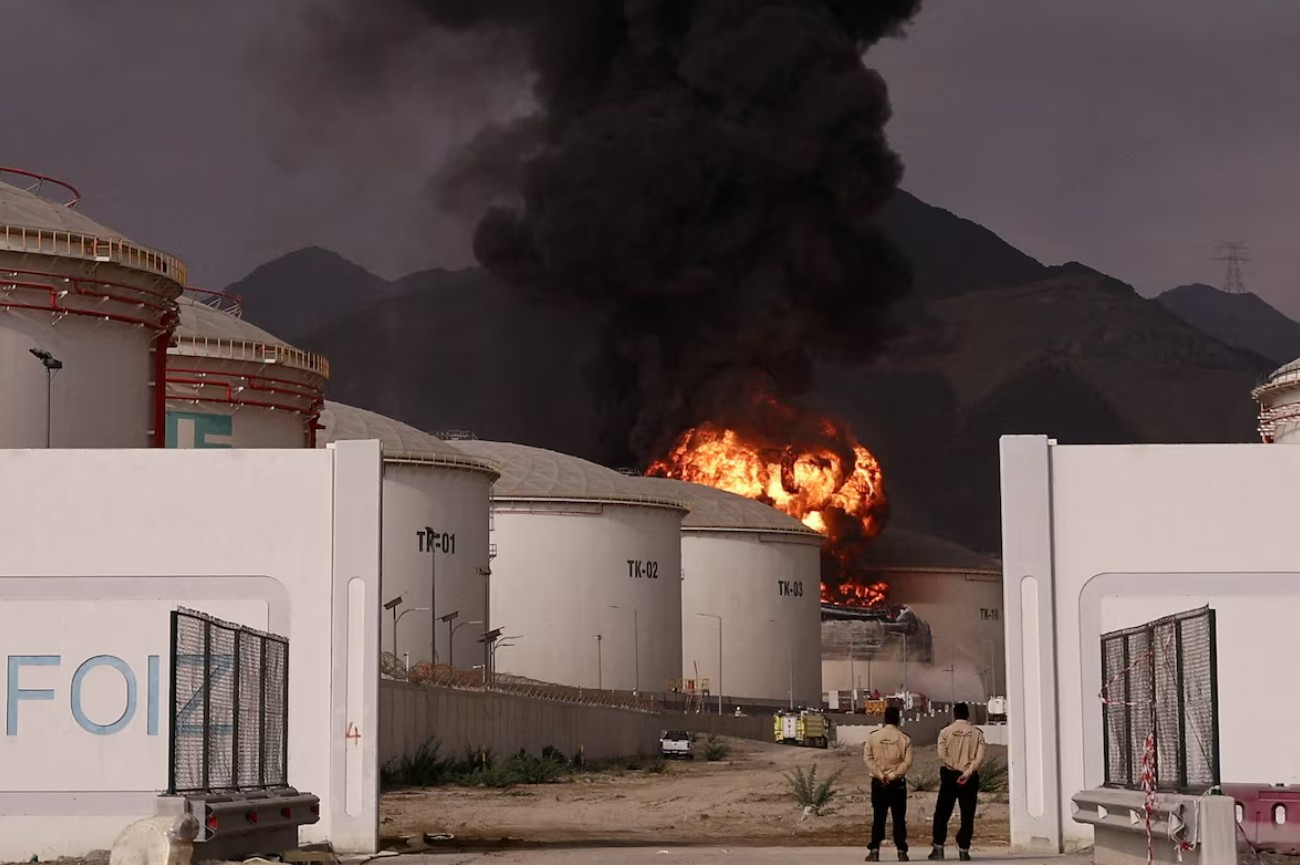
US forces carried out a series of strikes on Iranian targets in the port cities of Bandar Abbas, Bushehr, Jask, Konarak, and Chabahar, as well as the islands of Abu Musa and Kish. Targets included “coastal defense systems, missile and drone sites, and naval facilities.”
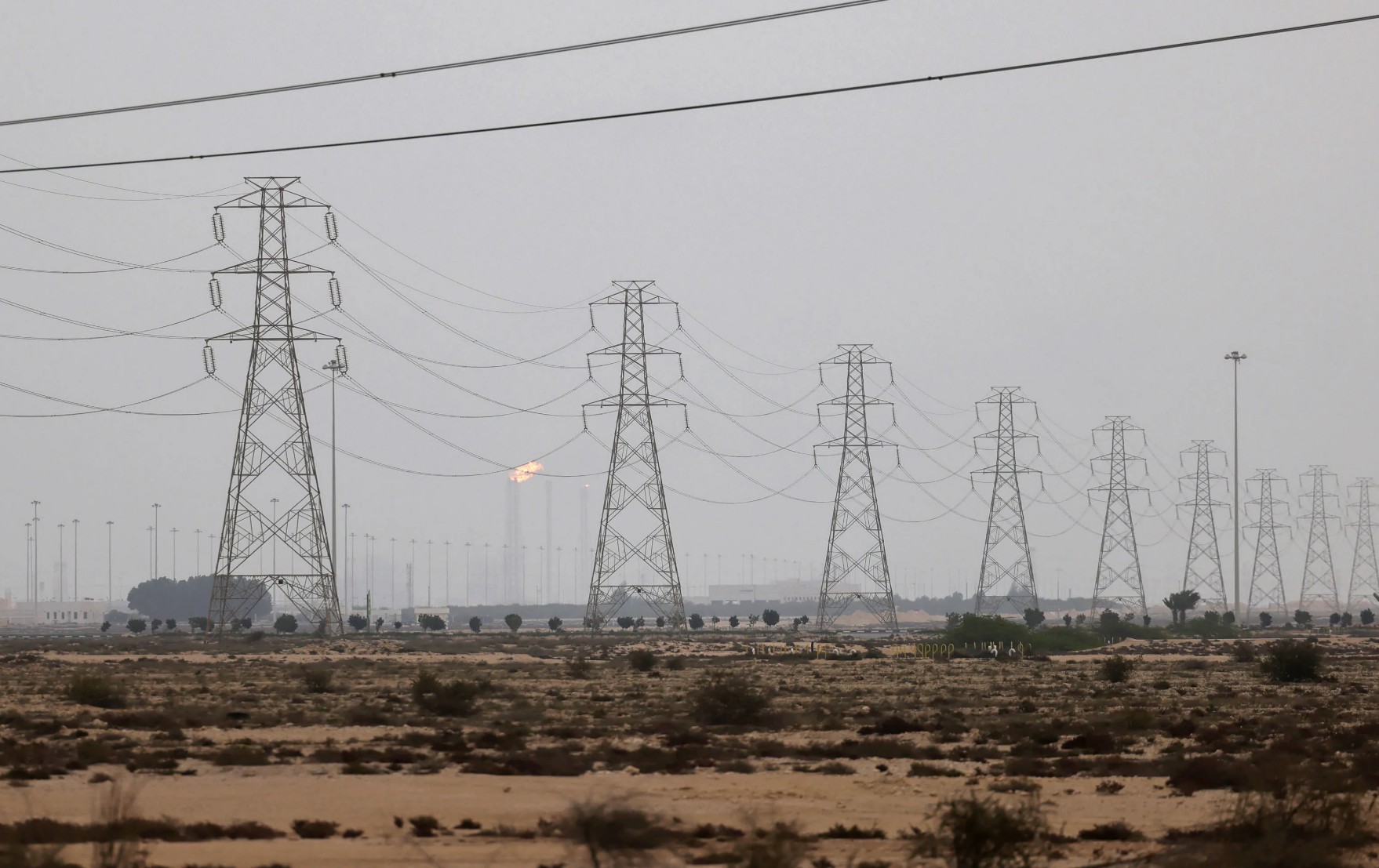
Trump confirmed that strikes would continue and warned of a possible expansion of the campaign. “We will hit them very hard tonight, tomorrow, and the day after,” the president said. He also threatened to destroy Iranian power plants and bridges next week if Tehran does not return to the negotiating table.
According to Axios, citing sources, the Trump administration is discussing the possibility of a “large-scale offensive in Iran that would be broader in scope than the current strikes around the Strait of Hormuz.” The president, according to the report, is ready to escalate the war in order to inflict sufficient damage on Iran and force the regime to open the strait and accept US nuclear demands.
Iran’s Response: Strikes on US Allies
Tehran responded in kind. The Islamic Revolutionary Guard Corps (IRGC) carried out missile and drone strikes on US military facilities in Kuwait, Jordan, and Bahrain.
In Kuwait, the main US logistics center at Mina Abdullah was hit. In Jordan, strikes targeted Al-Azraq Air Base, which hosts F-18, F-15, F-16, and F-35 fighter jets, as well as MQ-9 drones. In Bahrain, command centers and fuel depots of the US Fifth Fleet were attacked.
In addition, Iranian forces attacked two UAE-flagged tankers in the Strait of Hormuz, killing one sailor and wounding eight others. The UAE threatened retaliatory action, which could draw another regional player into the conflict.
Iran also confirmed that the Strait of Hormuz remains “closed until US hostile actions cease.” The IRGC warned that any cooperation with the US would be considered an act of war against Iran.
The Strait: Shipping on the Brink of Collapse
The Strait of Hormuz, through which a fifth of the world’s oil and gas passes in peacetime, has become the epicenter of the conflict.
According to shipping analytics firm Kpler, only 11 vessels transited the strait on July 14, nine of which were on Iranian routes. Before the war, daily traffic exceeded 130 ships.
Meanwhile, Trump claimed in a Fox News interview that there are “more efficient alternatives” to the Strait of Hormuz for oil supplies, citing pipelines under construction as well as routes through Texas and Alaska.
180-Degree Turn: Tariffs Cancelled
One of the most telling episodes was Trump’s rapid reversal on the issue of charging for passage through the strait.
On July 13, the president announced that the US would impose a 20% levy on all cargo passing through the Strait of Hormuz to compensate for security costs. However, within 24 hours he reversed the decision, stating that instead of tariffs he would conclude “trade and investment deals” with Gulf allies.
This reversal, according to the BBC, demonstrates that the president is “looking for unconventional ways out of a difficult situation” in the protracted war.
At the same time, Trump’s plan directly contradicted statements by his own Secretary of State Marco Rubio, who just a month earlier had asserted that “no country has the right to impose fees or tariffs in international waters.”
Strategic Deadlock: War Without Victory
Analysts agree that despite US military superiority, Trump has found himself in a strategic deadlock. As CNN notes, Tehran uses geography and tactical flexibility to outplay its more powerful adversary.
Iran maintains effective control over the strait, and as The Economist notes, even if coastal launchers are destroyed, the country can continue attacks from inland positions.
The Financial Times warns that the resumption of military aggression against Iran increases the likelihood that the Middle East conflict will undermine Trump’s second presidential term. As Rosemary Kelanic, director of the Middle East program at Defense Priorities, noted: “This has turned into a war of attrition, and wars of attrition tend to last a very long time.”
According to The Independent, Trump has already declared victory over Iran 32 times but has yet to present convincing evidence of military or political success. While the administration debates expanding strikes and Iran continues to attack commercial shipping, the question of how to end this conflict remains unanswered.