WASHINGTON (Realist English). At the end of July 2026, US President Donald Trump performed an unusual manoeuvre to evade a real threat to his life.
As he was leaving the NATO summit in Turkey, he secretly and hurriedly left Air Force One via a catering van lift, boarded another aircraft and flew to the United Kingdom, leaving journalists and some administration staff on the old airliner as “live bait.”
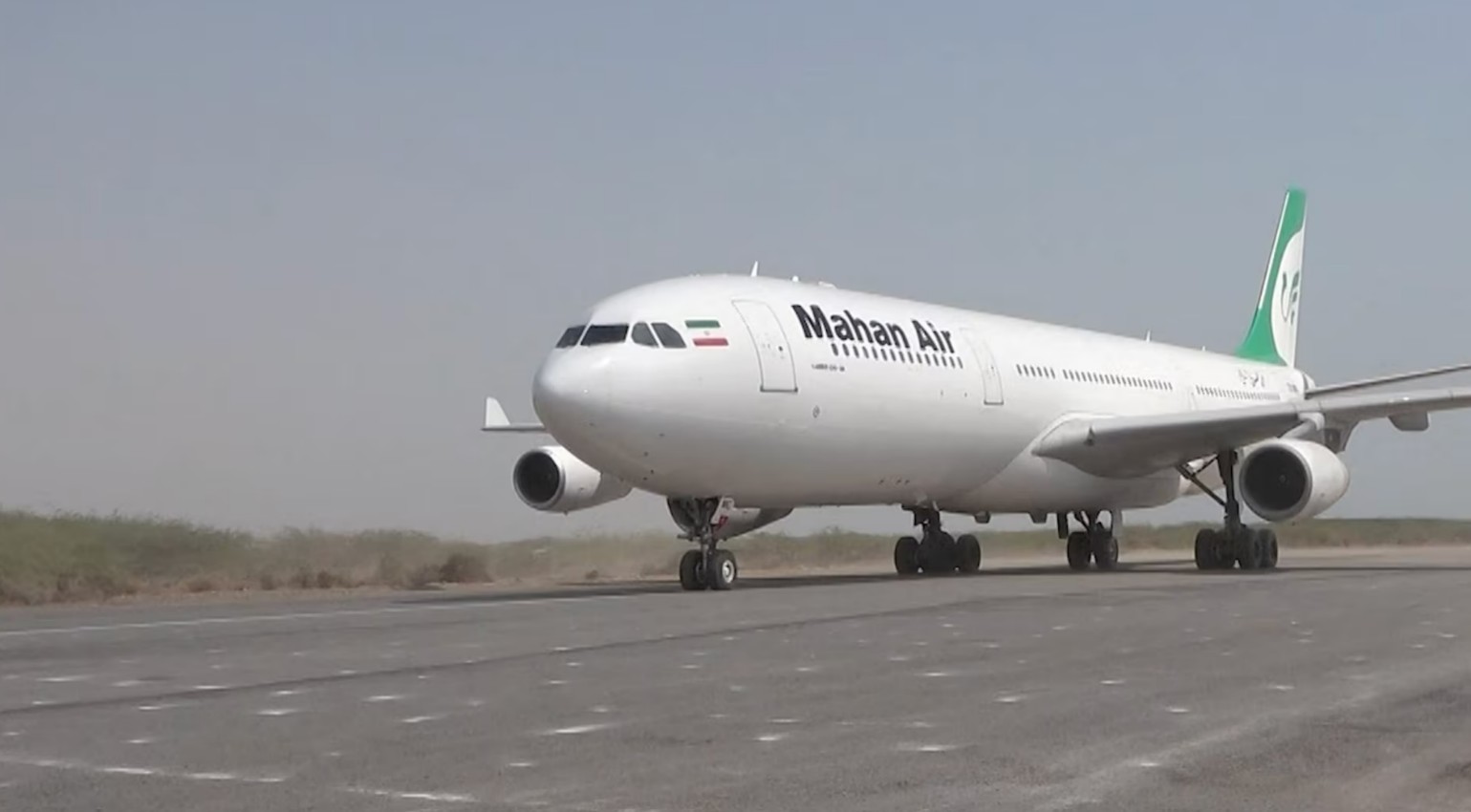
The operation was a response to Israeli intelligence about a specific Iranian threat to shoot down the presidential aircraft with a man‑portable air‑defence system (MANPADS).
Timeline: from the Turkish summit to a secret flight
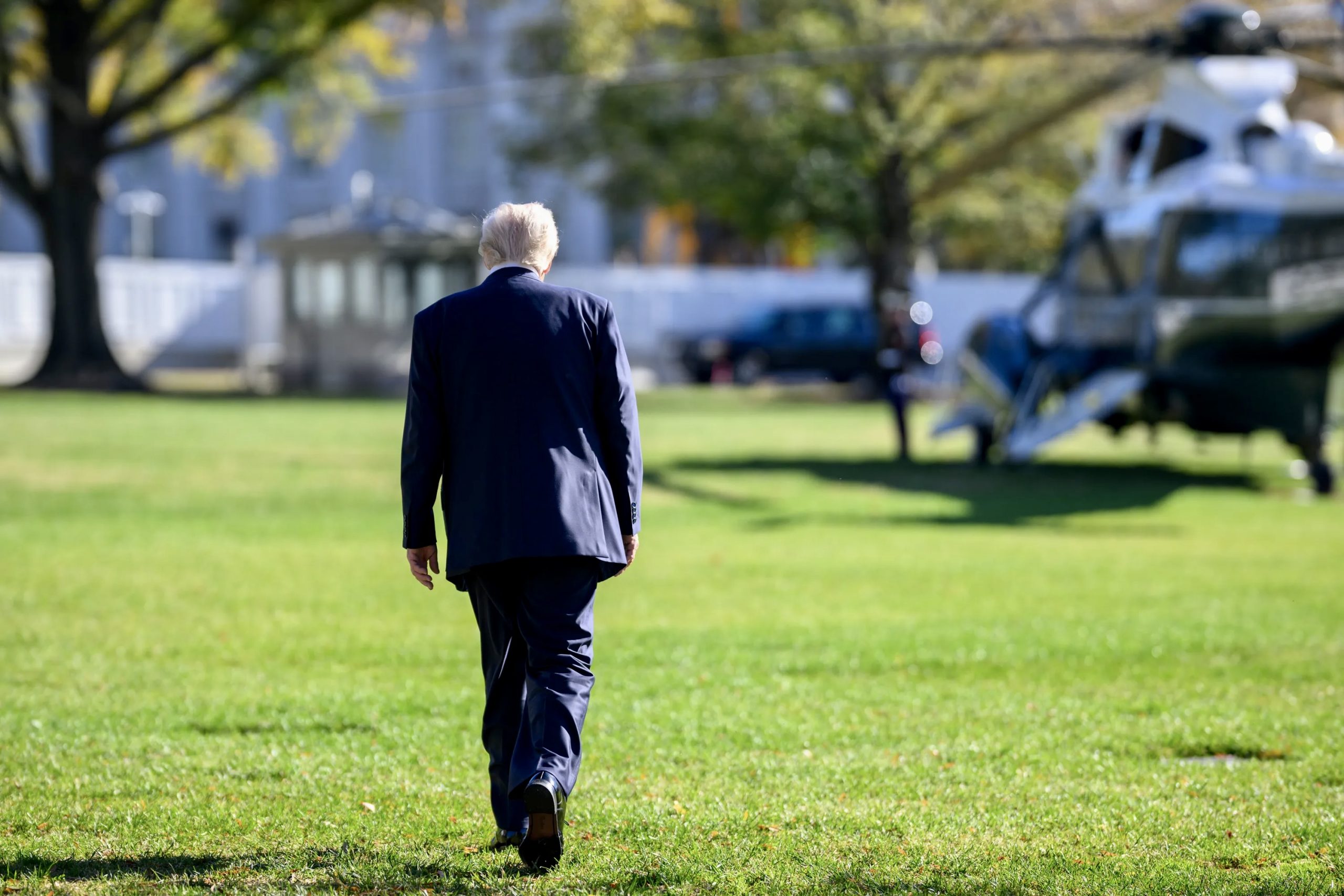
On the evening of 8 July 2026, Trump, in front of TV cameras, boarded the old white‑and‑blue Air Force One at Ankara airport, waving goodbye. However, minutes later, he quietly left the aircraft via the catering van lift on the opposite side of the plane. The van took him to a waiting C‑32A military aircraft (a modified Boeing 757, normally used by the Vice President), which set course for the United Kingdom.
The plane with his entourage and journalists (call sign “AF1”) continued its flight according to the official plan, while those on board were strongly advised not to open their window shades. Secretary of State Marco Rubio also remained on the “decoy plane.”
When journalists asked Trump why the cabin lights were being dimmed, the president replied: “Because you’re probably on a dangerous flight because of those bastards we have to deal with,” adding: “But if I die, you’ll die too, right?”
Cause: a ‘credible threat’ of a missile strike from Iran
The secret operation was triggered by a specific warning: the US had received intelligence from Israel that Iran was planning to use a MANPADS to attack the presidential aircraft. According to CBS News, the threat was considered “credible.”
The operation took place amid a sharp escalation in the conflict: the day before, following the collapse of negotiations, the US had resumed military strikes on Iran. Amid the tensions, Trump had publicly stated that he was Iran’s “number one target.” Another factor was technical problems with the new Air Force One, gifted by Qatar: according to media reports, it lacked some of the protection systems that were on the older aircraft. This is why the president publicly announced that he would leave Turkey on the “old plane for old times’ sake” – which became part of the cover story.
The ethical dilemma: journalists as ‘live bait’
The disclosure of the operation’s details sparked an ethical scandal. The journalists and White House staff on board Air Force One were unaware that the president had left the aircraft and had effectively become “live bait.”
Prominent Democratic strategist David Axelrod told CNN: “If they felt it was unsafe to be on that plane, then it was unsafe for everyone else.” Former State Department adviser Ned Price wrote on social media platform X: “Misleading reporters in the moment and, worse, continuing to lie to the American people weeks later is unacceptable.”
Authorities, for their part, stated that the precautions were justified and that the plane carrying the journalists was also protected.
The incident reveals the president’s personal vulnerability in the midst of the war with Iran. Trump later confirmed the switch but noted that such decisions are made not by him, but by the Secret Service and the military.
Nevertheless, the image of the head of state hiding in a catering van from an Iranian threat contrasts with his public persona of a leader projecting military strength.
The organisation of such a complex, multi‑stage operation, which concealed the president’s real location for several hours, indicates the high level of concern over Iranian capabilities. The conflict continues, and the risks to the country’s top leadership, it seems, remain extremely high.