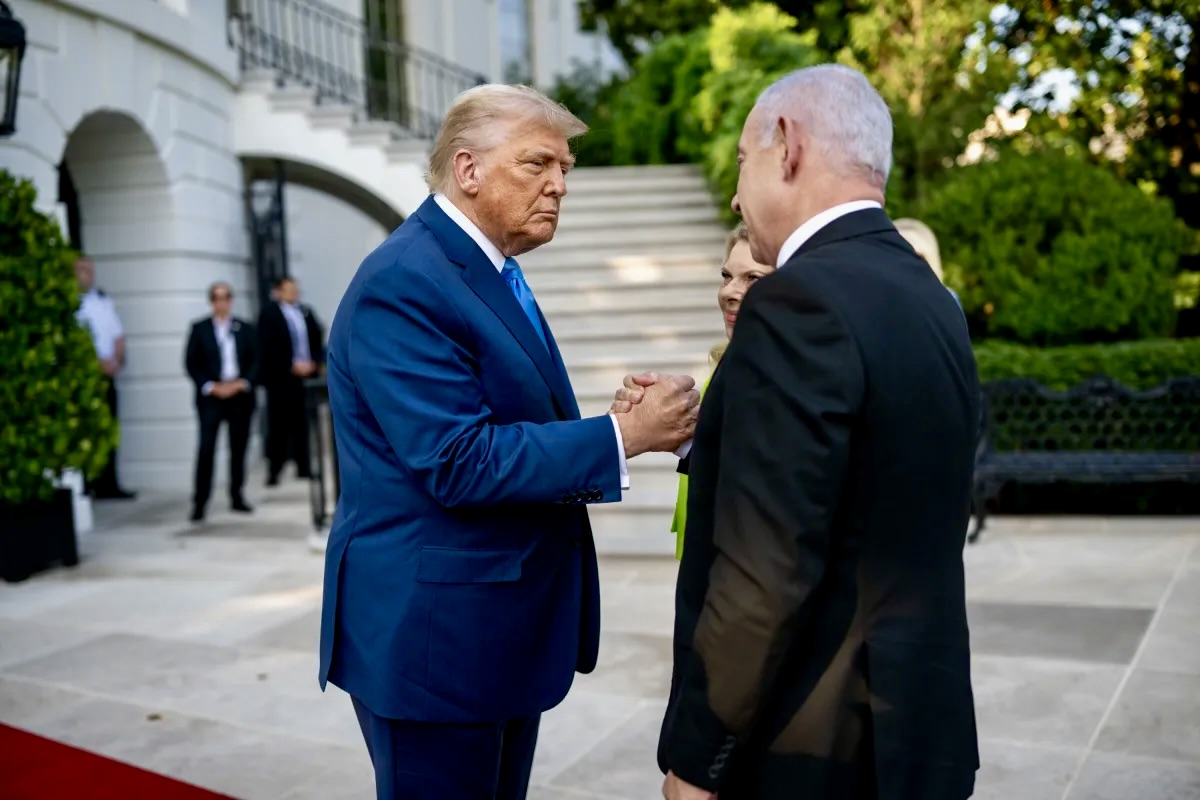
WASHINGTON (Realist English). On July 28, Israeli Prime Minister Benjamin Netanyahu will meet with US President Donald Trump at the White House.
The formal occasion is the funeral of Senator Lindsey Graham, but behind the scenes, diplomats expect not so much a “red carpet” and warm handshakes as a tense dialogue between two leaders whose interests on Iran and regional security have diverged to a critical point.
According to CNN, this will be the eighth meeting since Trump’s return to the White House, but unlike previous visits, it may not go according to the usual script.
From “Allies” to “Crazy”: How Relations Soured
When the leaders met in February 2026, they were laying the groundwork for a joint military campaign against Iran. Five months later, the war has dragged on, goals remain unachieved, and disagreements between Washington and Jerusalem have become apparent.
According to CNN, Trump is insisting on a diplomatic settlement, while Netanyahu is pushing for continued military pressure on Tehran. The US president, who was convinced the conflict would be “limited” and last “a few weeks,” is now, according to sources, “furious” about the protracted and deadly war.
In June, during a phone call, Trump called Netanyahu “crazy” and said: “Without me there would be no Israel.” Frustration is growing in the White House: some officials believe Netanyahu tried to “force” the meeting through media leaks.
Iran: The Main Contradiction
The main agenda item is Iran. However, the positions of the two sides are diametrically opposed:
- Netanyahu intends to convince Trump of the need to continue the military campaign, citing fresh intelligence on Iran’s nuclear recovery. His goal is the complete elimination of Iran’s nuclear and missile threat.
- Trump, according to sources, wants a diplomatic agreement that would lower oil prices and avoid political fallout for Republicans in the November midterm elections. The president, as Axios notes, has “little interest in resuming full-scale hostilities, at least until the US elections.”
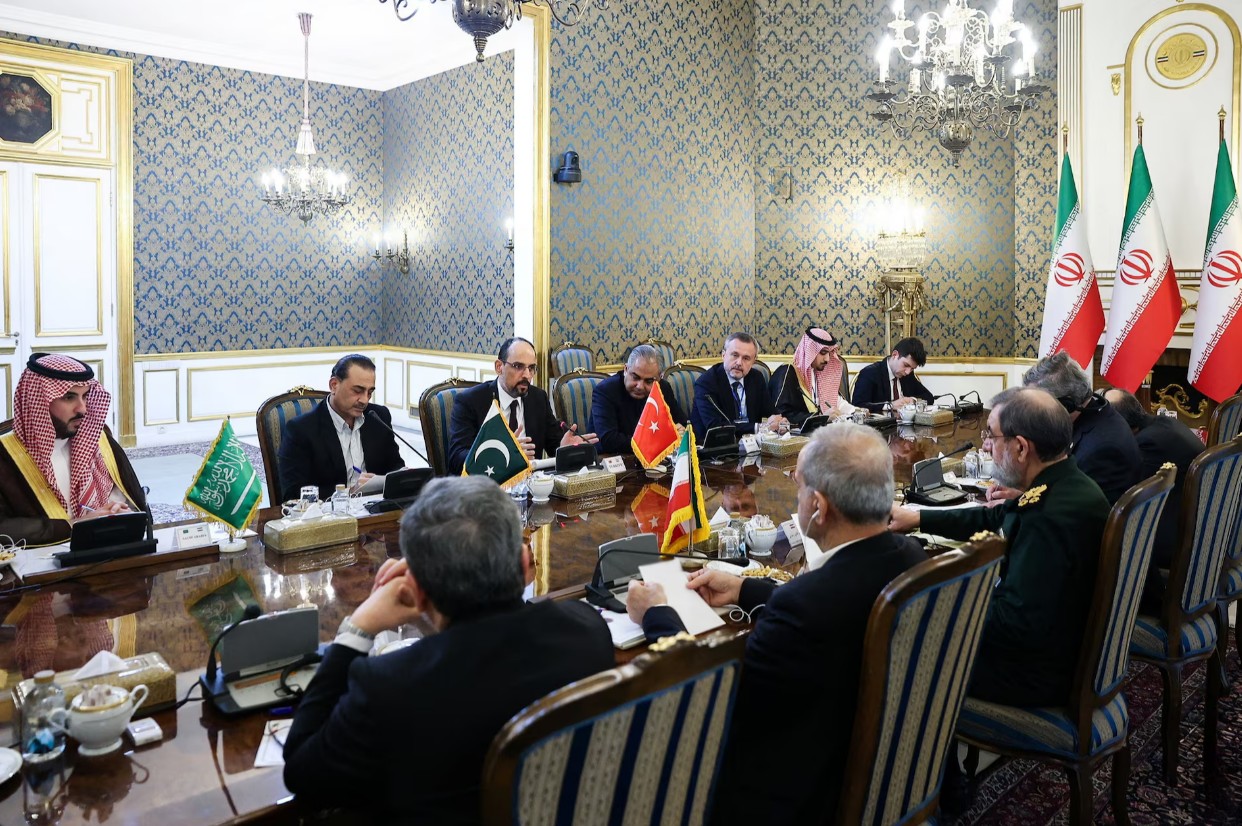
In addition, Trump has made a number of decisions contrary to Israel’s interests: he signed a memorandum of understanding with Iran (which Netanyahu was not consulted on), approved a nuclear deal with Saudi Arabia, and signalled readiness to sell F-35 fighter jets to Turkey.
Why the Meeting May Not Go According to Script
Several factors make this meeting unusual:
1. Netanyahu had been seeking the meeting for months, but Trump resisted. The invitation only came thanks to Graham’s funeral, placing the Israeli prime minister in the position of a supplicant.
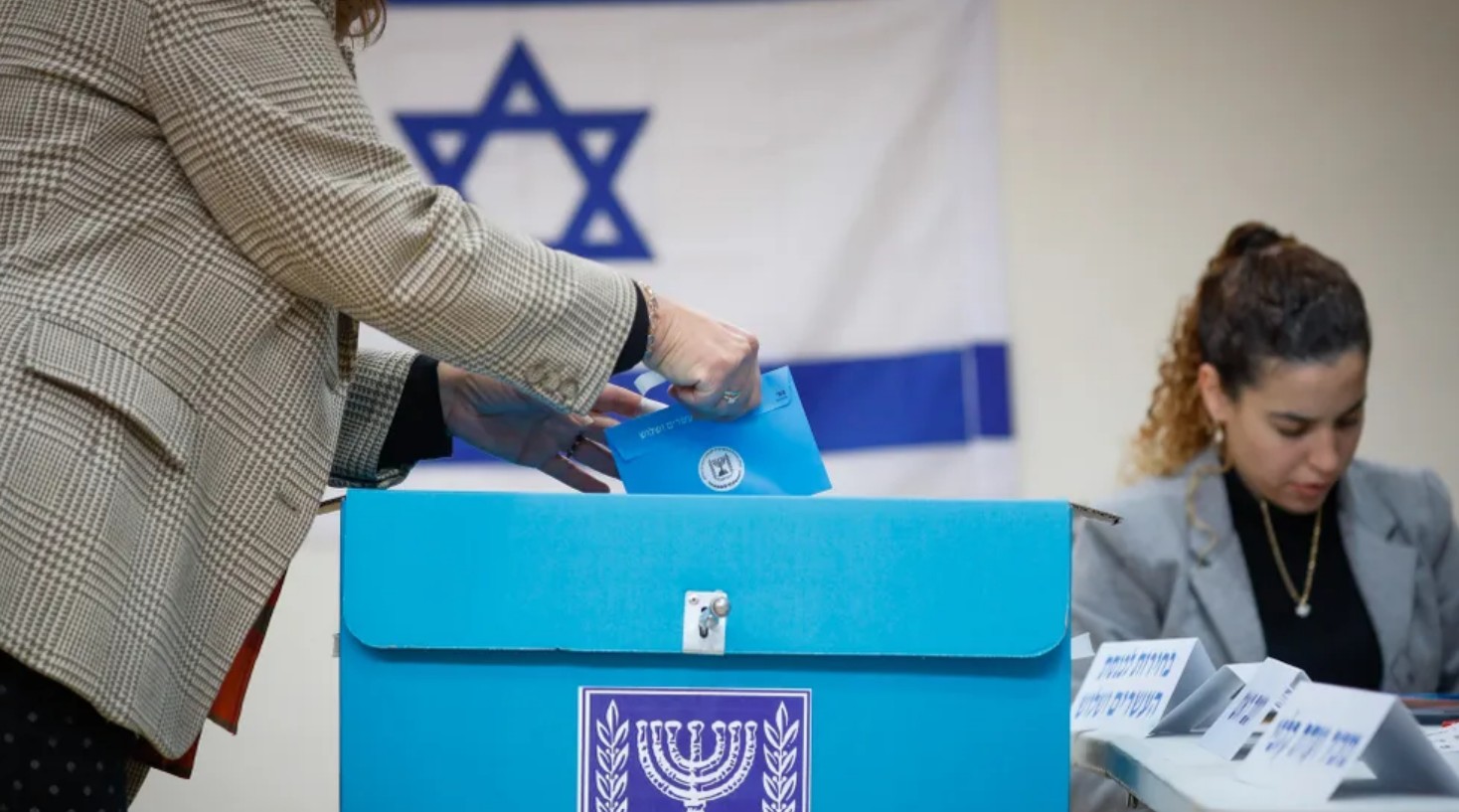
2. Both leaders are weak domestically. Netanyahu trails in polls ahead of the October 27 elections. Trump faces declining support among the MAGA base due to the protracted war. As CNN notes, their interests on Iran diverge: each is thinking about their own elections.
3. Netanyahu has lost influence over Trump. The Israeli prime minister was not consulted on key decisions, and his public attacks against the Iran memorandum provoked a backlash. Vice President JD Vance publicly accused Israeli officials of trying to derail the talks.
4. The meeting format is not the main event. The primary purpose of the visit is Graham’s funeral, with the Trump meeting secondary. This deprives Netanyahu of political capital he could have used to demonstrate “special relations.”
According to analysts, Netanyahu is unlikely to be able to persuade Trump. His most realistic goal is to secure private security arrangements that he can present to Israeli voters. However, a meeting that was traditionally supposed to demonstrate a close alliance now risks exposing deep divisions between the two leaders.
As CNN notes: “The meeting will likely show that even traditionally strong allies can disagree — let alone how close their interests actually are.”