NEW DELHI (Realist English). A satirical movement that began as a social media joke has turned into one of the most serious political threats to Indian Prime Minister Narendra Modi in his 12 years in power.
The Cockroach Janta Party (CJP) – a youth movement born after the Chief Justice of India compared unemployed young people to “cockroaches” – has achieved a rare victory over the government.
As prominent South Asia analyst Michael Kugelman writes in his column for Foreign Policy, the CJP movement “forced the government to make concessions” and became “one of the few instances where the Modi government has yielded to a domestic opponent.”
How the ‘cockroaches’ took to the streets
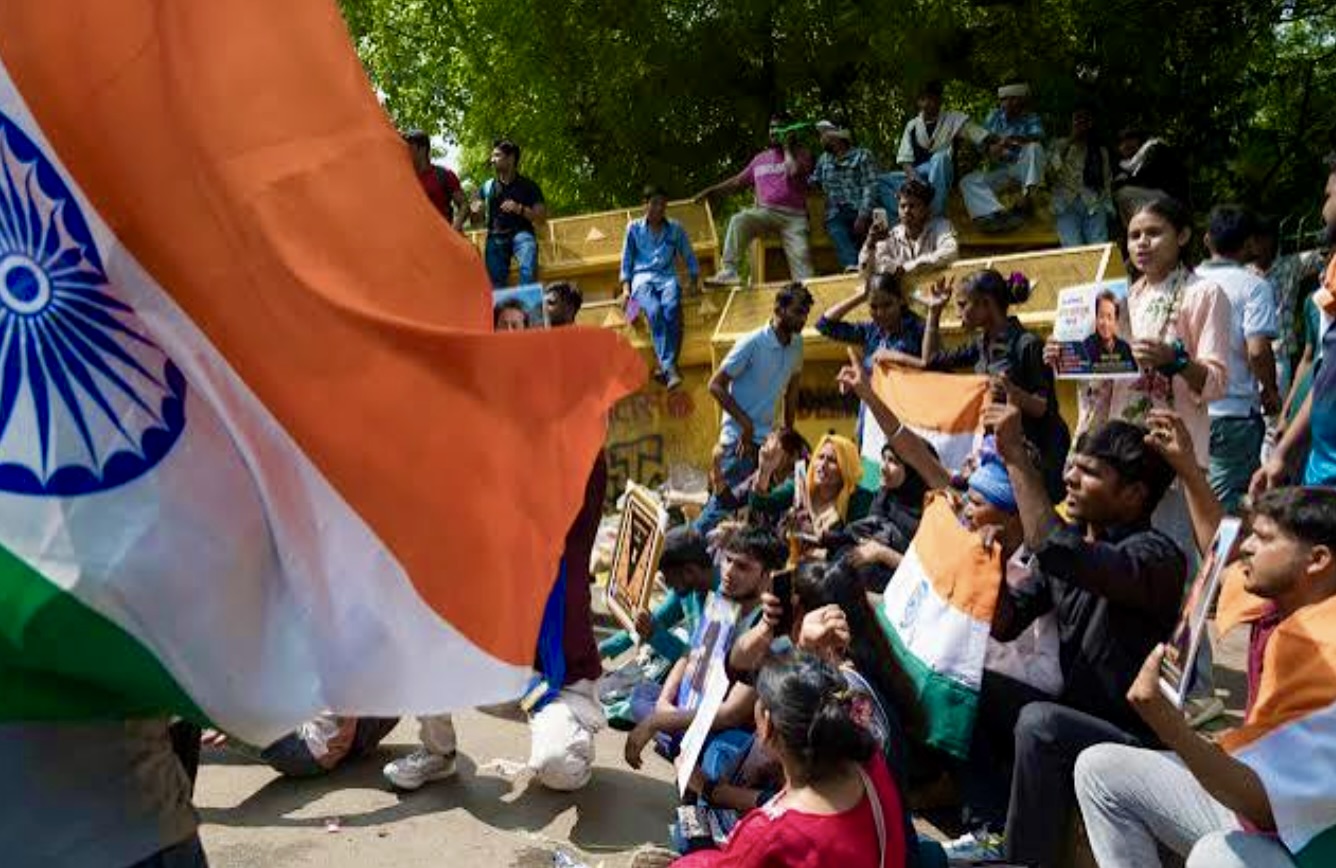
It all started in May 2026. Chief Justice of India Surya Kant, during a hearing, compared unemployed youth to “cockroaches.” Young Indians not only took no offence but turned the insult into a brand. Thus was born the Cockroach Janta Party – a satirical movement that amassed more than 23 million followers on Instagram within months.
The trigger for mass protests was a leak of exam materials. In May 2026, the answers to medical entrance exams were made public, jeopardising the future of about 2 million students.
“What began as a judicial slip became a shared identity for many young Indians who felt the country’s institutions had long treated them with contempt,” writes The Daily Star.
Victory over the education minister
The culmination of the protests was the resignation of Education Minister Dharmendra Pradhan on 25 July 2026. This was a key demand of the protesters.
Kugelman stresses that Pradhan’s resignation is a “stronger blow” to Modi than it might appear. “Pradhan is an influential figure, very close to the prime minister. The government prides itself on stability, and its cabinet ministers have largely remained unchanged since 2018. Pradhan’s departure breaks that trend.”
The movement also forced the government to make concessions for the first time since the massive farmers’ protests of 2020–2021, when New Delhi withdrew its agricultural reforms.
Losing the digital war
Particularly significant, according to Kugelman, is that the “cockroaches” beat the BJP on its own turf – the internet.
“The Cockroach Janta Party movement, which began satirically, became an internet giant, gathering millions of followers and gaining widespread support through memes,” the analyst writes. This is especially telling because “Modi and the BJP dominated the internet, and that helped the party win the decisive youth vote when it came to power in 2014.”
The movement, according to Kugelman, “damaged the Modi government” – and did so just weeks after the BJP won a series of state elections.
The ‘teflon’ PM’s image under threat
Modi is known as a “teflon” leader who “does not do U‑turns and does not admit mistakes.” That image, in Kugelman’s view, has been dented.
“The cockroach movement exposed the level of rage that many young people feel toward a leader and a party that counted on their high popularity to win three national elections in a row. The protesters’ rhetoric was angry and sometimes foul‑mouthed,” the analyst notes.
Kugelman calls Modi a “teflon” politician but concedes that this time “the teflon has cracked.” “This has perhaps left Modi more politically vulnerable than ever before.”
The ‘cockroach effect’: copycat movements
The CJP protests have already spawned imitators. A new group called E20 Janta Party is opposing ethanol‑blended fuel and demanding the resignation of Transport Minister Nitin Gadkari. Farmers have also launched fresh protests against a proposed US‑India trade agreement.
Kugelman notes that “the Cockroach protest campaign is likely to have an energising effect on other civil society movements in India.”
What’s next? Uttar Pradesh elections
The key moment, according to the analyst, will come early next year when Uttar Pradesh – India’s most populous state and the biggest electoral prize – goes to the polls.
“If the Cockroach Janta Party’s impact is strong enough to hurt the BJP in critical state elections, it will cause serious concern in New Delhi,” Kugelman warns.
He also does not rule out that, in a worst‑case scenario, one of Modi’s key coalition partners could leave the government if it deems the administration too vulnerable. However, he concludes, “ultimately that is unlikely – Modi is famously resilient.”
The youth “cockroach” movement has become the first serious challenge to Modi in his third term. It not only achieved concrete political concessions but also undermined the image of the “unbending” prime minister, exposing the vulnerability of his digital dominance. Whether the “cockroaches” will continue to multiply – the coming year will tell.