MOSCOW (Realist English). Yemen is counting on strengthening its strategic partnership with Russia as Moscow returns to the country’s diplomatic space.
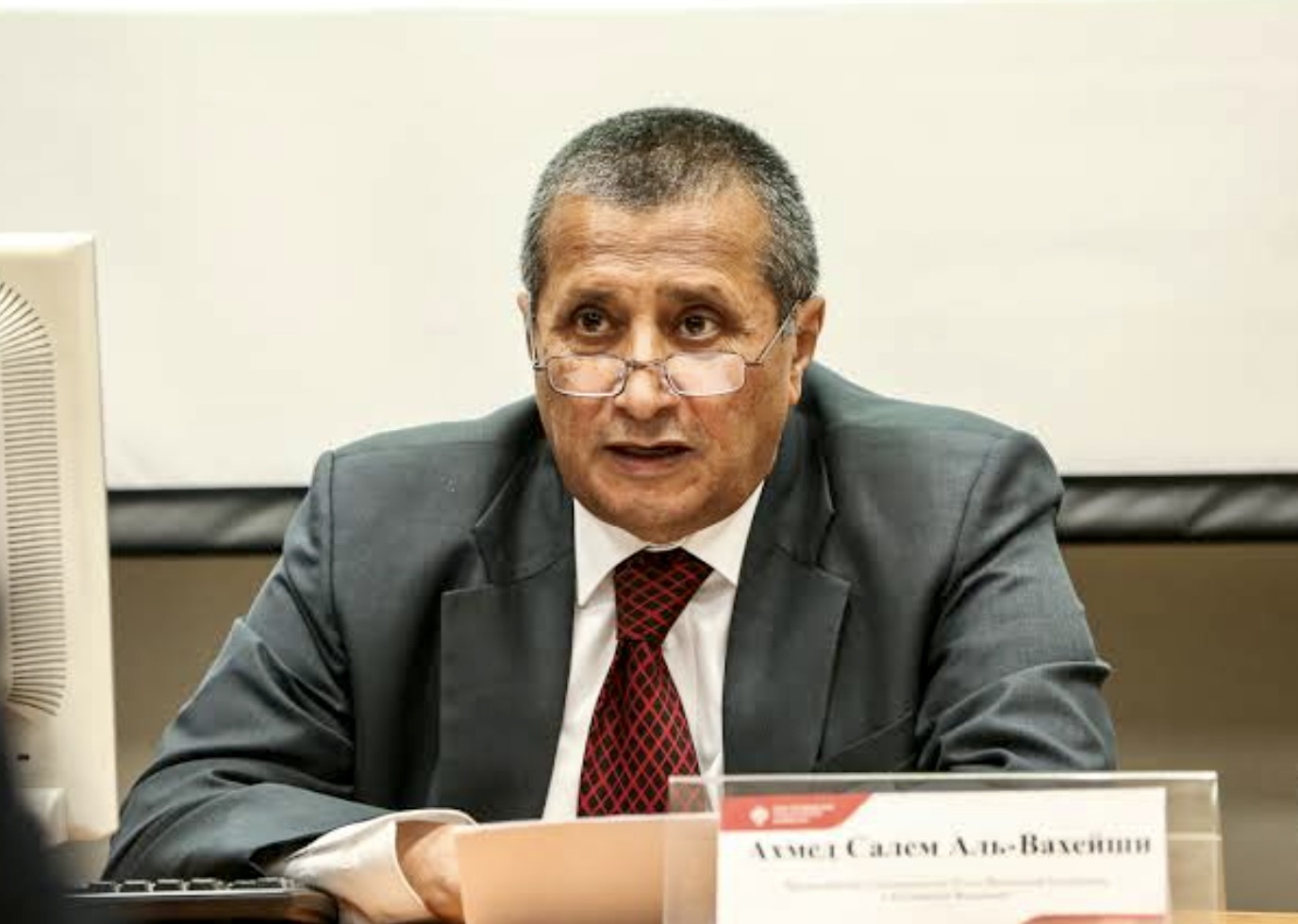
Yemen’s Ambassador to Russia, Dr. Ahmed Salem Al-Wahishi, expressed deep gratitude to the Russian Foreign Ministry for its decision to reopen the Russian embassy headquarters in Aden – the country’s temporary capital.
“This decision by Russia reflects Moscow’s position of supporting Yemen and its legitimate government,” the diplomat stated.
According to him, the return of Russian diplomats to Aden will enable Yemen to confront political and economic problems as well as security challenges, including the fight against terrorism in the Horn of Africa and the Red Sea basin.
Return of the embassy: a diplomatic signal
Russia began preparations for opening its embassy in Aden back in June 2026. Yemen’s Prime Minister and Minister of Foreign Affairs, Shaya al-Zindani, discussed the matter with Russian Ambassador to Yemen Evgeny Kudrov, emphasising the importance of expanding cooperation and developing diplomatic communication between the two countries.
Aden Governor Abdulrahman Sheikh also met with the Russian ambassador to discuss prospects for bilateral cooperation and ways to strengthen ties.
The Yemeni side assured that it would provide all necessary support for the successful operation of the diplomatic mission.
Diplomatic relations between Russia and Yemen were established in 1928. In 2028, the two countries will celebrate the centenary of bilateral ties.
“Relations between our countries have a long history and have always been friendly,” President Vladimir Putin stressed in May 2025 during a meeting with the Chairman of Yemen’s Presidential Leadership Council, Rashad al-Alimi.
Call to combat terrorism
Ambassador Al-Wahishi emphasised the need to bring to account all parties that support and finance terrorist groups destabilising the Yemeni Republic – primarily the Houthis.
The diplomat called for coordinated efforts with the Russian side to prevent terrorist groups from using Yemeni territory to attack other countries.
“Russia has enormous potential to assist Yemen in strengthening international peace and security, in combating and eradicating terrorism,” the ambassador stated. He paid particular attention to protecting shipping in the Red Sea basin so that terrorism does not threaten global energy and trade routes passing through the Bab el-Mandeb Strait.
In June 2026, Russian Deputy Foreign Minister Alexander Alimov discussed with the ambassadors of Saudi Arabia and Yemen issues of cooperation within the UN Security Council aimed at a political settlement of the situation in Yemen.
Energy and economy: a new level of cooperation
Alongside the diplomatic return, Russia and Yemen are elevating their energy cooperation to a new level.
Russian Deputy Energy Minister Roman Marshavin held a working meeting with Ambassador Al-Wahishi, during which the parties discussed strengthening comprehensive cooperation in the fuel and energy sector and supporting companies interested in implementing projects in Yemen.
The parties are preparing for the first meeting of the Russian-Yemeni Intergovernmental Commission, scheduled for 2026. A number of documents aimed at strengthening partnership are in the final stage of coordination. Bilateral trade turnover stands at approximately $400 million.
Humanitarian dimension: education and culture
Ambassador Al-Wahishi also asked the Russian side to consider opening an official representative office of Rossotrudnichestvo (the Russian Federal Agency for the Commonwealth of Independent States Affairs, Compatriots Living Abroad, and International Humanitarian Cooperation) in Aden. During the Soviet period, a Yemeni-Soviet Friendship House operated in the city.
The diplomat noted the high interest of Yemeni youth in learning Russian, including online, and requested an increase in educational quotas for Yemeni citizens. For just over 100 state‑funded places at Russian universities, nearly 1,745 applications were submitted.
Over the past decades, Russia has helped more than 50,000 Yemenis obtain an education – future doctors, engineers, economists, many of whom now hold leading positions in various institutions in Yemen. Currently, about 1,500 Yemeni citizens are studying in Russia, 400 of them on a state‑funded basis.
A century of friendship amidst regional instability
Russia-Yemen relations, spanning nearly a century, are entering a new phase. The return of the Russian embassy to Aden, the activation of energy dialogue and humanitarian cooperation all testify to mutual interest. However, the challenges remain serious: the terrorist threat, Houthi control over a significant part of the territory, and instability in the Red Sea require coordinated efforts.
Ambassador Al-Wahishi called on the Russian side to combine efforts with the international community and the UN Security Council to combat terrorist activity that destabilises his country.
Moscow, for its part, reaffirms its support for peace negotiations and efforts to achieve security and stability in Yemen.
As Russian Deputy Prime Minister Alexander Novak noted in October 2025 during a meeting with Yemeni Vice President Aidarus al-Zoubaidi: “Russia and Yemen are bound by a strong friendship that spans almost a century. Our partnership has never been interrupted.”