TEHRAN (Realist English). On July 28, Iran carried out a missile strike on US facilities in the Middle East.
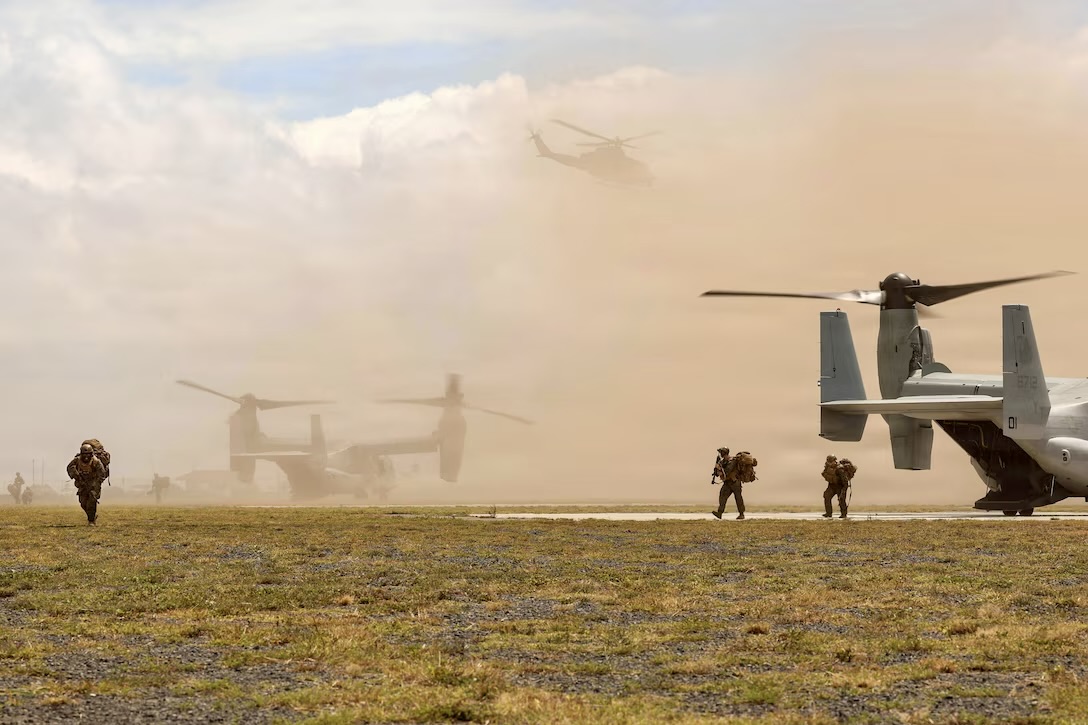
According to US Central Command (CENTCOM), the Islamic Revolutionary Guard Corps (IRGC) launched several ballistic missiles at a US military base and a CENTCOM command centre in Jordan.
The Pentagon stated that all missiles were successfully intercepted and that US forces remain on high alert.
The attack was Tehran’s response to US actions against Iranian interests and came as Israeli Prime Minister Benjamin Netanyahu met with US President Donald Trump in Washington to discuss the Iranian threat. According to CNN, Iran fired no more than four ballistic missiles.
Missile Interception: Air Defense Victory or Escalation?
The interception marked Iran’s first attempt to strike US bases in the region since Trump announced a pause in bombings. Washington presents this as a success for its air defence systems, but the fact of the attack itself suggests that Tehran has no intention of backing down.
A CENTCOM spokesman stated: “All Iranian missiles were successfully intercepted. US forces remain vigilant and on high alert.” Following the attack, oil prices rose — WTI gained 5% to $83 a barrel.
Trump Between a Rock and a Hard Place: Neither War nor Peace
That same day, Trump gave an interview to Fox News, in which he reaffirmed that the US has a “very strong position” and repeated his threat to bomb Iranian bridges if talks fail, but added: “If I can avoid it, I would like to.” He also claimed that “good talks” were taking place between the US and Iran, though Tehran denies that dialogue has resumed.
As Reuters notes, the mixed signals reflect Trump’s lack of a clear military or diplomatic strategy toward Iran.
The New York Times writes that the president “discovered the limits of his power, of which he could hardly have guessed when he began military action.” The Irish Times notes: “Trump’s conception of power has directly led to a loss of ability to influence events in the Gulf.”
Meeting with Netanyahu and the Nuclear Question
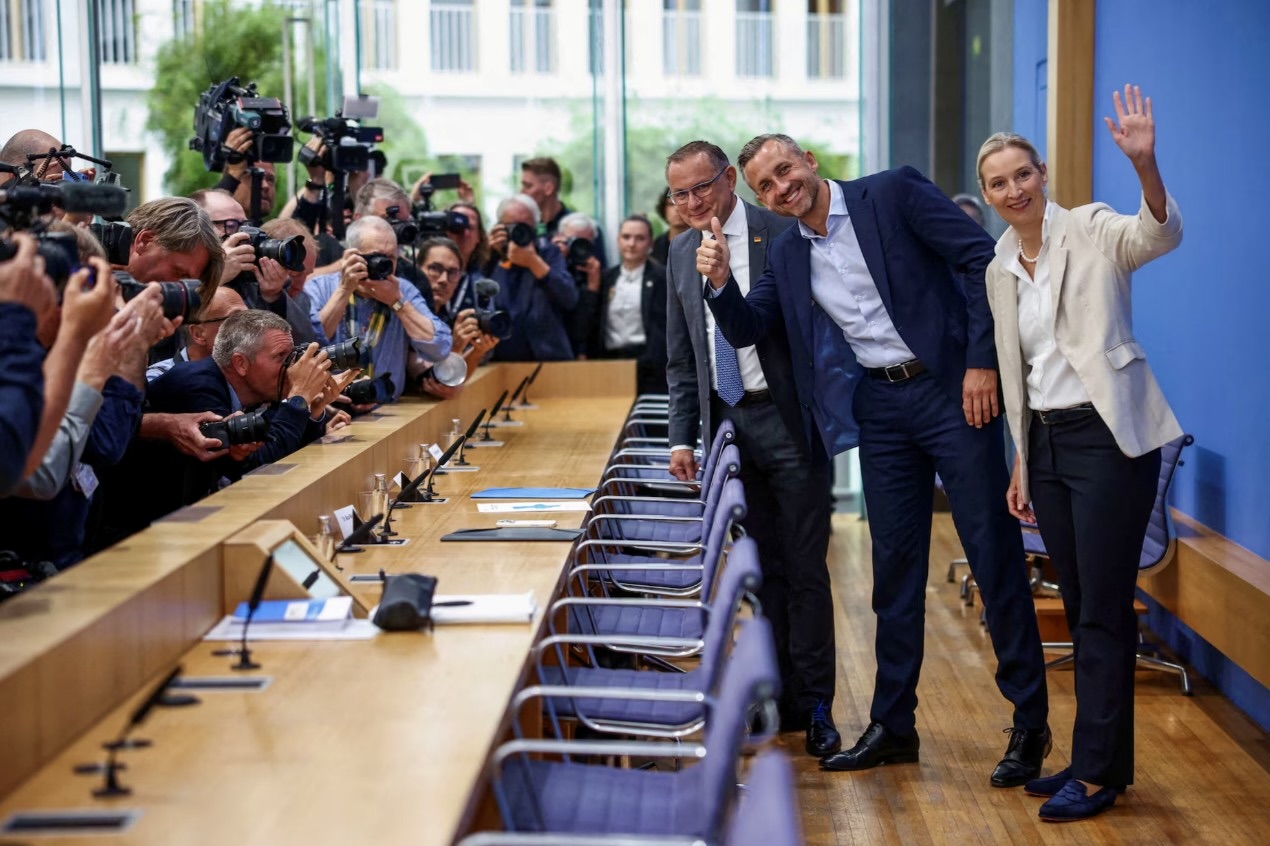
The missile attack occurred on the day of Trump’s meeting with Netanyahu — their first in five months. The Israeli prime minister insists on continued military pressure on Iran, while Trump, according to sources, wants a diplomatic agreement that would lower oil prices and avoid political fallout for Republicans in the November midterm elections.
Netanyahu said after the meeting that it was “one of the best conversations I’ve had.” However, The New York Times notes that a meeting traditionally intended to demonstrate a close alliance risks exposing deep divisions between the two leaders.
Why Trump’s Influence Is Waning: Three Reasons
Western experts and media identify several factors undermining the US president’s global influence:
1. The Iranian Deadlock
Having started the war as a “four-to-six-week operation,” Trump has become mired in a protracted conflict with no clear end in sight. As The New York Times writes, “Trump appears to have neither a clear military nor diplomatic strategy.” A president who made the display of force a hallmark of his second term has encountered an adversary who “refuses to play by his rules.”
2. Chaotic Diplomacy
Trump’s decision to unilaterally annul the nuclear deal with Saudi Arabia 24 hours after signing it has eroded trust even among allies. As one Saudi official put it: “Tweets do not cancel signed agreements.” The Wall Street Journal calls this a “fool’s errand” doomed to fail.
3. Declining Trust Among Allies
According to a Pew Research Center survey, global trust in Trump and the US continues to decline. In Canada, the share of citizens who consider the US a reliable partner fell from 83% in 2022 to 35% in 2026.
Following Iran’s missile attack, the US and Saudi Arabia carried out joint strikes on Iran-backed militant targets in eastern Iraq. However, this does not solve the main problem: the Strait of Hormuz remains effectively closed, and the war shows no signs of ending.
As The Irish Times wryly observes, Trump “tries to use tweets to create his own reality, instead of bombing Iran into capitulation.” The question is how many more allies and markets Washington will lose before the president realises that power is not about loudly proclaiming strength, but about achieving long-term results.