BAGHDAD (Realist English). The ten‑year agreement between Turkey and Iraq on the Kirkuk‑Ceyhan pipeline expired earlier this week, but the flow of crude has not stopped.
According to Turkish officials familiar with the situation, Ankara expects continued supplies of Iraqi oil despite the absence of a new contract.
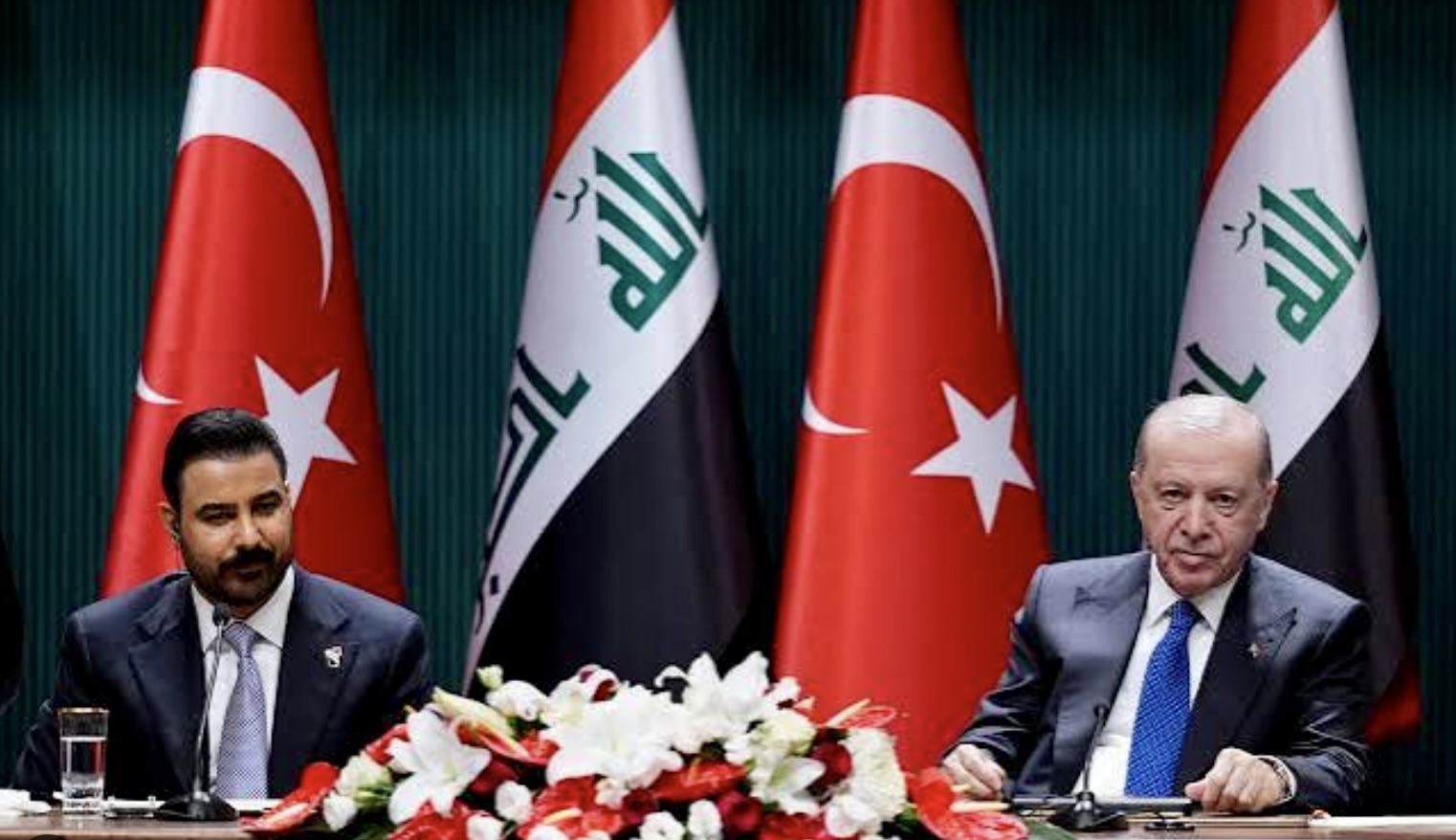
Talks held on 28 July between Turkish President Recep Tayyip Erdoğan and Iraqi Prime Minister Ali Falih Kadhim al‑Zaidi did not result in a full‑fledged agreement. However, the sides agreed to keep pumping oil on a temporary basis until negotiations are completed.
Expired deal and new format
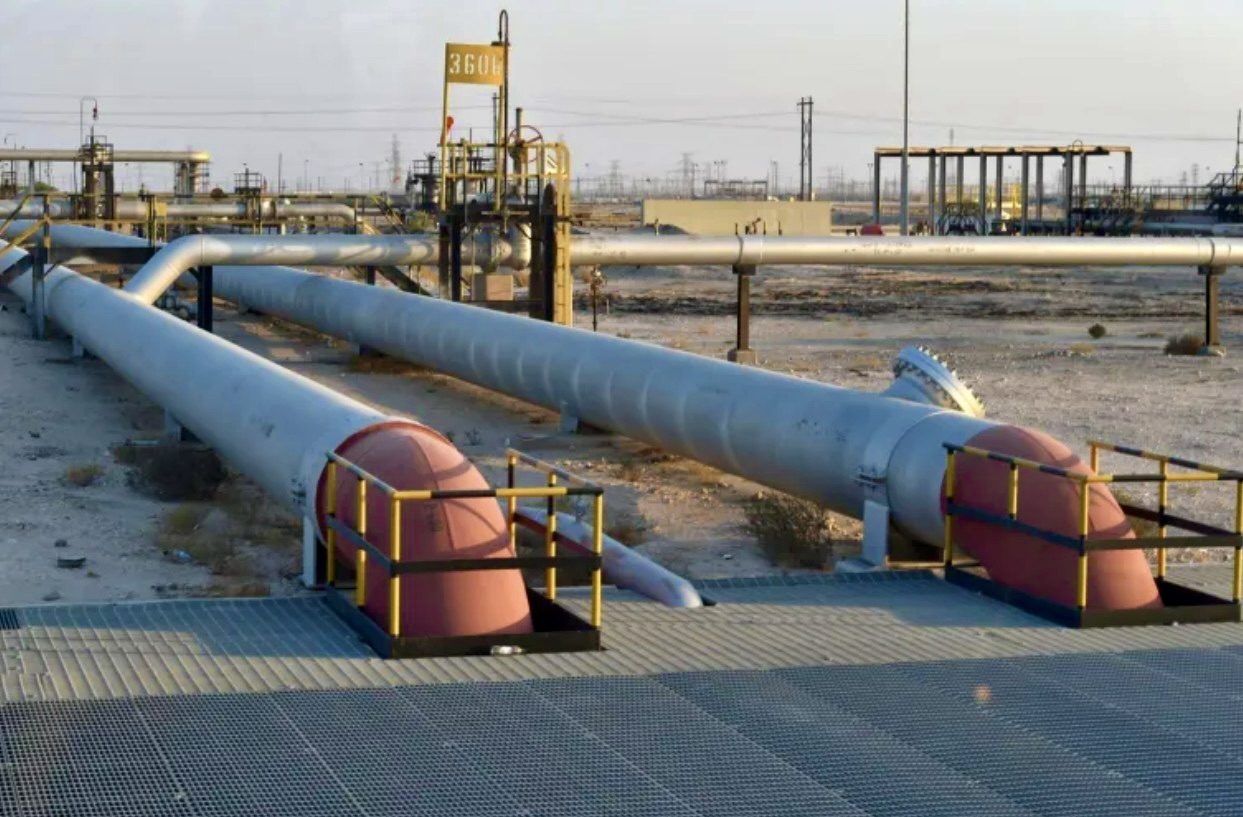
The agreement governing the 986‑kilometre (613‑mile) Kirkuk‑Ceyhan pipeline, which carries Iraqi oil to Turkey’s Mediterranean coast, expired on 27 July. Baghdad and Ankara had been negotiating a new deal but failed to sign it in time. According to Upstream, al‑Zaidi’s visit to Ankara ended without signing a contract for the construction of a cross‑border pipeline.
Turkish Energy Minister Alparslan Bayraktar had earlier insisted that the new agreement should include a mechanism guaranteeing full utilisation of the pipeline’s capacity – up to 1.5 million barrels per day. Iraq, for its part, requested capacity of 750,000 bpd, with the current flow running at about 180,000–200,000 bpd.
‘We are neighbours’: 1 million barrels a day
At a joint press conference in Ankara, Erdoğan stated that Iraq had offered to supply Turkey with up to 1 million barrels of oil per day. “Our neighbour is right here. As soon as we start receiving 1 million barrels of oil from our neighbour Iraq, it will cover our needs,” the Turkish leader said. Al‑Zaidi confirmed the figure.
However, as Euronews noted, no legally binding agreement on volumes and timelines was signed.
Why Iraq is relying more on Turkey
Iraq relies heavily on Turkey for exporting its oil amid the ongoing US‑Iran conflict, which has disrupted shipping in the Strait of Hormuz. Before the war, Baghdad sent about two‑thirds of its exports by tanker through the Strait of Hormuz, with the remainder going via the Kirkuk‑Ceyhan pipeline.
Since the de facto blockade of the strait began in February 2026, Iraq has been forced to seek alternative routes, and the Turkish direction has become critically important. The authorities are also considering building a new pipeline that would connect Basra in southern Iraq to Haditha in the west, and then onward to the Turkish port of Ceyhan and the Syrian port of Banias.
Turkish oil corporation enters BP assets
A key outcome of the talks was the signing of an agreement to transfer a 15% stake in BP Energy Company of Kirkuk Limited – which operates oil and gas fields in the Kirkuk area – to Turkey’s state‑owned oil company TPAO.
Erdoğan called the move “historic” for energy partnership. BP CEO Meg O’Neill welcomed TPAO’s entry, noting that the companies have been cooperating for more than 30 years.
‘Development Road’ and other projects
The sides also discussed the $17‑billion “Development Road” project – a transport corridor stretching about 1,200 kilometres from the Al‑Faw port in southern Iraq to the Turkish border, which is intended to transform Iraq from an oil‑dependent economy into a major transit hub between Asia and Europe.
During the visit, memoranda of understanding were signed in the fields of intellectual property, academic training, youth and sports.
Arbitration dispute remains unresolved
The Kirkuk‑Ceyhan pipeline had not been operational since March 2023 after an arbitration court ruling obliged Turkey to pay Iraq $1.5 billion in compensation for unauthorised exports of Kurdish oil in 2014–2018. Minister Bayraktar confirmed that the arbitration proceedings are continuing in parallel with negotiations on a new agreement.
Turkey imports about 90% of its oil and is under pressure from rising prices and regional instability. Iraq, for its part, is aiming to increase production and exports to rebuild its economy after decades of war.
As Erdoğan stated, the goal of the sides is to sign a “comprehensive energy cooperation agreement” as soon as possible. For now, oil continues to flow through the pipeline – on a temporary basis.