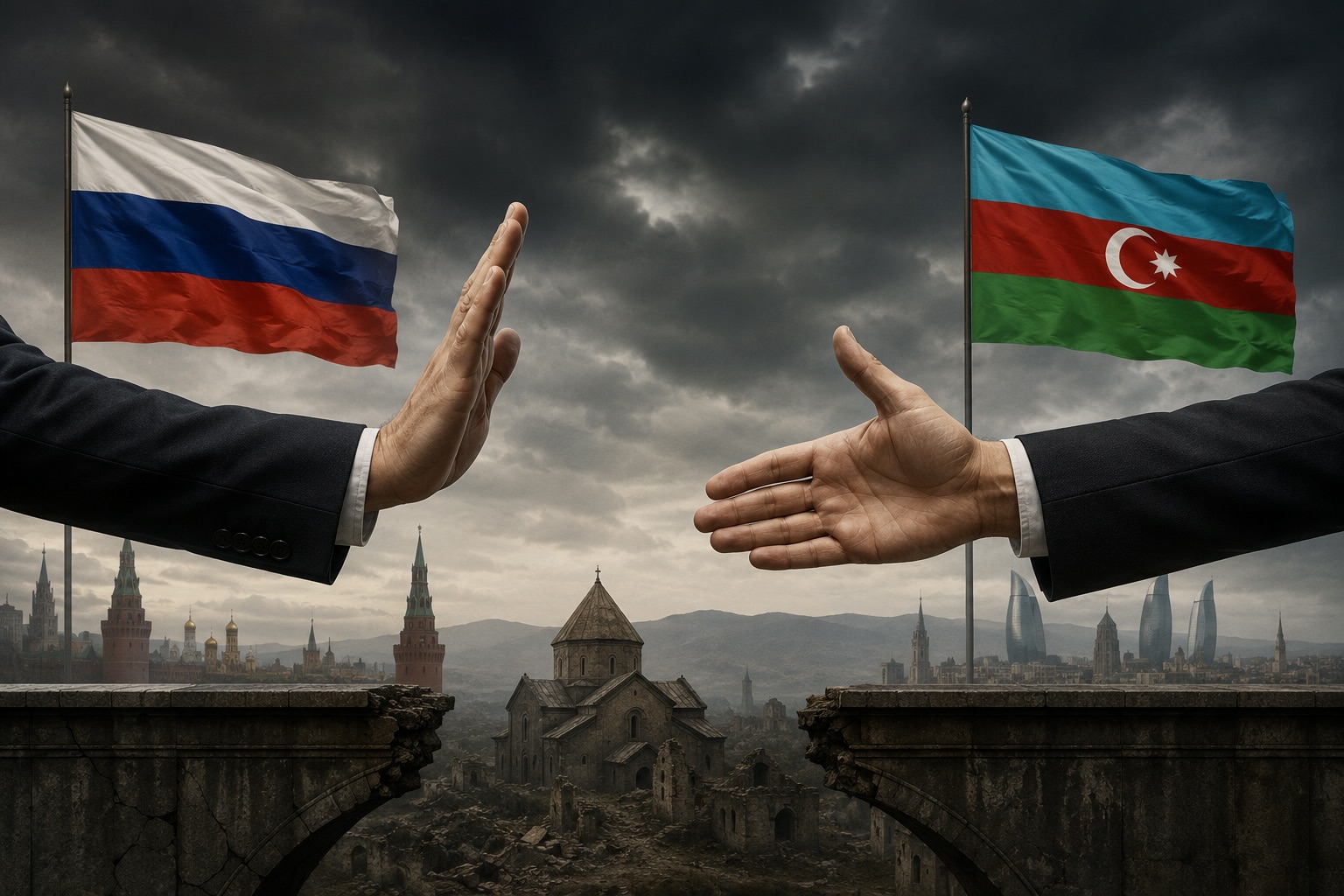
BAKU (Realist English). Official Baku has demanded that Moscow cease its “practice of commenting on issues related to Russian-Armenian relations in connection with Azerbaijan.”
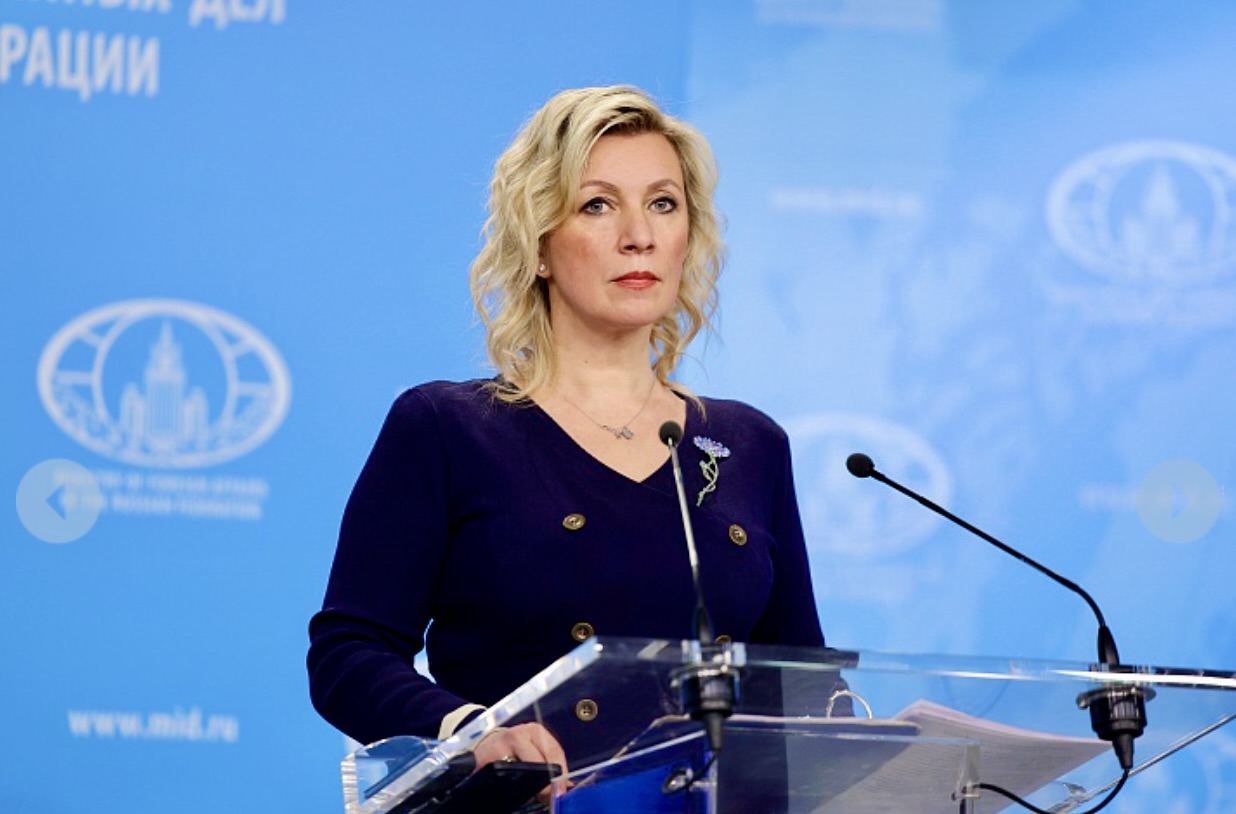
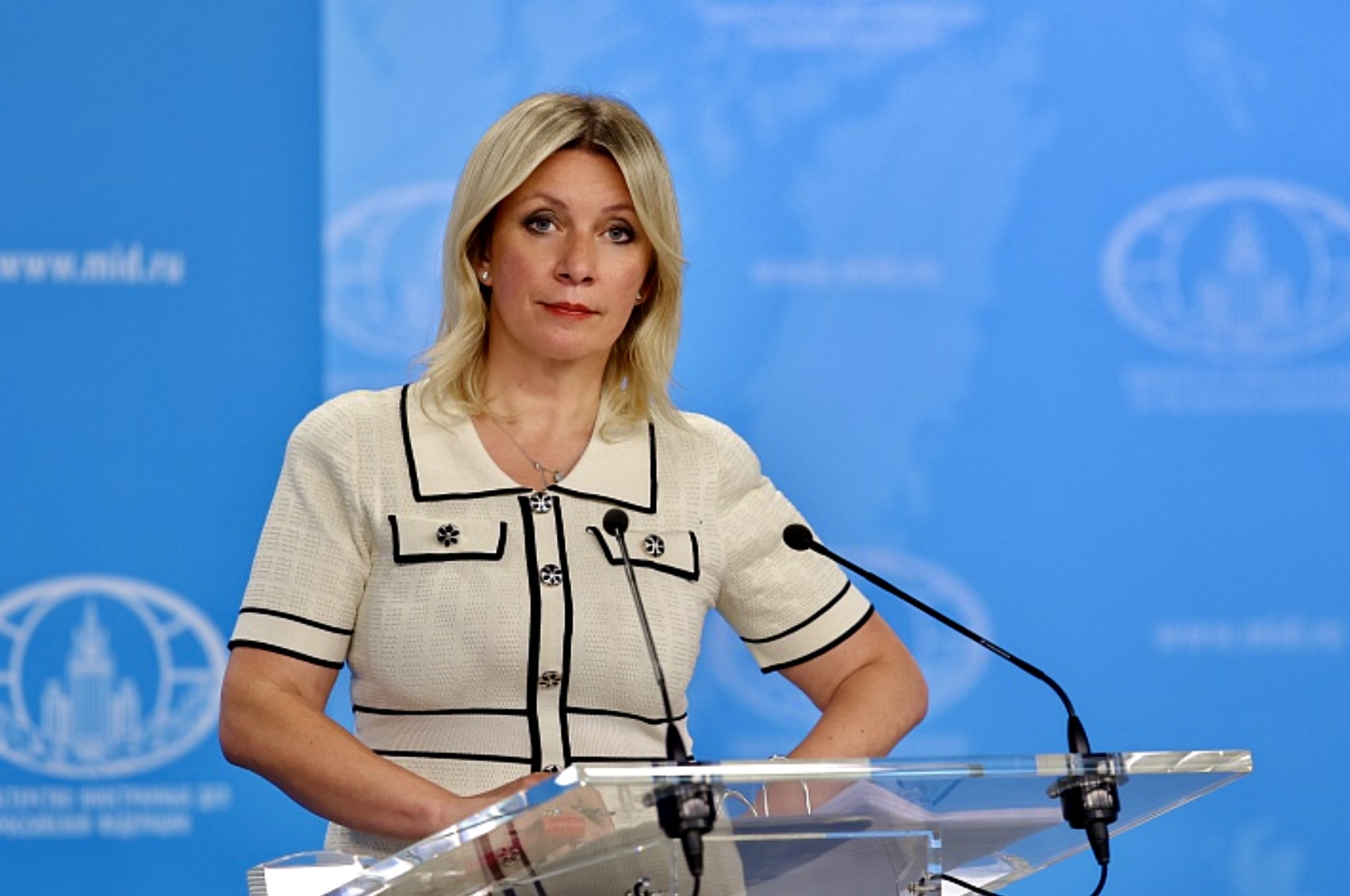
The trigger for the harsh reaction was remarks by Russian Foreign Ministry Spokesperson Maria Zakharova regarding the Armenian-Azerbaijani conflict over occupied Artsakh and the role of the CSTO.
Simultaneously, Azerbaijani President Ilham Aliyev made sharp statements regarding Russia’s energy capabilities, effectively proposing that the West replace Moscow in the European gas and oil market.
What Zakharova said and how Baku responded
Speaking at the “Gvardeysk” youth forum in Tver Region on 27 July, Maria Zakharova explained why, in her view, Armenian authorities’ reproaches toward the CSTO over its inaction in Artsakh are unfounded.
“There was a situation with Armenia, which seemed to be saying: ‘Let’s activate the CSTO mechanism.’ But in essence – against whom and what? Against that territory, Nagorno-Karabakh, which Armenia itself, unfortunately or fortunately – that’s not my question, that’s for them, for Yerevan – did not recognise as either its own or independent,” the Russian Foreign Ministry spokesperson stated.
Under such conditions, Zakharova concluded, the CSTO mechanism could not have been activated.
Azerbaijani Foreign Ministry Press Secretary Aykhan Hajizada called Zakharova’s remarks “yet another attempt to distort the real state of affairs.”
According to him, the Karabakh region allegedly “has always been recognised by the international community, including the Russian Federation, as an integral part of Azerbaijan.”
Hajizada stressed that attempts to once again raise the issue of applying CSTO mechanisms to Azerbaijan’s sovereign territories, which were under Armenian occupation for 30 years, “contradict the official position of the Russian Federation itself.”
Aliyev: Russia has lost its status as a key supplier to Europe
Against the backdrop of the diplomatic scandal, Aliyev made sharp statements, effectively announcing Baku’s readiness to replace Russia in the European energy market.
Speaking at a joint press conference with German Chancellor Friedrich Merz in Berlin on 21 July, Aliyev stated that Russia, due to damage to its energy infrastructure, is allegedly no longer able to fully supply its traditional partners with oil and gas.
“Russian energy infrastructure is being destroyed and taken out of service. Russia can no longer supply sufficient volumes of gas and oil to all its traditional partners,” the Azerbaijani leader declared.
According to him, Azerbaijan is ready to fill this deficit but has set a condition: European banks must resume financing oil and gas projects that were halted due to the “green agenda.”
The realities of Azerbaijani exports
Aliyev noted that Azerbaijan already supplies gas to ten European Union countries and began exports to Germany in 2026. Since January 2026, SOCAR has started exports to Germany and Austria, expanding its supply geography.
However, the actual figures show that Baku’s potential is limited. In the first half of 2026, Azerbaijan produced 13.3 million tons of oil and condensate – a decrease of 2.9% compared to the same period in 2025. Oil exports fell by 9.5% to 10.5 million tons.
Natural gas production rose by 0.8% to 25.4 billion cubic metres, while gas exports totalled 12.7 billion cubic metres, of which 5.9 billion were directed to Europe. For comparison: even in Russia’s “disastrous” year of 2025, gas supplies to EU countries amounted to 38 billion cubic metres.
Italy remains the largest importer of Azerbaijani oil, followed by the Czech Republic, Bulgaria, Romania, and other European countries.
Baku’s criticism of Zakharova came amid a telephone conversation between the presidents of Russia and Azerbaijan, Vladimir Putin and Ilham Aliyev, which took place on 28 July.
In April 2026, Azerbaijan’s Foreign Ministry had already demanded that Russian officials be prohibited from mentioning Karabakh and exploiting the Karabakh issue in political discussions.
As analysts note, Aliyev’s statements about Russia’s energy incapacity appear at least exaggerated. Strikes on refineries, even when partially successful, may lead to fuel shortages inside Russia due to reduced refining capacity, but they “do not affect the loading of oil onto the same ‘shadow fleet’ tankers.”
Increasing supplies from Azerbaijan would likely require a new pipeline. The cheapest and shortest route would pass through Armenia – which casts doubt on the realism of Baku’s ambitious plans given the ongoing tensions with Yerevan.
The conflict around Karabakh and Aliyev’s energy ambitions create a new front of tension in Russian-Azerbaijani relations. Moscow has not yet officially responded to Baku’s demands to stop commenting on issues linking Armenia and Azerbaijan.
However, the tone of Azerbaijan’s statements, especially amid energy claims, suggests that Baku is moving from a strategy of diplomatic manoeuvring to harsher public rhetoric toward Moscow. The question is whether Russia is prepared to accept this state of affairs in a region it has traditionally considered its sphere of influence.