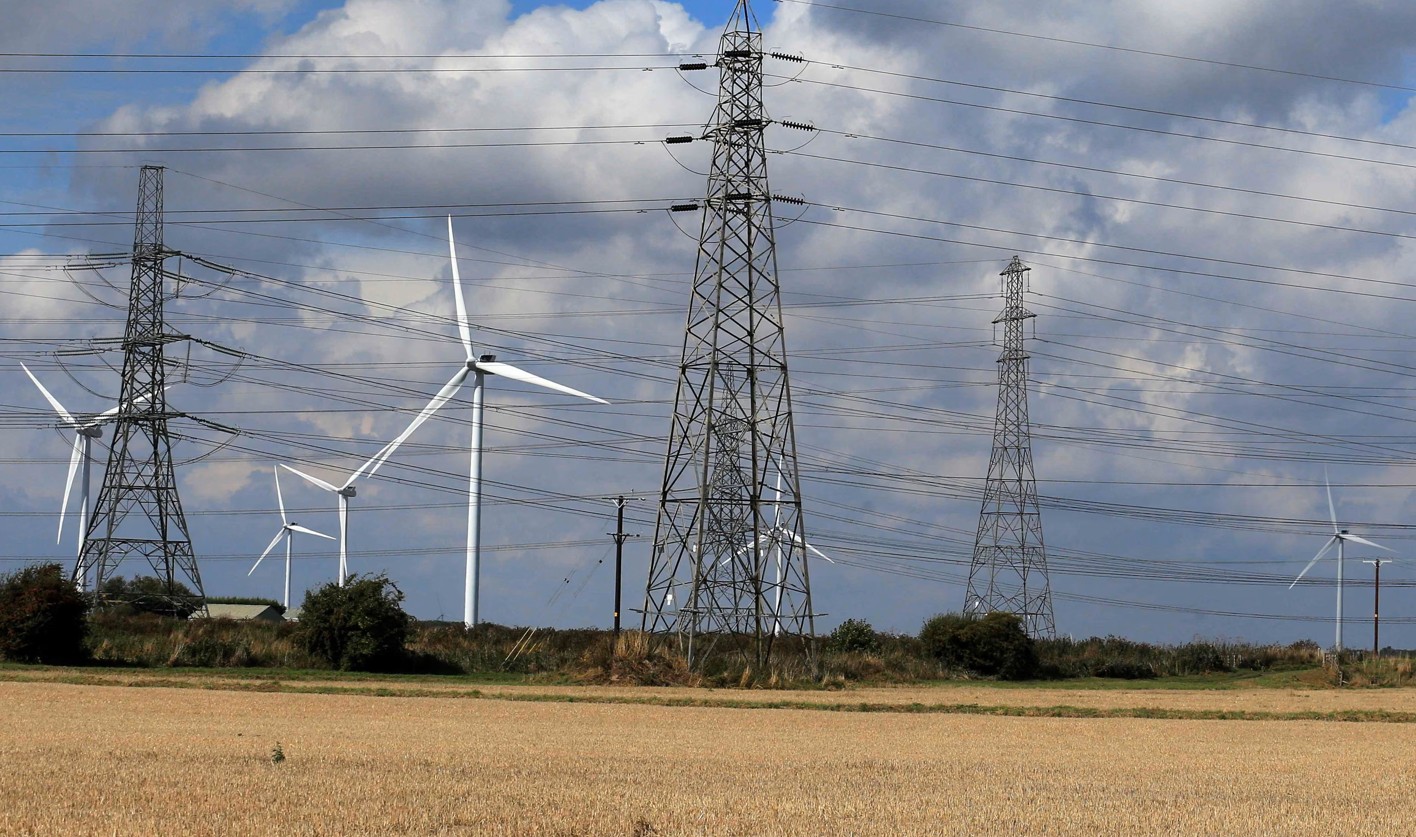
LONDON (Realist English). The UK’s National Energy System Operator (NESO) issued a warning about a possible electricity shortage. The cause was a sharp drop in wind power generation amid colder weather and rising demand.
The essence of the warning
NESO reported a potential shortfall of 1.9 GW between 15:00 and 23:00 London time on October 6. This is a wider gap than in an earlier notice issued late on October 5.
The system operator notified power plants of the need to report any additional capacity available for generation. The warning is linked to the so-called “dunkelflaute” phenomenon — a period of calm and cloudy weather during which renewable generation falls sharply.
Scale of the problem
Data shows that at midday on September 28, 2026, wind provided only 16% of total electricity generation in the UK, while gas-fired power plants produced 58%.
The warning reflects the growing dependence of the British power system on weather conditions. During periods of low wind generation, gas plants are forced to rapidly increase output to fill the gap. An IGEM analysis showed that during four periods of hot weather with unusually low wind generation in the summer of 2026, gas provided an average of 36% of electricity.
Winter season context
This warning came against the backdrop of NESO’s forecasts for the 2026/27 winter season. According to its June review, the operator expected a surplus of 5.5 GW (8.8% of peak demand) between October 31, 2026, and March 31, 2027.
NESO noted that growth in battery storage, new gas capacity, and increased renewable generation would help offset rising demand. Expected load loss was estimated at less than 0.1 hours per year — significantly below the government-set reliability standard of 3 hours per year.
However, the operator warned that periods of tighter margins were still possible, especially in mid- and late January. At such times, NESO may use standard operational tools, including Capacity Market Notices, to attract additional generation.
Significance for the market
The warning highlights a structural problem in British energy: the growing share of intermittent renewables requires flexible capacity for balancing. During “dunkelflaute” periods, the system quickly switches to gas, which affects wholesale market prices. As analysts note, the cost of calm weather is reflected almost directly in consumer bills.
Will the UK be able to ensure supply stability as the share of wind generation continues to grow? Or will dependence on gas remain critical for years to come?