LONDON (Realist English). The heads of the two largest oil-producing countries in the Middle East warned that the rest of the world must share with them the burden of the costs of the war with Iran and related infrastructure investments. They stated this at the Energy Intelligence forum in London on October 5.
Who spoke
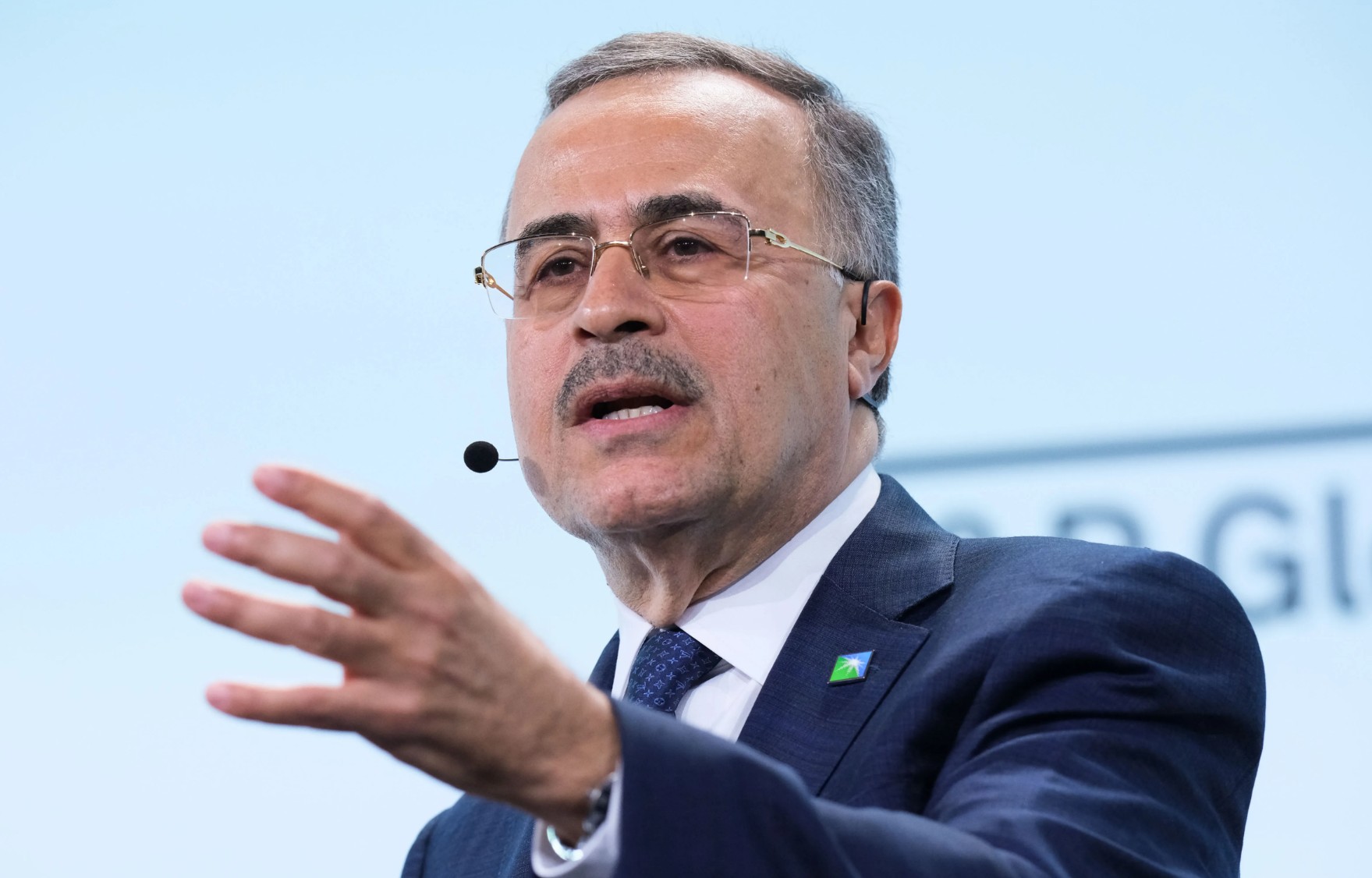
The warning came from Saudi Aramco CEO Amin Nasser and Kuwait Petroleum Corporation head Sheikh Nawaf Sabah. Both emphasized that the conflict has caused massive damage to the region’s energy infrastructure and requires new capital investments amounting to tens of billions of dollars.
The essence of the warning
Nasser stated: “No country should bear all of this alone. Oil and gas infrastructure is not an expense item that can be cut or bypassed. For producers and consumers, it is a shared necessity.”
According to him, the war damaged pipelines, refineries, gas facilities, and dozens of tankers. Both countries plan to expand export routes and overseas oil storage capacity.
Condition for Europe
The head of Kuwait Petroleum Corporation went further, setting a specific condition. According to him, if European countries want to receive Kuwaiti diesel and aviation kerosene, they must invest in creating the corresponding storage facilities.
Scale of losses and pressure
The warning came amid data previously released by Nasser. Since the start of the war with Iran, global oil supplies have lost nearly 3 billion barrels. The commercial stock buffer has shrunk to less than 6 billion barrels, with about 90% of it “effectively unavailable” due to technical constraints.
Restoring stocks to normal levels, according to Nasser’s estimate, could take up to two years. This will create additional oil demand of at least 2 million barrels per day over the next 18 months.
Nasser emphasized: “Until the Strait of Hormuz fully reopens and confidence returns, pressure at both ends of the barrel will only intensify.”
What producers are doing
Despite the risks, Persian Gulf countries are increasing exports. Saudi Aramco has increased shipments from the Ras Tanura terminal and restored throughput on the East-West pipeline to about 80% of capacity. This allows oil to be partially redirected through the Red Sea, bypassing Hormuz.
However, transportation through the strait is fraught with high costs. According to media reports, the cost of a single “shuttle” tanker voyage through Hormuz reaches $30–40 million, and VLCC freight rates have risen from $231,000 per day before the war to more than $1.2 million by the end of September.
Consequences for the market
The warning came amid the G7 decision to release 100 million barrels of emergency reserves. Analysts agree that this measure only “buys time” but does not eliminate the fundamental imbalance between supply and demand.
Will the world be able to develop a mechanism for sharing the costs of restoring energy infrastructure? Or will producers continue to bear this burden alone, ultimately passing it on to consumers through fuel prices?