LONDON (Realist English). Analysts identify three main factors behind the sharpest price jump since 2022.
Black Sea crisis and supply disruptions. Disruptions in the Black Sea region have restricted grain exports, which account for nearly 30% of global wheat exports and more than 10% of corn. In August, strikes disabled three major grain terminals in Novorossiysk, halting shipments. Grain exports from the region fell by about 75% year-on-year in the first half of August.
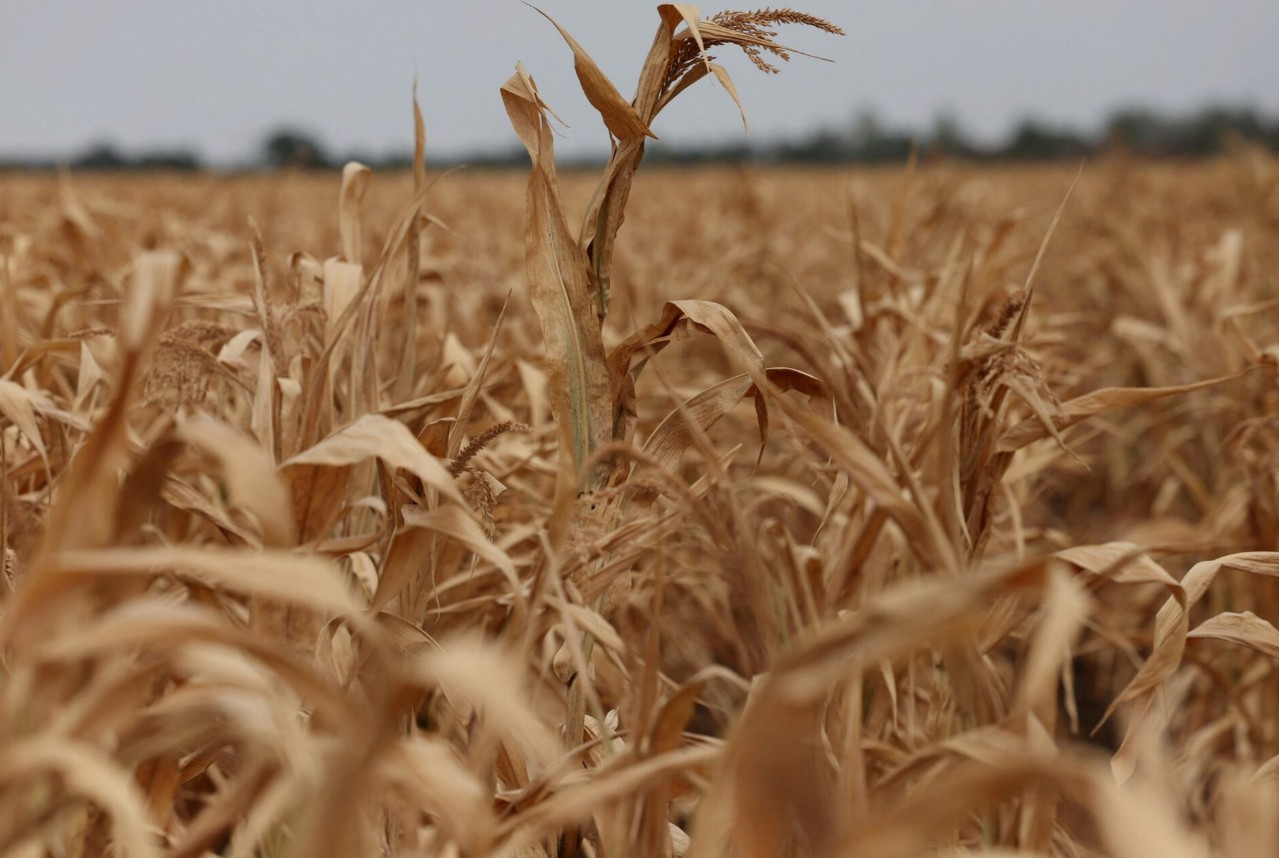
Extreme weather and “super El Niño.” Drought and record heat in Europe damaged corn and sugar beet harvests. France, the EU’s largest agricultural producer, faced its smallest corn harvest since 1980. At the same time, El Niño is intensifying and is forecast to persist at least until February 2027, threatening rice and palm oil production in Southeast Asia.
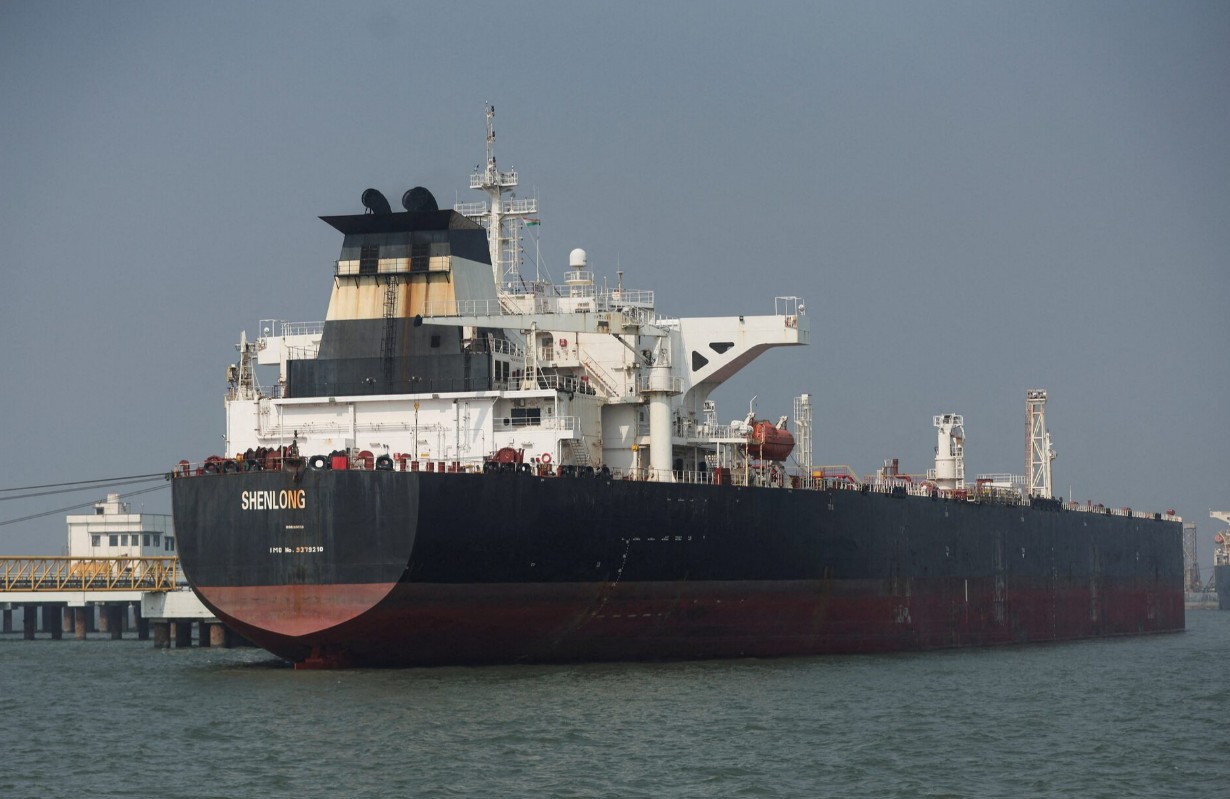
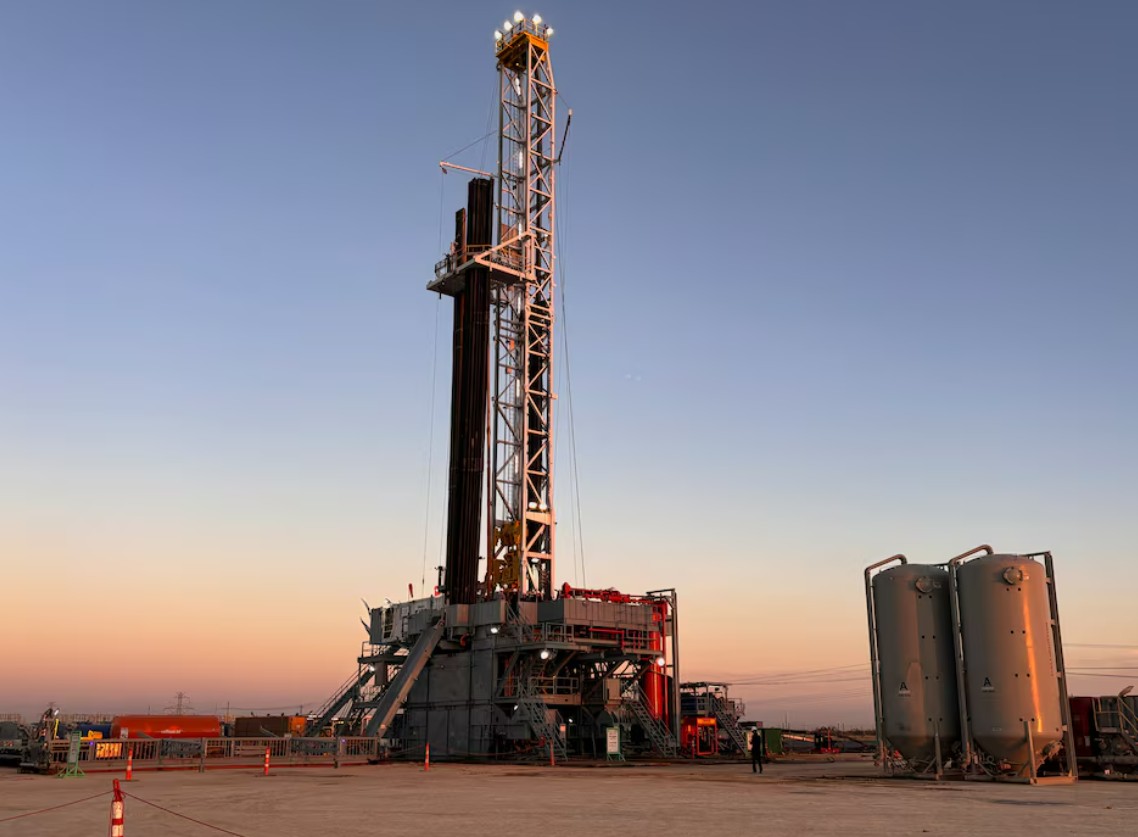
Fertilizer crisis due to the Strait of Hormuz situation. About a third of global seaborne fertilizer exports pass through the Strait of Hormuz, including more than 30% of global urea trade. Amid the US-Iran conflict, urea prices soared from about $400 per ton to more than $850 in April, though they retreated to $453 by June. According to JPMorgan estimates, damaged fertilizer plants could take up to four years to recover.
FAO Index: Growth Across All Categories
FAO data for August 2026 confirm the alarming trend: growth was recorded across all five main food categories.
| Category | Dynamics (August 2026) |
| FAO Index (overall) | 133.3 points (+1.9% m/m, highest since November 2022) |
| Cereals | +2.2% m/m (highest since May 2024) |
| Vegetable oils | +0.6% m/m (highest since June 2022) |
| Sugar | +11.9% m/m (highest since June 2025) |
| Meat and dairy | Growth |
FAO Chief Economist Maximo Torero described the situation bluntly: “The August rise in world food prices is a warning that the risk premium is returning to food markets: climate shocks, geopolitical tensions and disrupted trade logistics are converging to tighten supply expectations.”
Forecasts: 5% by Mid-2027
JPMorgan analysts warn that global food inflation could accelerate from 2.8% in the first half of 2026 to 5% in the first half of 2027, adding about 0.6 percentage points to the overall inflation rate. According to Goldman Sachs estimates, global food prices could rise by 15.8% by 2028.
“This is not a short-term shock; it reduces the likelihood of a near-term return of inflation to target levels, and upward pressure on food inflation may persist throughout the first half of 2027,” notes Nora Sentivani, senior economist at JPMorgan.
Scientists from the Potsdam Institute for Climate Impact Research reached similar conclusions in a peer-reviewed paper: with 2°C of warming, the probability of exceeding historical price peaks for wheat nearly doubles, while for corn and soybeans it increases by 2.7 and 2.45 times, respectively.
Who Will Be Hit Hardest
The impact will be uneven. For developing markets, where food accounts for up to 40% of the consumer basket versus about 10% in developed economies, the consequences will be significantly more severe. JPMorgan points to the greatest risks in South and Southeast Asia (rice, sugar, coffee), West Africa (cocoa) and East and Southern Africa. India, Indonesia, Brazil and Colombia are among the most vulnerable economies.
Consumers in the US and Europe will also feel the pressure: a household spending $800 a month on food would pay an additional $40 a month, or $480 a year, with a 5% price increase. Under a more pessimistic scenario of 12.3%, additional costs would amount to about $98 a month.