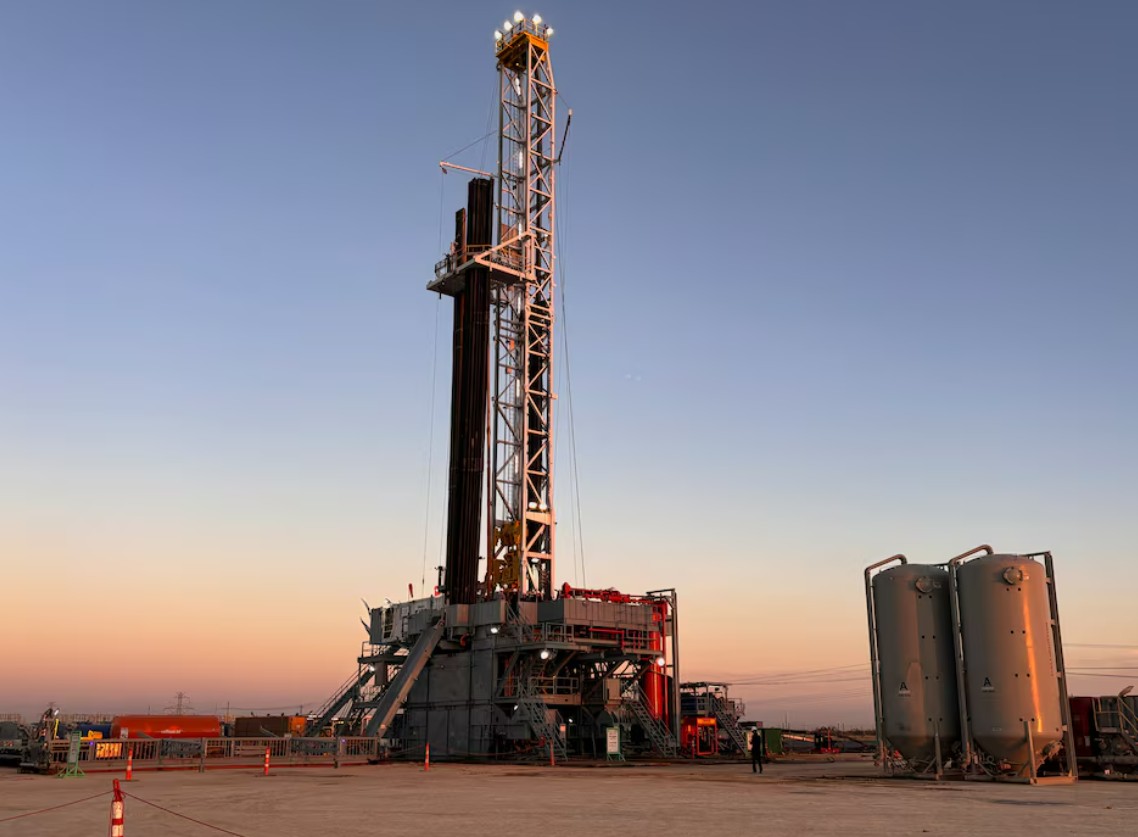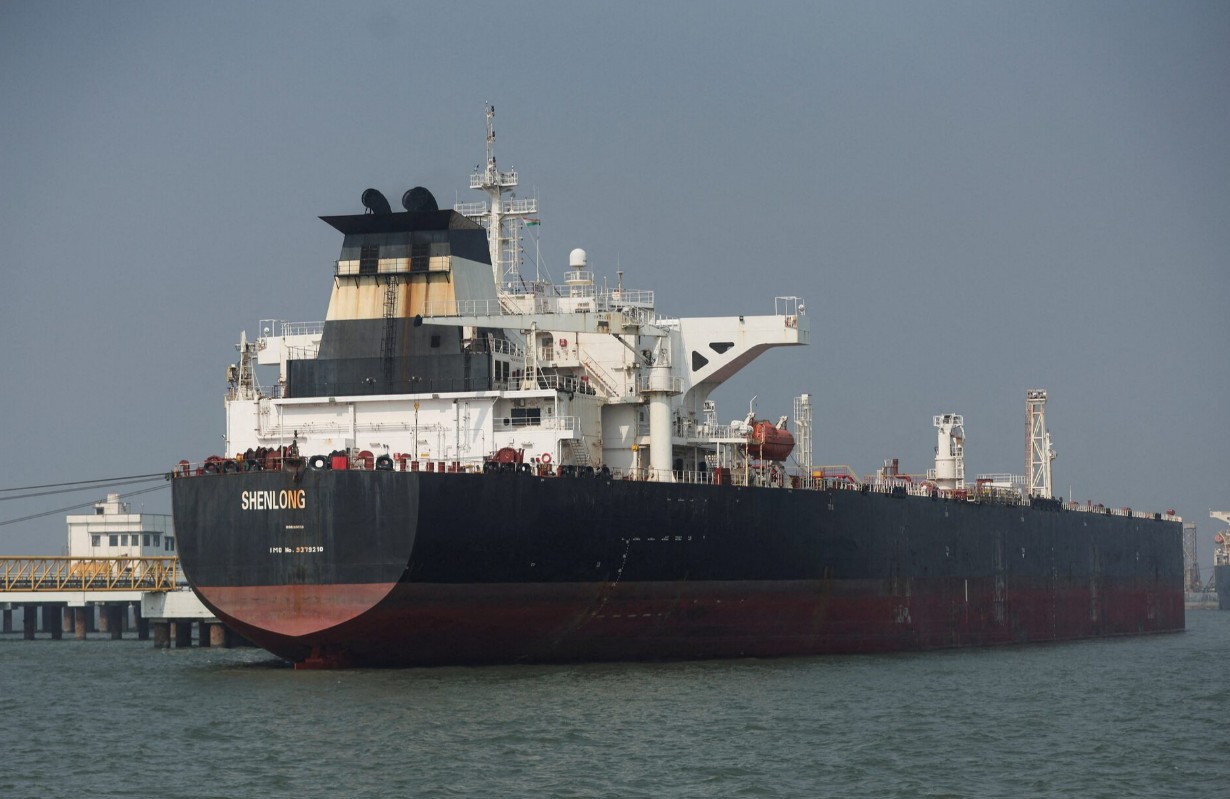
MUMBAI (Realist English). Indian oil refiners have issued tenders and are negotiating with shipping lines to charter tankers that will enter the Persian Gulf through the Strait of Hormuz, Bloomberg reports, citing informed sources.
According to the agency, tenders have already been won by Sinokor Group and Dynacom Tankers Management Ltd., while bids from Shipping Corp. of India and Lila Global were cancelled.
Traffic Recovery: 90% of Pre-War Level
The change in tactics by Indian refineries became possible due to a sharp improvement in the situation in the Strait of Hormuz. According to Kpler, in September an average of six tankers passed through the strait per day, and the total volume of oil transported reached 9.5 million barrels per day, which is more than 90% of the pre-war level (excluding Iran, which completely halted exports due to the American blockade).
“These are often convoys of several vessels, about four to six, moving in single file. They switch off their signal as they approach the entrance to the strait. It is now known that all personnel must also switch off any electronic devices — computers, mobile phones — to avoid sending signals that could be intercepted by the Iranians,” describes Omayun Falakshahi, head of oil analysis at Kpler.
According to Lloyd’s List Intelligence, September became the most active month since the start of the conflict: non-Iranian-linked vessels made at least 379 voyages through Hormuz. Abu Dhabi Ports launched feeder vessels supporting container traffic between the UAE, Pakistan and India’s western coast.
Russian Oil at Five-Month Low
In parallel, India sharply reduced purchases of Russian oil. According to Kpler, in September supplies from Russia fell to about 1.75 million barrels per day — the lowest level since April 2026, when they stood at 1.58 million barrels per day. In the intervening months, volumes surged: May — 1.95 million, June — 2.6 million, July — 2.8 million, August — 2 million barrels per day.
The decline is linked to China continuing to import significant volumes of the Russian ESPO grade for the third month in a row, reducing the batches available to India. In addition, the US is pressuring buyers of Russian oil: the signed bill gives Washington the right to impose 100% tariffs on goods from the five largest buyers of Russian energy.
“Russia remains a central part of India’s import basket, and we do not view the recent decline as a complete rejection of Russian barrels by India,” notes Sumit Ritolia, lead analyst at Kpler.
Middle East Returns: 3 Million Barrels Per Day
Imports from the Persian Gulf region in September reached about 3 million barrels per day, “widely returning to pre-war levels.” Iraq supplied about 575,000 barrels per day (versus 163,000 in August), Saudi Arabia — 566,000 (versus 347,000), the UAE — 480,000 (versus 546,000).
India’s total crude oil imports in September amounted to about 5.3 million barrels per day — 600,000 more than in August and 700,000 more year-on-year. The growth is linked to the completion of refinery maintenance and high domestic fuel demand, as well as strong export margins on petroleum products.
Risks Remain: Attacks on Tankers Continue
Despite the recovery in traffic, security in the strait remains extremely low. On 28 September, unidentified projectiles struck three vessels in the Strait of Hormuz, including a tanker managed by Kuwait Oil Tanker Company. The British agency UKMTO confirmed the incident, noting that a fire broke out on board.
Iran expanded its “blacklist” of vessels from 77 to 81, adding two tankers, a gas carrier and a bulk carrier. Tehran warns that vessels deemed non-compliant may face fines, detention or confiscation.
US Central Command continues its blockade of Iranian ports, redirecting 122 commercial vessels. The threat level for commercial shipping remains “serious”: according to the Joint Maritime Information Center, “deliberate hostile actions highly likely.”
| Indicator | Value |
| Russian oil (September) | 1.75 mln b/d (lowest since April) |
| Middle East oil (September) | ~3 mln b/d (pre-war level) |
| India’s total imports (September) | 5.3 mln b/d (+600k vs August) |
| Transits through Hormuz (September) | 379+ voyages (highest since war began) |
| Tankers per day (average) | 6 |
| Oil volume through Hormuz | ~9.5 mln b/d (90% of pre-war) |
Open Questions
Will India be able to maintain a balance between Russian and Middle Eastern supplies, or will US sanctions force New Delhi to fully reorient toward the Gulf despite ongoing risks?
Will Indian refineries be able to ensure the safety of chartered tankers amid continued attacks in the Strait of Hormuz, or will the new tactic prove too risky? And most importantly — will the recovery of traffic through the strait become a sustainable trend, or will another escalation between the US and Iran once again paralyze shipping, leaving India without alternative routes? Answers will emerge in the coming weeks — as the situation in the Gulf develops and Washington reacts to Indian purchases of Russian oil.