NEW YORK (Realist English). On 30 September, oil prices rose by about $1 per barrel. Brent posted a monthly gain of about 14% in September — the largest since July, while WTI added about 5% for the month.
“The near-term tone for oil remains negative amid recovering supplies from the Gulf region, the resumption of Saudi exports through Yanbu and inventory builds in the US, which are easing supply concerns,” said Sugandha Sachdeva, founder of SS WealthStreet, a research firm in New Delhi.
Recovery of Gulf Exports: Return to Pre-War Levels
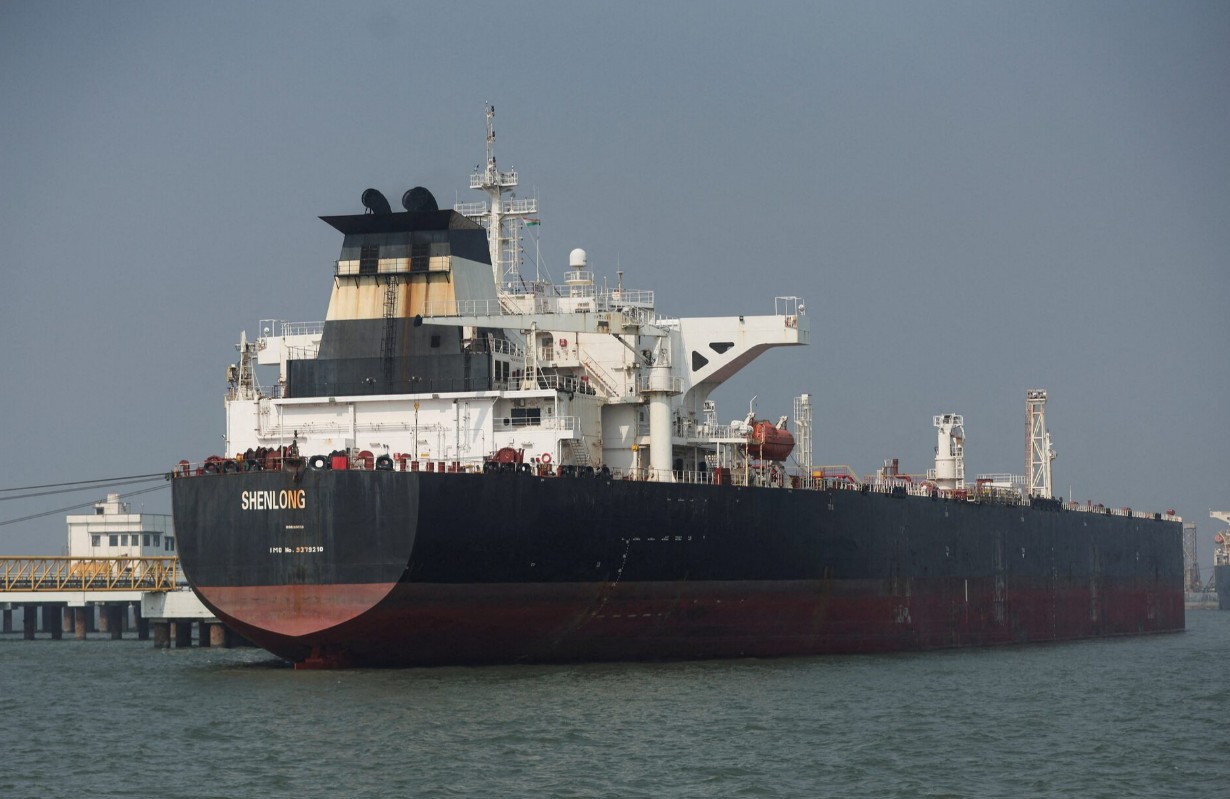
The key factor behind the price decline was the recovery of supplies from the Persian Gulf. Saudi Arabia resumed loading oil tankers from its Yanbu port on the Red Sea after restarting operations on the East-West pipeline.
According to Goldman Sachs estimates, oil exports from the Gulf, including “shadow supplies” from vessels operating with transponders switched off, recovered to 23.3 million barrels per day over the past week — in line with the 2025 average. Exports doubled in September.
US Inventories Unexpectedly Rose
Additional pressure on prices came from an unexpected rise in US crude oil inventories. According to the Energy Information Administration (EIA), inventories rose by 922,000 barrels to 427.3 million barrels for the week ending 25 September, while analysts had expected a decline of 264,000 barrels.
US-Iran Diplomacy: Hopes for a Breakthrough
The market is also assessing renewed diplomatic efforts between Washington and Tehran. Iran reported on 30 September that it had received the US response to its latest proposal on restoring a ceasefire agreement in the Gulf.
Qatar expressed hope that shuttle diplomacy between Tehran and Washington could lead to a breakthrough. However, US President Donald Trump denied reports by Axios and CNN that he was prepared to offer Iran sanctions relief and unfreeze Iranian assets in exchange for “concrete steps” on its nuclear program.
“The resumption of US-Iran diplomatic engagement could further reduce the geopolitical risk premium, although a breakthrough remains uncertain,” Sachdeva noted.
OPEC+ to Keep Quotas
The Organization of the Petroleum Exporting Countries and allies are likely to keep November production targets unchanged at their 4 October meeting, two sources familiar with the situation said.
EIA Forecast: Brent Around $90 in H2
The US Energy Information Administration in its September short-term forecast expects Brent to average around $90 per barrel in the second half of 2026.
Global oil inventories, according to EIA estimates, have declined by 400 million barrels since the start of the year and will continue to fall through the end of 2026, keeping prices near the August average. In 2027, the EIA forecasts a gradual decline in Brent to $74 per barrel as production recovers and inventories grow.
| Indicator | Value |
| Brent (1 October) | $96.92 (-1.1%) |
| WTI (1 October) | $89.18 (-1.4%) |
| Brent gain in September | ~14% |
| WTI gain in September | ~5% |
| US inventories | 427.3 mln bbl (+922k) |
| Gulf exports | 23.3 mln b/d (2025 level) |
| EIA forecast Brent (H2 2026) | ~$90 |
| EIA forecast Brent (2027) | ~$74 |
Open Questions
Will the recovery of Gulf exports and US-Iran diplomacy keep prices under pressure, or will another escalation in the Strait of Hormuz push Brent back above $100? Will OPEC+ keep quotas at the 4 October meeting, or will the market require additional barrels to stabilize?
And most importantly — will the price decline become a sustainable trend given the EIA forecast of Brent falling to $74 in 2027, or will geopolitical instability and declining inventories prevent oil from staying below $90 for long? Answers will emerge in the coming days — as negotiations develop and supply data is published.