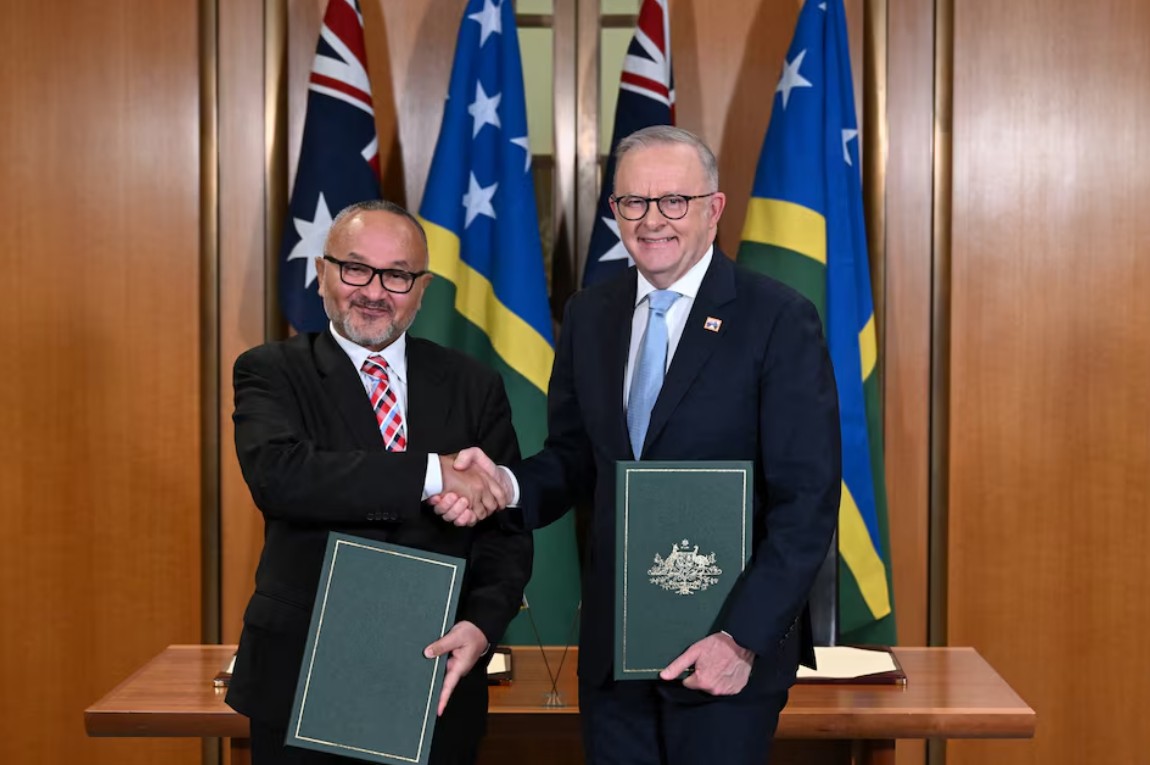

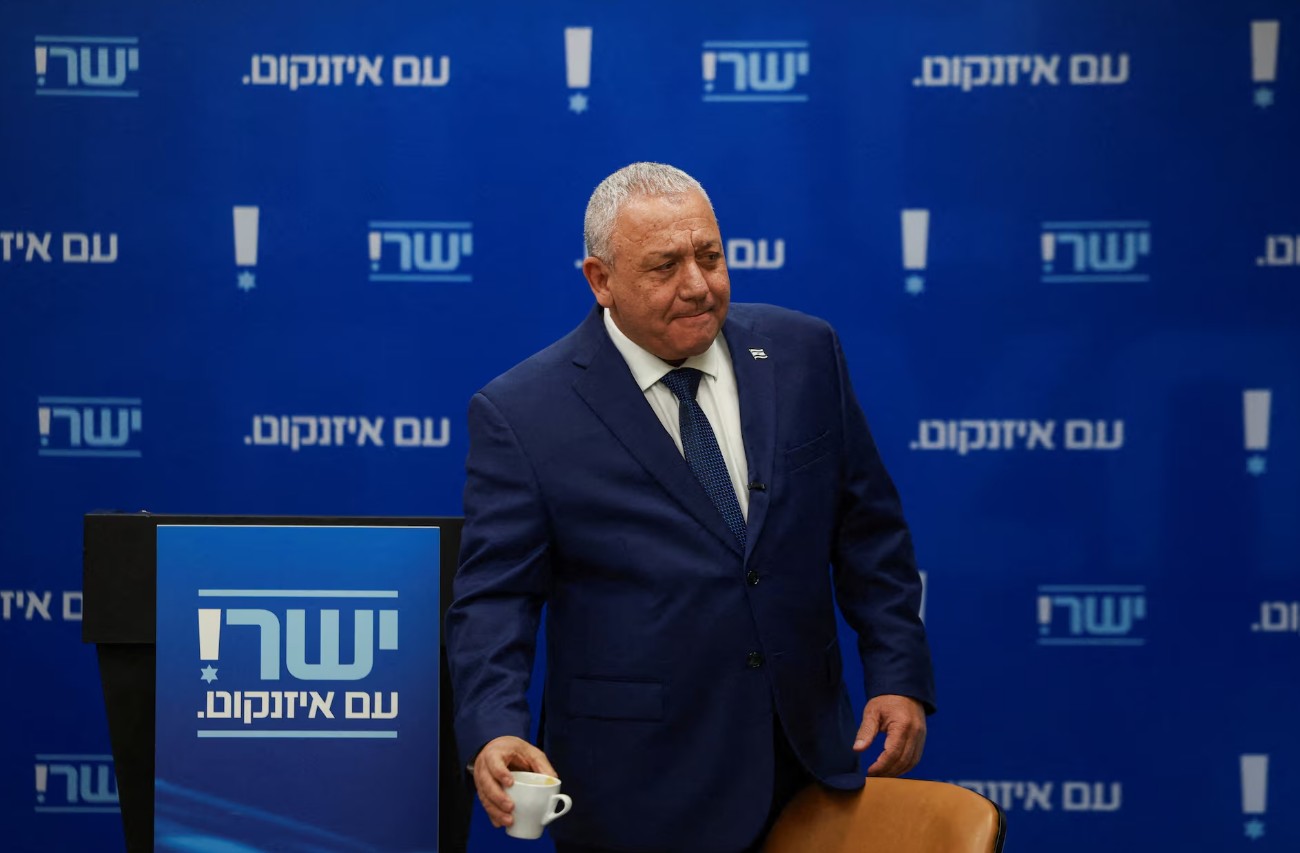
TEL AVIV (Realist English). The Democrats party of Yair Golan announced the suspension of coalition talks with Gadi Eisenkot’s Yesh Atid, which has held the mandate to form Israel’s government since November 8. The statement was published on X on Tuesday evening — the same day Yesh Atid reached its first official coalition agreement with Avigdor Lieberman’s Israel Our Home party.
First breakthrough: the agreement with Lieberman
Yesh Atid holds 21 seats, Lieberman has 7 — 28 in total. That is enough to create an anti-Netanyahu bloc but far from a majority in the 120-seat Knesset, where 61 are needed. Lieberman, a right-wing leader, has consistently opposed a government dependent on Arab party support — which directly contradicts the Democrats’ demand. His main goal remains unchanged: removing Netanyahu from power.
The left walks out: “The Democrats can no longer tolerate it”
The Democrats’ statement is blunt about the reason: “In recent days we have watched with concern as the talks with Likud and the ultra-Orthodox parties have shaped the entire course of the negotiations,” and “we must take the unity option off the agenda.” Golan insists that Eisenkot honor his campaign promise to form a coalition with the two Arab parties that won a historic 19 seats. Eisenkot’s parallel talks with Likud and the ultra-Orthodox are seen by Golan as a departure from commitments to voters.
The arithmetic of the impasse: 48 versus 53
The October 27 election gave no bloc a clear majority. Eisenkot’s bloc (Yesh Atid, the Democrats, Israel Our Home, and Naftali Bennett’s Bayit Yehudi) — 48 seats; Netanyahu’s bloc (Likud, the far right, the ultra-Orthodox) — 53; the Arab parties — 19. Eisenkot’s mandate runs until December 6, with a possible 14-day extension.
Talks with Likud: three rounds, no progress
The negotiating teams held three meetings in Herzliya, each lasting about four hours. The joint statement was limited to the formula “the parties set out and discussed in detail their positions on a range of substantive issues” and an announcement of a new meeting without a date.
Key disagreements: the creation of a state commission of inquiry into the October 7 security failures (Eisenkot insists, Netanyahu blocks); universal military conscription, including for the ultra-Orthodox; and the participation of far-right Ben-Gvir in the government. Netanyahu is promoting a “national unity government” with a rotating premiership — a scheme that, according to observers, would allow him to retain political protection from prosecution in his corruption case.
Three possible paths
First: a minority government. Eisenkot could put a 48-seat cabinet to a vote, provided the Arab parties (19) and United Torah Judaism (7) abstain. The law requires more votes “for” than “against,” not an absolute majority. However, Mansour Abbas of Ra’am has already warned: “A minority government without the ultra-Orthodox is a very dangerous scenario; it has no chance of surviving.”
Second: a compromise with the ultra-Orthodox. Lieberman says his talks with United Torah Judaism are “going very well.” The key issue is military conscription: the ultra-Orthodox demand exemptions for Torah students, while Eisenkot’s bloc insists on universal obligation.
Third: failure and transfer of the mandate. If no majority is assembled by December 6, the mandate will likely pass to Netanyahu, who has already shown he will use any opportunity to stay in power.
Likud commented on the Democrats’ withdrawal in Telegram with one word: “They are falling apart.” But for Eisenkot, the real problem is not whether the bloc is falling apart, but whether a bridge can be built between the left, which demands an alliance with the Arabs, and the right, which refuses such support — and whether it can be done in the remaining days.