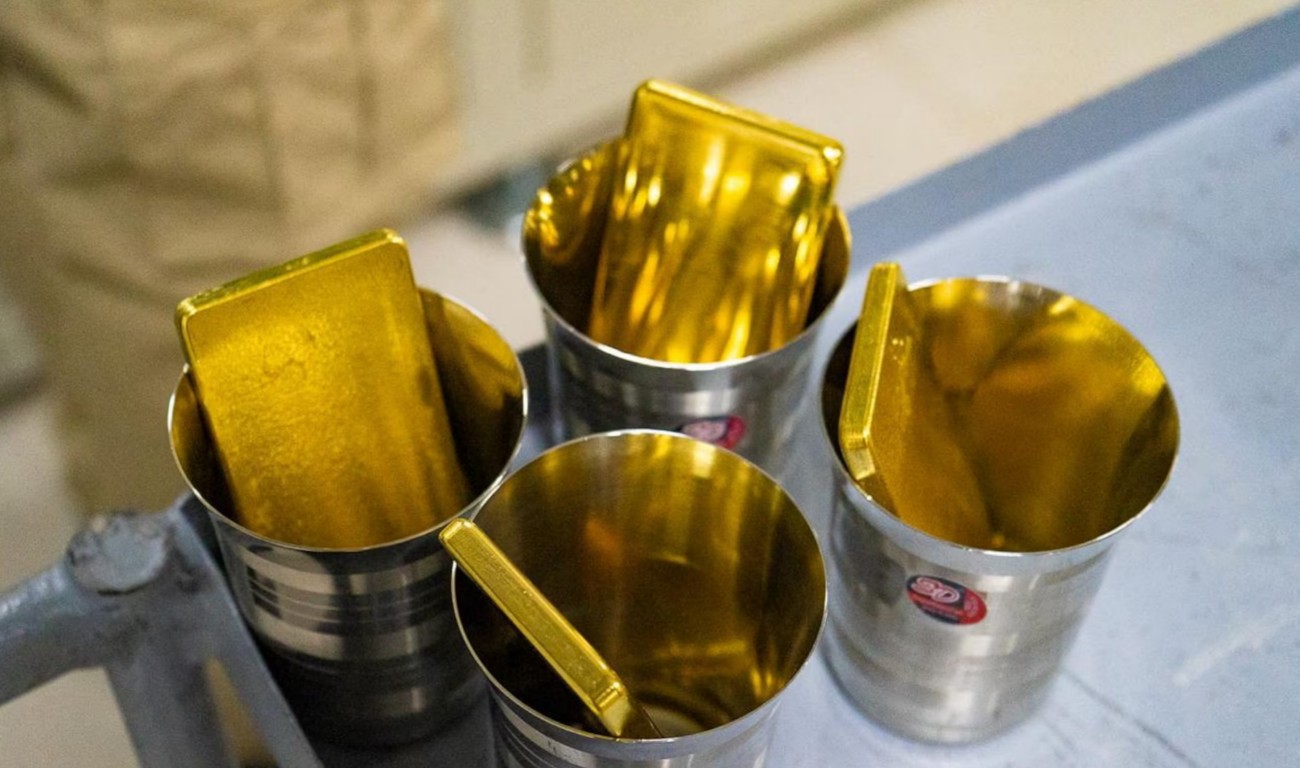

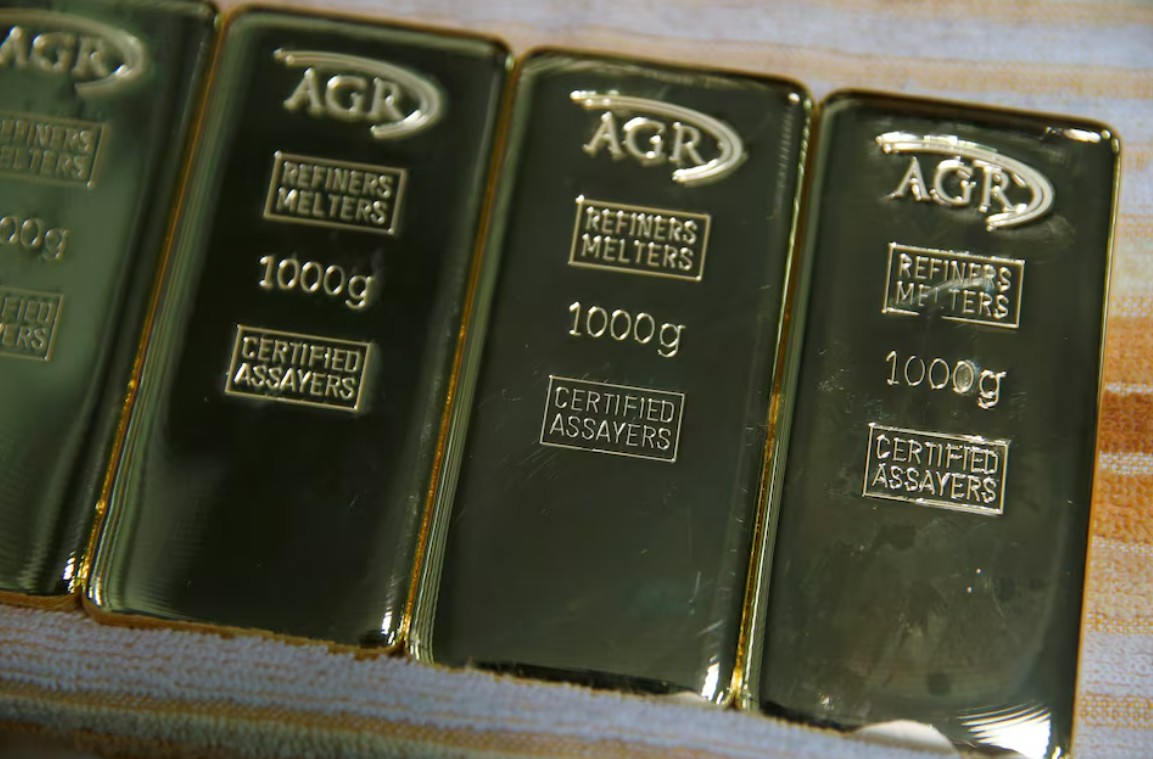
WASHINGTON (Realist English). Spot gold prices fell below $3,500 per ounce, hitting their lowest level in more than 15 months, after data showed accelerating US inflation and an upward revision to third-quarter GDP growth. As observers note, the market read the data as a signal that the Federal Reserve will maintain its hawkish course, sharply raising the opportunity cost of holding a non-yielding asset.
Trigger: inflation and the GDP revision
According to the US Bureau of Economic Analysis, the core PCE price index rose 0.3% month-on-month in October 2026, while the annual rate accelerated to 3.3%, beating the consensus forecast of 3.2%. Headline PCE accelerated to 3.8% year-on-year — the highest in almost three years. At the same time, annualized US GDP growth for the third quarter was revised upward to 4.3%, nearly double the second-quarter figure.
According to the CME FedWatch tool, the probability of a 25-basis-point rate hike at the December meeting rose to more than 96% after the data. The minutes of the October Fed meeting also showed that the overwhelming majority of participants considered further rate increases appropriate.
Double pressure: yields and the dollar
The yield on 10-year US Treasury bonds returned above 5%, two-year yields also rose, and the US dollar index climbed above 104. Dollar-denominated gold became more expensive for buyers using other currencies, while rising real yields on US Treasuries directly weakened gold’s relative appeal as a store of value.
An additional factor was the selloff in technology stocks linked to artificial intelligence. Some investors, seeking to offset equity losses or meet margin calls, were forced to sell gold positions to raise cash. David Meger, head of metals trading at High Ridge Futures, noted that such forced liquidation amplified the decline in the short term.
Scale of the drop
Since the start of the year, gold has lost more than 30% from its historic high (around $5,595 per ounce) reached in January. In the week ending November 20 alone, spot gold fell about 9.4% — its worst weekly performance since March 2026. Silver dropped more than 6%, falling below $50 per ounce; platinum and palladium also entered technically oversold territory.
Jewellery prices in China fell in tandem: according to local media, the per-gram price of gold jewellery at a number of brands has dropped by more than 500 yuan compared with the peak of the year.
Institutional positions: short-term pessimism versus long-term optimism
Goldman Sachs cut its targets twice during November: its end-2026 forecast from $4,650 to $4,150, and its end-2027 forecast from $5,400 successively to $4,800 and $4,650. The reason is the Fed’s shift toward a more hawkish stance. At the same time, the bank stresses that structural central bank demand for gold continues to support prices.
UBS cut its current-quarter forecast by 10% to $4,500 but maintains a long-term bullish view, expecting gold to reach $5,000 in the fourth quarter of 2027. The key rationale is the “debasement trade”: investors turn to gold out of concern that inflation and government debt are eroding their wealth.
World Gold Council data give long-term bulls ammunition: in the third quarter, global central banks bought 321 tonnes of gold, up 42% year-on-year and the highest since the fourth quarter of 2024. The People’s Bank of China increased its reserves by 63 tonnes in the third quarter, adding for eight consecutive quarters. As observers note, central bank gold purchases are usually price-insensitive and become especially active below $4,000, providing support from physical demand.
The nearest key moment is the Fed’s December rate meeting (December 8–9). If rates are raised and the dot plot signals further tightening next year, gold may continue to test support in the $3,400–3,500 range.
In the medium term, if signs of cooling inflation emerge or falling oil prices ease inflation expectations, expectations of a Fed policy pivot could trigger short covering and lead to a phased rebound.
JPMorgan expects the window for gold’s recovery to gradually open from the second quarter of 2027, but until then the direction of interest-rate policy remains the main variable for the precious metals market.