BERLIN (Realist English). On 31 October, the youth initiative “Gen Z regelt” is holding a nationwide protest. According to organizers, more than 160,000 people in 34 German cities have confirmed participation in the demonstrations. The actions are timed to Halloween, and authorities fear that the festive night could be used for unrest.
Demands of the protesters
Participants are calling for increased investment in education, healthcare and climate protection, as well as measures against the rising cost of living. A separate point is opposition to plans to reintroduce compulsory military service and medical examinations for young men. There are also demands to expand access to addiction treatment and psychotherapy, and against increased state control.
“The government has offered nothing but new cuts and an additional burden for us,” said 18-year-old Steve, who is due to speak at a rally in Munich. “We will continue to exercise our fundamental right to assembly until you stop ignoring us.”
Fears of unrest and authorities’ response
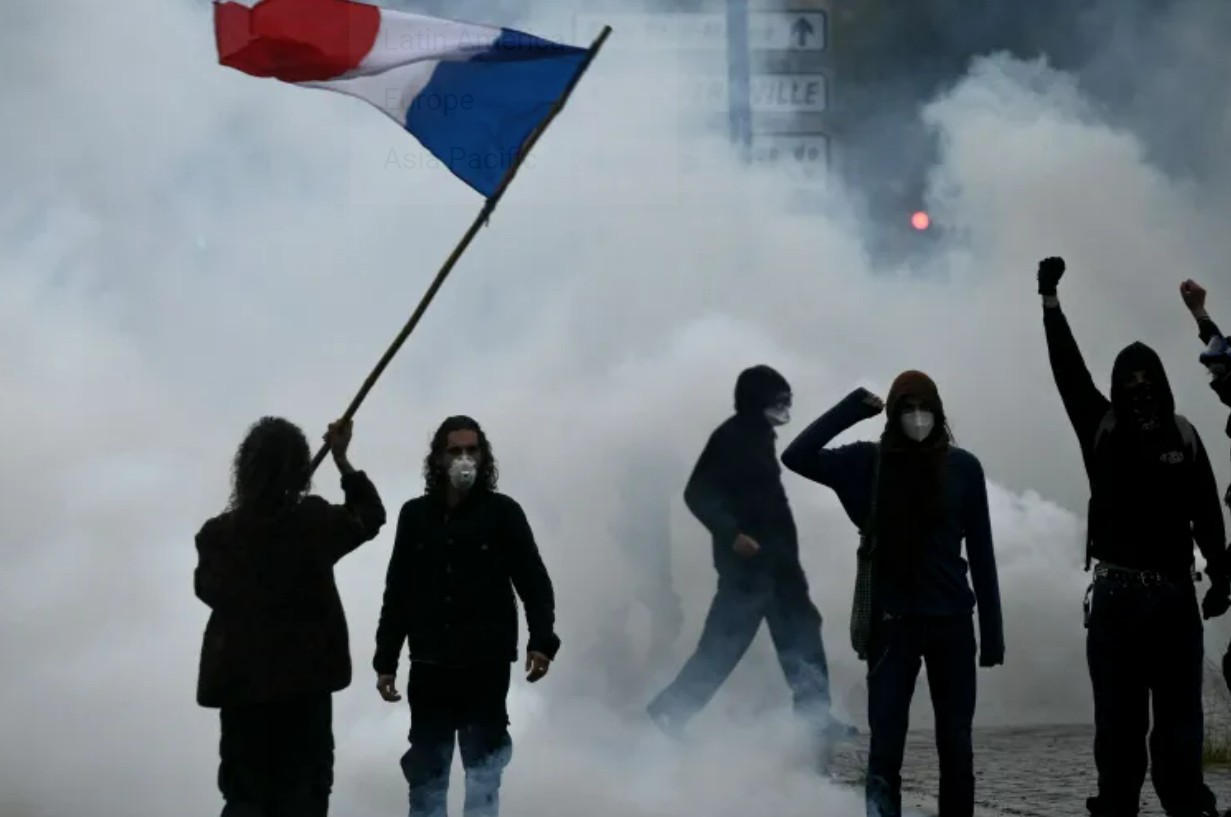
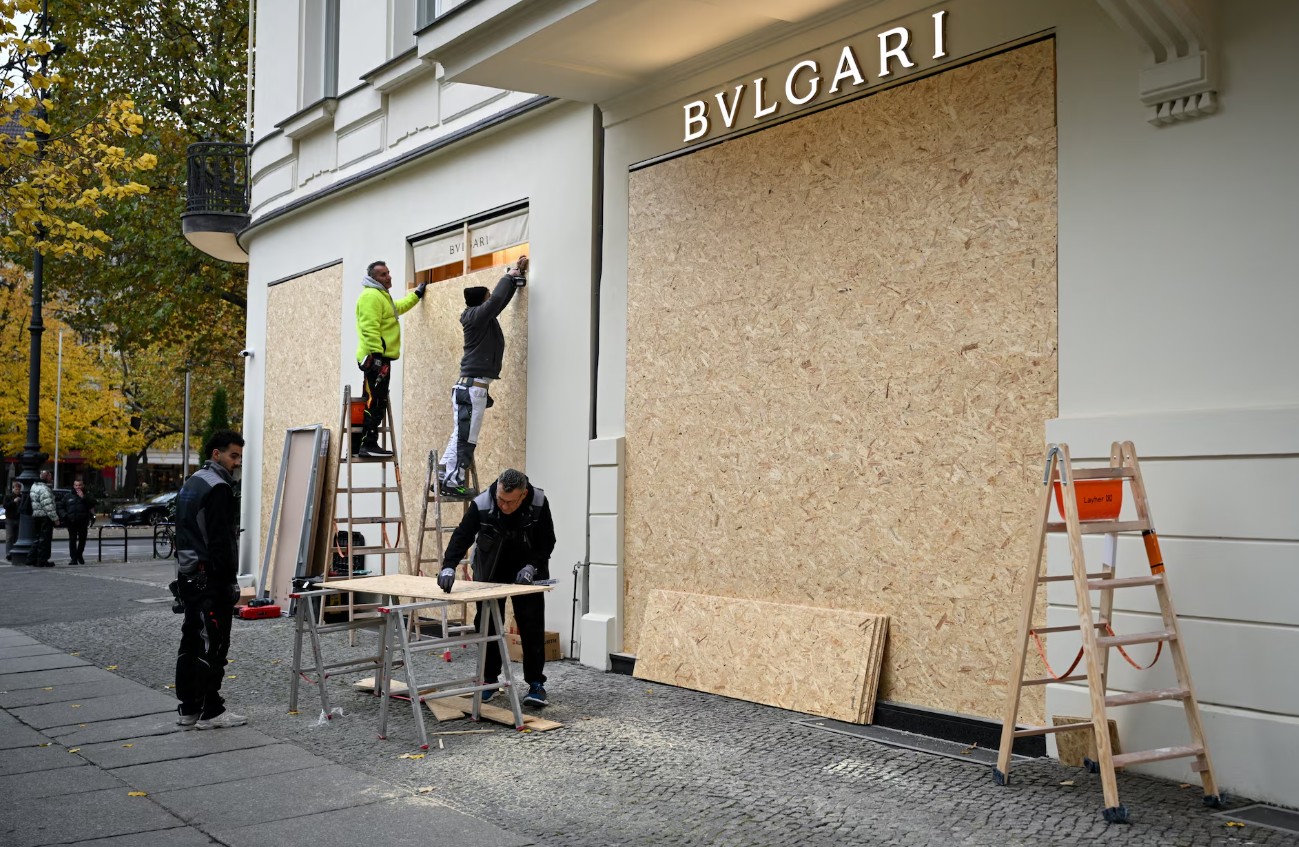
The protests are taking place amid fears that they could spiral out of control, following the example of France, where “Generation Z” actions have at times escalated into pogroms and clashes with police. Hesse Interior Minister Roman Poseck warned bluntly: “France must not serve as a model here.” In Berlin, some businesses on Kurfürstendamm boarded up their windows and planned to close early in anticipation of possible unrest.
The organizers of “Gen Z regelt” distance themselves from violence and call for peaceful protest. “We want to unite people, not set them against each other. Violence against people or property contradicts everything we stand for,” they stress.
Nevertheless, law enforcement warns of a possible attempt by far-left forces to use the actions for their own purposes. The Federal Ministry of the Interior had no data on planned violent actions as of Friday.
Criticism from other youth organizations
The “Gen Z regelt” initiative has also faced criticism within the youth movement. The Federal Student Conference (BSK) distanced itself from the actions, citing the opaque structure of the organizers, and plans to hold a separate day of protest on 20 November. “We distance ourselves from ‘Gen Z regelt’, but not from the students themselves, whose concerns are justified,” said BSK General Secretary Amy Kirchhoff.
The “Gen Z regelt” protests reflect the accumulation of structural pressure on the younger generation in Europe’s largest economy: an ageing population is increasing the burden on the pension system and public services, while economic growth remains sluggish. The organizers managed to mobilise an unprecedented number of online registrations for Germany — more than 160,000 people — which is itself a political signal.
However, the gap between the stated demands and the readiness of Friedrich Merz’s government to offer a substantive response remains significant. The key question today is not the number of people on the streets, but whether the actions remain peaceful and whether a one-off mobilisation turns into a sustained movement capable of influencing Berlin’s budget priorities.