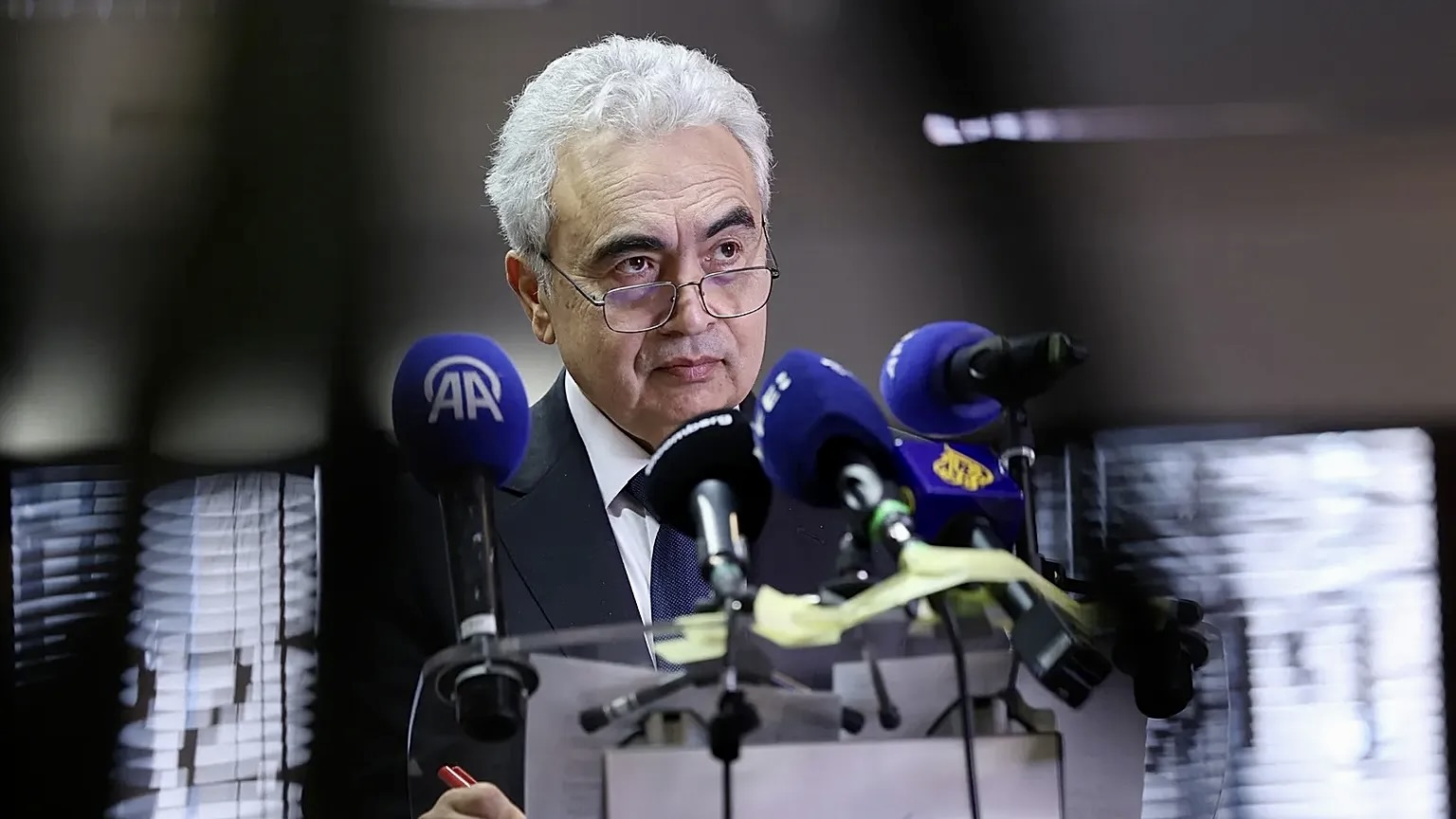
PARIS (Realist English). The head of the International Energy Agency (IEA), Fatih Birol, said in an interview with the Financial Times that Europe had made a “serious mistake” by failing to accelerate the transition to electrification of its economy after the 2022 energy crisis.
According to Birol, the electrification rate in the European Union stands at only about 23%, which is holding back the bloc’s competitiveness and economic sovereignty.
“This is, in my view, a serious mistake for Europe. Overall, I had hoped and expected that Europe would respond to this crisis more decisively,” the Financial Times quoted him as saying.
Falling Behind Competitors and Dependence on Imports
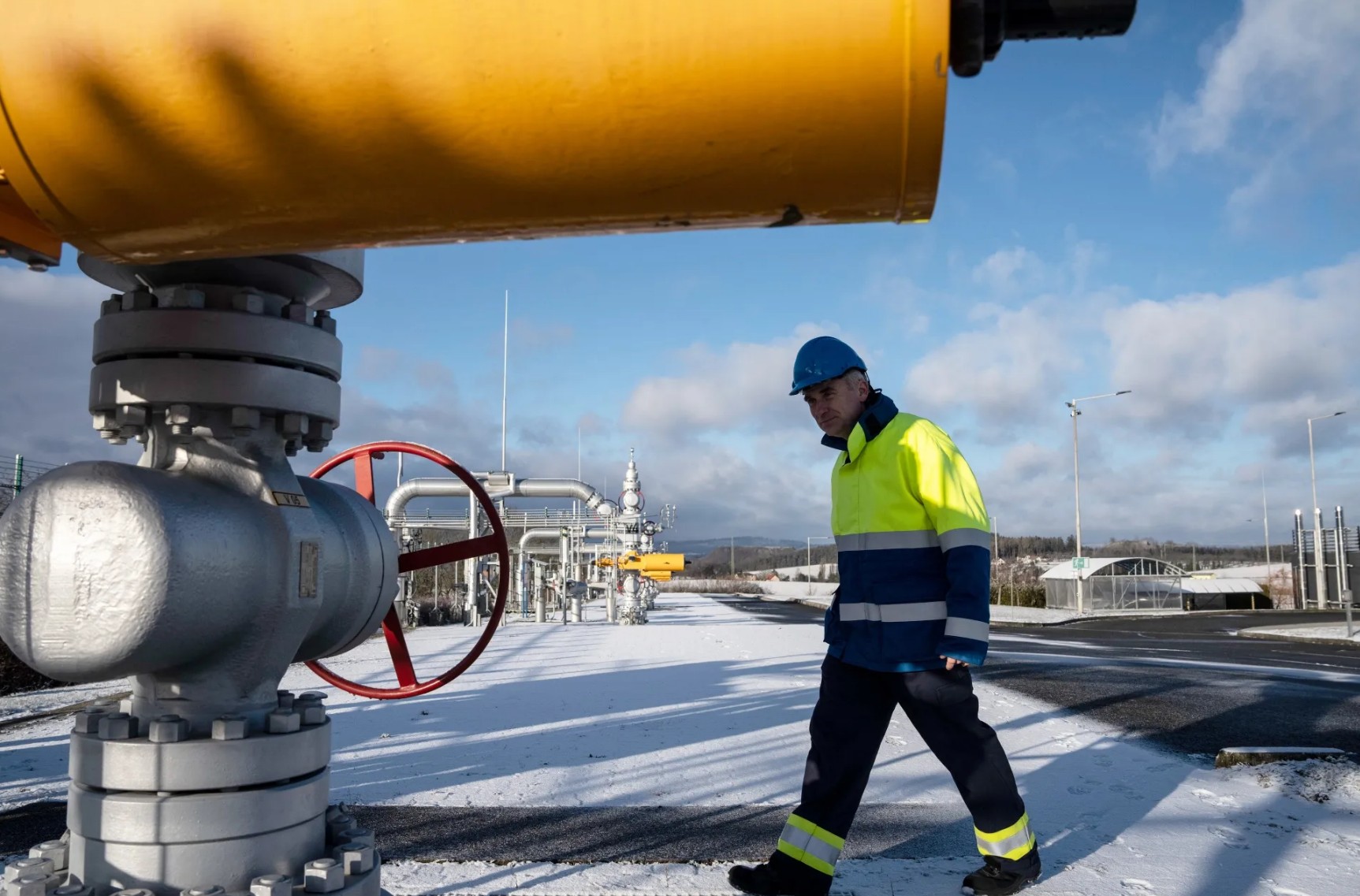
Birol stressed that the EU’s electrification rate remains comparable to that of major oil producers such as the US, which are virtually self‑sufficient in fossil fuels. At the same time, Europe is forced to import most of its hydrocarbons, making its economy vulnerable to external shocks.
As a model to follow, the IEA chief cited China, Japan and South Korea, where the electrification rate exceeds 30%. In his view, to stimulate the shift to electricity, it must be made cheaper than fossil fuels: “People will switch to electricity not because it is clean, but because it is cheap.”
European Commission Prepares a Plan but Admits Vulnerability
EU Energy Commissioner Dan Jørgensen acknowledged that the EU’s electrification rate has been stagnating for about a decade. He also said that since the start of the conflict in the Middle East, Europe has overpaid €35 billion for energy. Despite diversifying supplies, the EU remains vulnerable to economic shocks.
On July 17, the European Commission is expected to present an electrification strategy that should serve as a driving force for achieving energy sovereignty. According to the draft plan, by 2040 electrification could save around €200 billion on fossil fuel imports, reduce demand for them and cut greenhouse gas emissions.
Jørgensen also stressed that Europe should not view the temporary ceasefire in the Middle East as a return to normality: disruptions in the Strait of Hormuz could sharply raise oil prices and fuel inflation.
The Hormuz Crisis and Rejection of Russian Gas
Birol warned that the closure of the Strait of Hormuz — through which a significant portion of global oil supplies pass — could have “serious consequences for economies.” In his view, uncertainty in the energy sector is now linked not to the sector itself, but to politics and conflicts in the Middle East.
Despite the threats, both leaders ruled out a return to importing Russian gas, calling it a repeat of one of the continent’s “biggest strategic mistakes.”
The IEA chief concluded that Europe missed its window for a decisive energy transition after 2022 and is now forced to catch up with China and Japan amid new geopolitical turbulence. The upcoming European Commission strategy, according to its architects, is intended to be the answer to this challenge.