DAMASCUS (Realist English). The International Atomic Energy Agency (IAEA) has officially confirmed that the site in Syria’s Deir ez‑Zor province, destroyed by Israeli warplanes in September 2007, was an under‑construction nuclear reactor. The conclusion is contained in a confidential agency report obtained by AFP.
“Based on observations made by the agency at the Deir ez‑Zor site, the IAEA confirms that the cooling infrastructure found is consistent with a nuclear reactor,” the document states. The report also notes that the former Syrian authorities “did not declare nuclear material, facilities and activities” as required under the Nuclear Non‑Proliferation Treaty (NPT).
“Operation Orchard”: The Bombing Denied for 11 Years
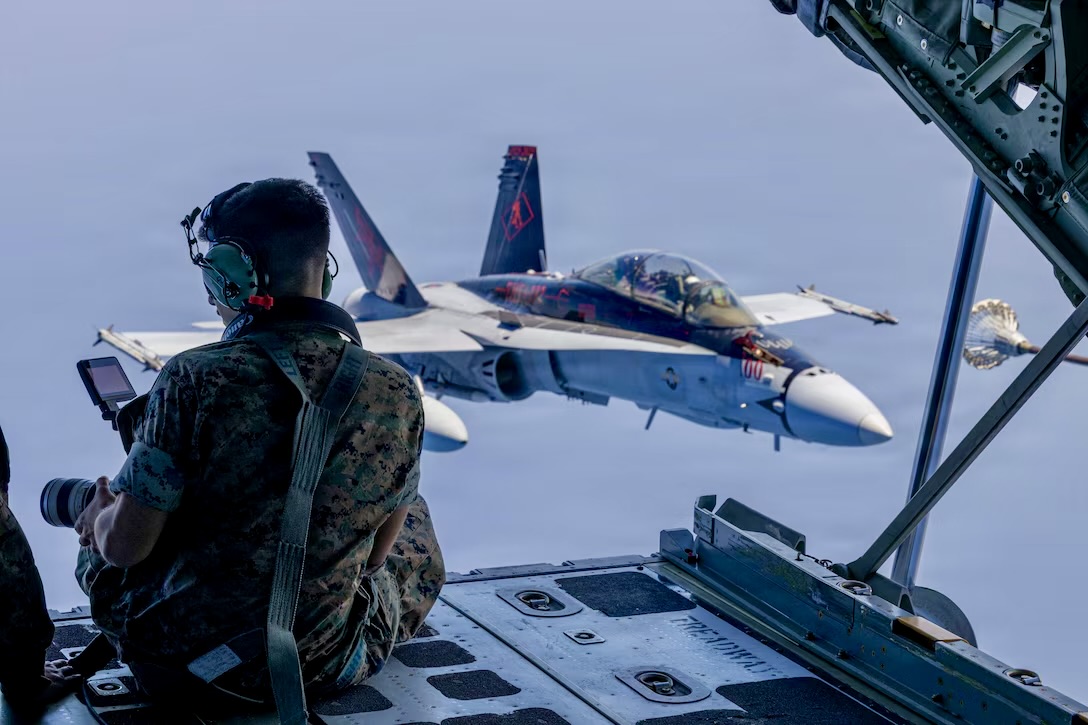
On the night of September 6, 2007, Israeli warplanes struck a site in the Syrian desert known as Al‑Kibar. The operation, codenamed “Operation Orchard,” remained one of Israel’s most closely guarded secrets for years. Jerusalem officially denied involvement for more than a decade — in part to avoid retaliation from Damascus. It was only in 2018 that Israeli military officials formally confirmed they had destroyed the reactor.
As early as 2008, the United States accused Syria of attempting to build a secret nuclear reactor and confirmed that Israel had destroyed it in the airstrike. In 2011, the IAEA stated that the site was “very likely” a nuclear reactor built with North Korean assistance. However, final confirmation came only now, after Syria’s new government granted inspectors access to the site.
IAEA Report: Reactor, Fuel Plant and 73 Tonnes of Uranium
Beyond confirming the reactor’s status, the IAEA report contains even more explosive details. The agency determined that a gas‑cooled graphite reactor was under construction at the Deir ez‑Zor site. In addition, the IAEA found:
| Object / Material | Description |
| Nuclear fuel fabrication plant | A facility where reactor fuel was manufactured |
| Nuclear material storage | Storage for fuel, uranium scrap and waste |
| Natural uranium | Approximately 73 tonnes, including 55 tonnes of fuel rods and uranium scrap |
New Syria Cooperates: Grossi’s “Courageous Decision”
The key factor enabling the IAEA to reach its final conclusions was the cooperation of Syria’s new government. On July 17, 2026, Damascus sent an official letter to the agency, voluntarily declaring the presence of nuclear materials at an undeclared site left over from the government of Bashar al‑Assad.
In August 2026, IAEA inspectors visited two sites in Syria: one in Deir ez‑Zor and a second related to the nuclear materials identified by the Syrian side. IAEA Director‑General Rafael Grossi personally visited the bombed site, where excavations are ongoing, and called Damascus’s decision “courageous.”
“We are turning the page, but that does not mean forgetting the past,” Grossi said. In the report, he welcomed “Syria’s transparency and cooperation with the agency.” Syria has already provided the IAEA with nuclear material accounting reports and design information on the facilities.
What Will Happen to the Uranium? Syrian Sovereignty and International Safeguards
Despite the discovery of tonnes of nuclear materials, the IAEA does not plan to immediately remove them from Syria. Grossi stated that the materials would be inventoried and placed under “international safeguards.”
Syrian Foreign Minister Asaad al‑Shaibani confirmed that the nuclear materials “will remain in Syrian national ownership and will be subject to the agency’s safeguards system.” He also asserted Syria’s “sovereign and legitimate right” to a peaceful nuclear programme.
The Truth That Came Too Late
The IAEA report provides final confirmation that Israel did indeed destroy a nuclear reactor 19 years ago, rather than some other type of facility. However, this conclusion has come too late for the Assad government — and too late to influence the course of events in the Middle East.
An open question remains: what will happen to the 73 tonnes of uranium left in Syria? Will the country’s new government, which has acknowledged Assad’s nuclear legacy, be able to use these materials for peaceful purposes under IAEA control, or will they become the subject of a new round of bargaining between Damascus, Tehran, Jerusalem and Washington?
For now, the IAEA and Syria are pretending to “turn the page.” But that page was written in blood, secrets and years of deception. How quickly it can be turned depends not only on Damascus’s goodwill, but also on the international community’s willingness to believe in the sincerity of Syria’s “transparency.”