TOKYO (Realist English). The Finance Ministry’s proposal exceeds the current five-year plan of 43 trillion yen but is significantly below the 80 trillion yen that representatives of the Ministry of Defense and the ruling Liberal Democratic Party (LDP) had counted on in talks with contractors. It is this gap, according to sources, that has already led to warnings to defense companies about “deep cuts” in expected orders.
Scale of possible cuts
According to Reuters sources, the revised spending proposal could mean cutting up to half of planned purchases of certain missiles and aircraft, including US-made F-35 fighter jets, from both domestic and foreign suppliers.
At the same time, orders for combat drones, according to one interlocutor, will not be affected. Japan’s largest defense contractors — Mitsubishi Heavy Industries, Mitsubishi Electric and Kawasaki Heavy Industries — declined to comment or did not respond to requests.
Reasons: fiscal compromise
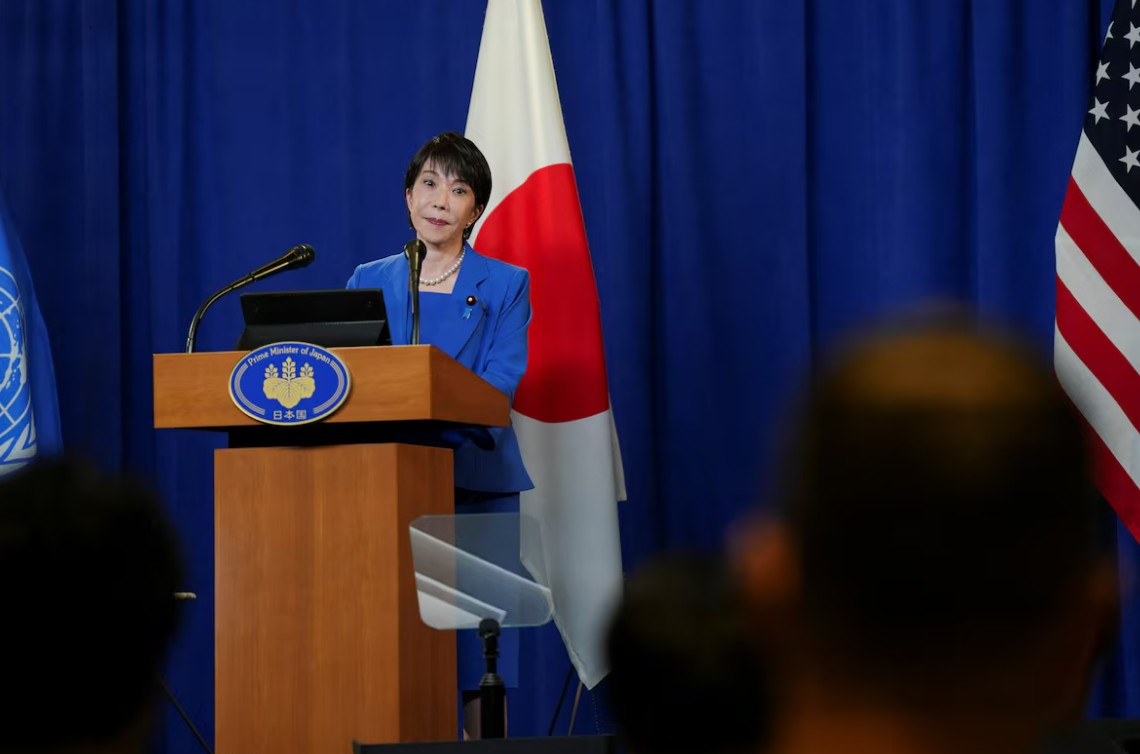
The Finance Ministry justifies its position by the need to fund Prime Minister Sanae Takaichi’s pre-election commitments — stimulating economic growth and cutting the consumption tax on food. The latter will create an annual revenue shortfall of 4.3 trillion yen, which will have to be covered from other sources, potentially including foreign exchange reserves.
Finance Minister Satsuki Katayama told journalists that the advisory council on security and defense “has not yet discussed issues at such a level of detail,” and declined further comment. The Defense Ministry, in turn, insists that “nothing has been decided” regarding the size of the next buildup plan.
Political divide and US pressure
The Finance Ministry’s proposal is likely to meet resistance from LDP hawks. One ruling party representative called the figure of 50 trillion yen “out of the question,” given the need to deter “any unforeseen situation.”
At the same time, the US is demanding that allies increase spending: the 2026 US National Defense Strategy calls for spending 3.5% of GDP on the armed forces and another 1.5% on related security needs. Under the proposed budget, Japan will not be able to reach even its own target of 2% of GDP, which it had planned to achieve ahead of schedule.
The situation reflects a fundamental contradiction between the ambitious military buildup program that Tokyo is pursuing amid growing tension over Taiwan and pressure from Washington, and severe fiscal constraints exacerbated by the prime minister’s pre-election promises.
Cutting orders in half on key items is not just a technical adjustment but a signal to suppliers and allies that the “unlimited growth” in defense spending they had counted on may prove illusory. The key question is whether Takaichi’s government can find a balance between Washington’s expectations and the Finance Ministry’s demands, or whether the battle over the next five-year plan will become decisive for Japan’s entire defense strategy for years to come.