WASHINGTON (Realist English). The poll, which surveyed 1,705 US adults, including approximately 500 registered voters from each party, was completed on Monday, 10 November. The margin of error for Republican and Democratic voters is 5 percentage points.
Republicans: Rubio slightly ahead of Vance
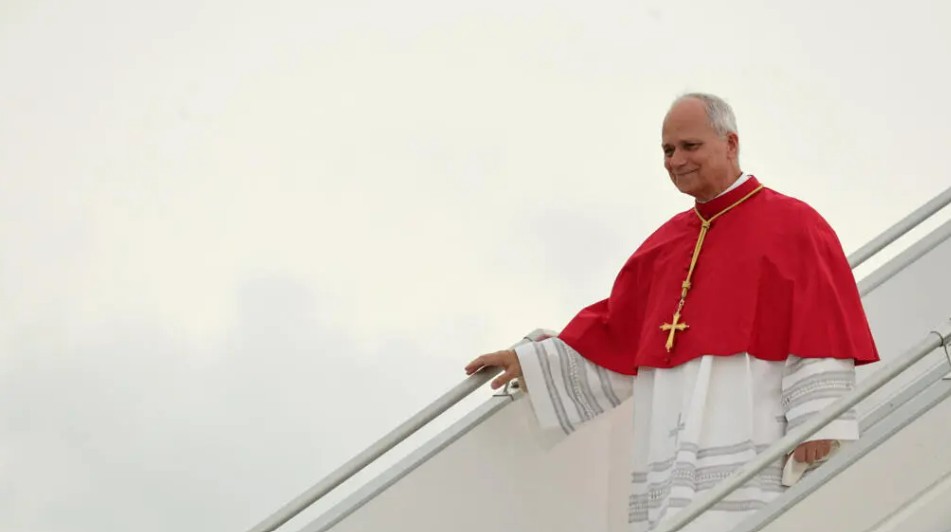
Among Republican voters, 45% named Secretary of State Marco Rubio an “excellent” presidential candidate. Vice President JD Vance received the same rating from 43% of respondents. Florida Governor Ron DeSantis rounds out the top three with 32%.
Slight but growing dissatisfaction with Trump among Republicans is linked to the president’s decision to start a war with Iran, which has driven up fuel prices. Notably, Rubio, as the country’s top diplomat, has distanced himself noticeably from the so-far unsuccessful peace talks with Iran, while Vance has publicly indicated that the Republicans’ midterm defeat was due to the war. Trump himself, according to sources, has asked allies whom they prefer — Vance or Rubio — and in an interview with CBS said he “does not necessarily” have to make an endorsement in the primaries.
Democrats: Ossoff and Buttigieg share the lead
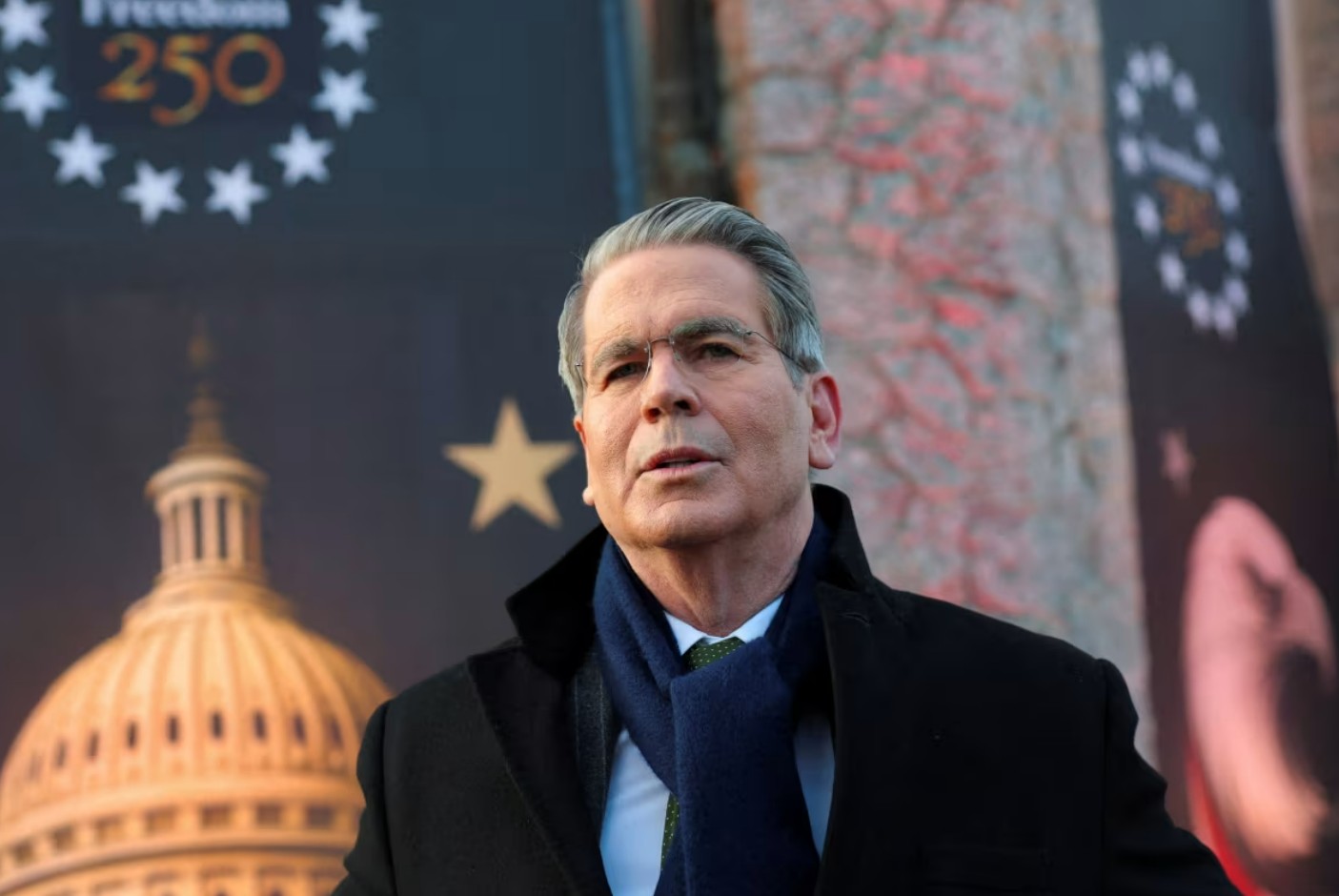
In the Democratic camp, Georgia Senator John Ossoff and former Transportation Secretary Pete Buttigieg each received 29% of Democratic voters’ support, who rated them as “excellent” candidates.
Ossoff has drawn attention in recent months with unusually direct rhetoric toward Trump, calling him corrupt and unfit for office. Last week he won re-election in Georgia by an 18-point margin — in a state Trump won by 2 points in 2024. Buttigieg, meanwhile, is better known nationally from his 2020 campaign: about one in five Democrats said they had never heard of him.
Trump and the party divide
President Donald Trump, whose approval rating is near its lowest levels of his career, remains a central figure for both parties. Republicans are divided on whether they want a candidate who breaks with Trump or follows in his footsteps. Democrats, energized by the Republicans’ defeat in the 3 November elections, are also not united on how aggressively to act against the president, including possible impeachment.
The Reuters/Ipsos poll captures an early but indicative balance of power: the Republican Party, despite continued support for Trump, shows a demand for a “less confrontational” candidate — Rubio is seen as a safer alternative to Vance among part of the electorate weary of war and its economic consequences.
In the Democratic Party, the lead of Ossoff and Buttigieg reflects a search for a new generation of politicians capable of converting post-election momentum into a long-term campaign. The key question is whether this configuration will hold once candidates begin official campaigns, or whether the war with Iran and its consequences will reshape voter preferences long before 2028.