LONDON (Realist English). Microsoft has withdrawn from a deal with British data center operator Nscale to place computing capacity in Essex. The Telegraph reports this, without naming a specific reason for the withdrawal but pointing to a series of project delays and a lack of power supply until the 2030s.
What happened
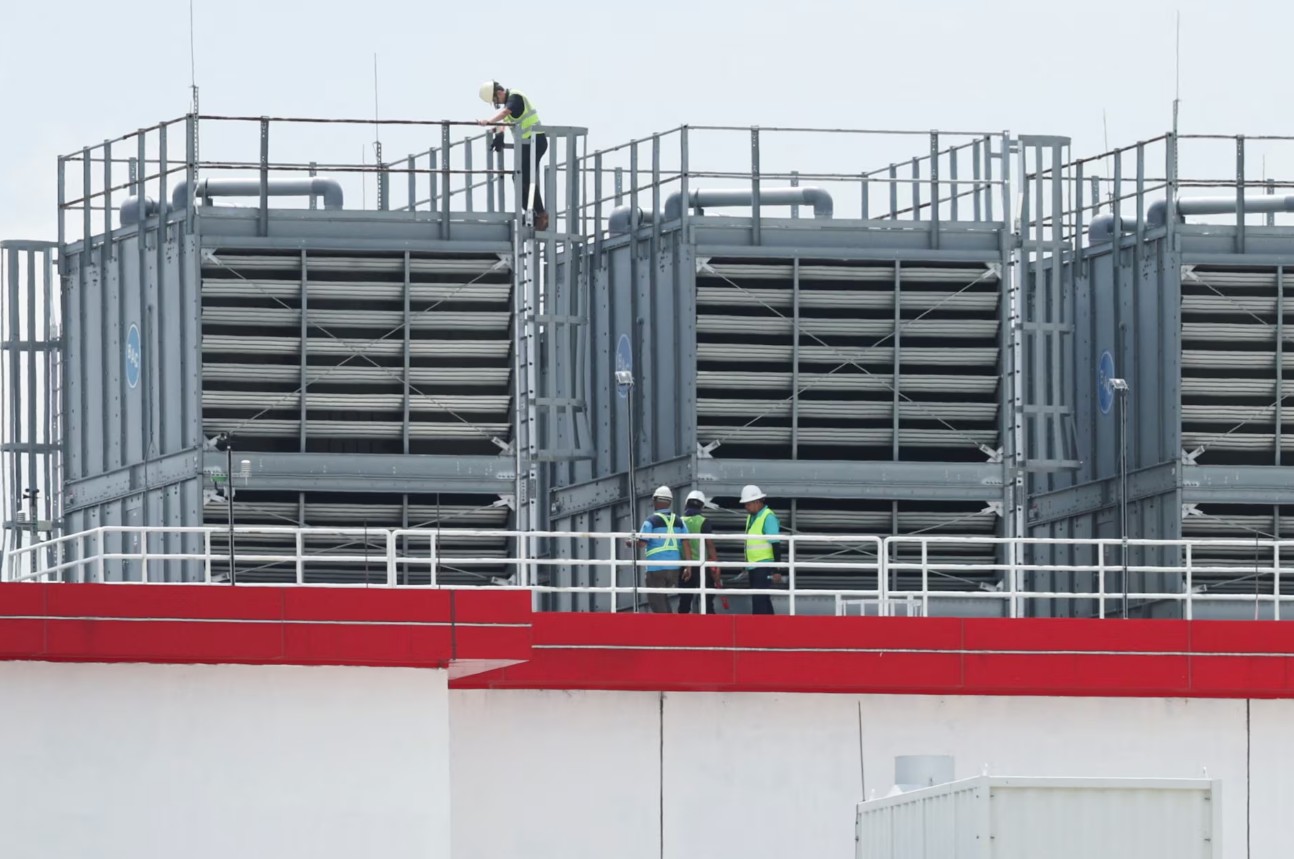
Microsoft was one of Nscale’s two largest clients and was to become the anchor tenant of the company’s first British data center in Loughton, Essex. The agreement provided for the lease of 23,000 Nvidia AI chips.
The project, which was supposed to go live next year, was repeatedly postponed: grid operators notified Nscale that power supply is expected only in the 2030s.
Microsoft was the only publicly confirmed client of the facility. After its departure, the site remains in an uncertain state.
Blow to the IPO
Microsoft’s decision threatens Nscale’s plans to list on Wall Street with a valuation of up to $35 billion. The company, founded two years ago by Australian entrepreneur Josh Payne, aims to become the most valuable British AI startup. Its board includes former Facebook executives Sheryl Sandberg and Nick Clegg, and Nvidia is among its investors.
Nscale accounts for more than 40% of Microsoft’s $103 billion in contracted revenue, although the British project, according to sources, represents only a small part of that volume. The second key client is Anthropic.
AI infrastructure selloff
Microsoft’s withdrawal coincided with a sharp selloff in the AI infrastructure sector. Investors fear that data center operators will be unable to service their debts amid rising rates and inflation. Earlier this month, Australia’s Firmus canceled a $20 billion IPO, and shares and bonds of CoreWeave and Nebius fell sharply. Gartner warned that up to $3.5 trillion in AI investments could be written off by 2030 if the industry fails to meet expectations.
Nscale’s position
A Nscale representative said the company “remains committed to the Loughton project and the UK market,” is seeking alternative energy sources, and is planning other sites. “Our relationship with Microsoft remains strong and long-term, and this London-wide grid issue does not affect our other contracts.” Microsoft declined to comment.
Microsoft’s withdrawal exposes a structural problem for Britain’s AI plans: data center construction is hitting a wall not over chip demand but over power grids. If grid connection takes up to ten years, no investment commitments — including the £22 billion promised by Microsoft during Trump’s visit — can guarantee the launch of a facility.
For Nscale, this is a test of the resilience of a business model built on large contracts without a track record in construction. The company’s IPO will be a test for the entire “neocloud” sector: are investors willing to finance companies whose revenue depends on a few giants and whose costs depend on energy availability and interest rates?
For Britain, which positioned the project as a symbol of its AI ambitions, this is a signal: without solving the power supply problem, the country risks remaining on the periphery of the global AI race, regardless of the volume of promised investment.