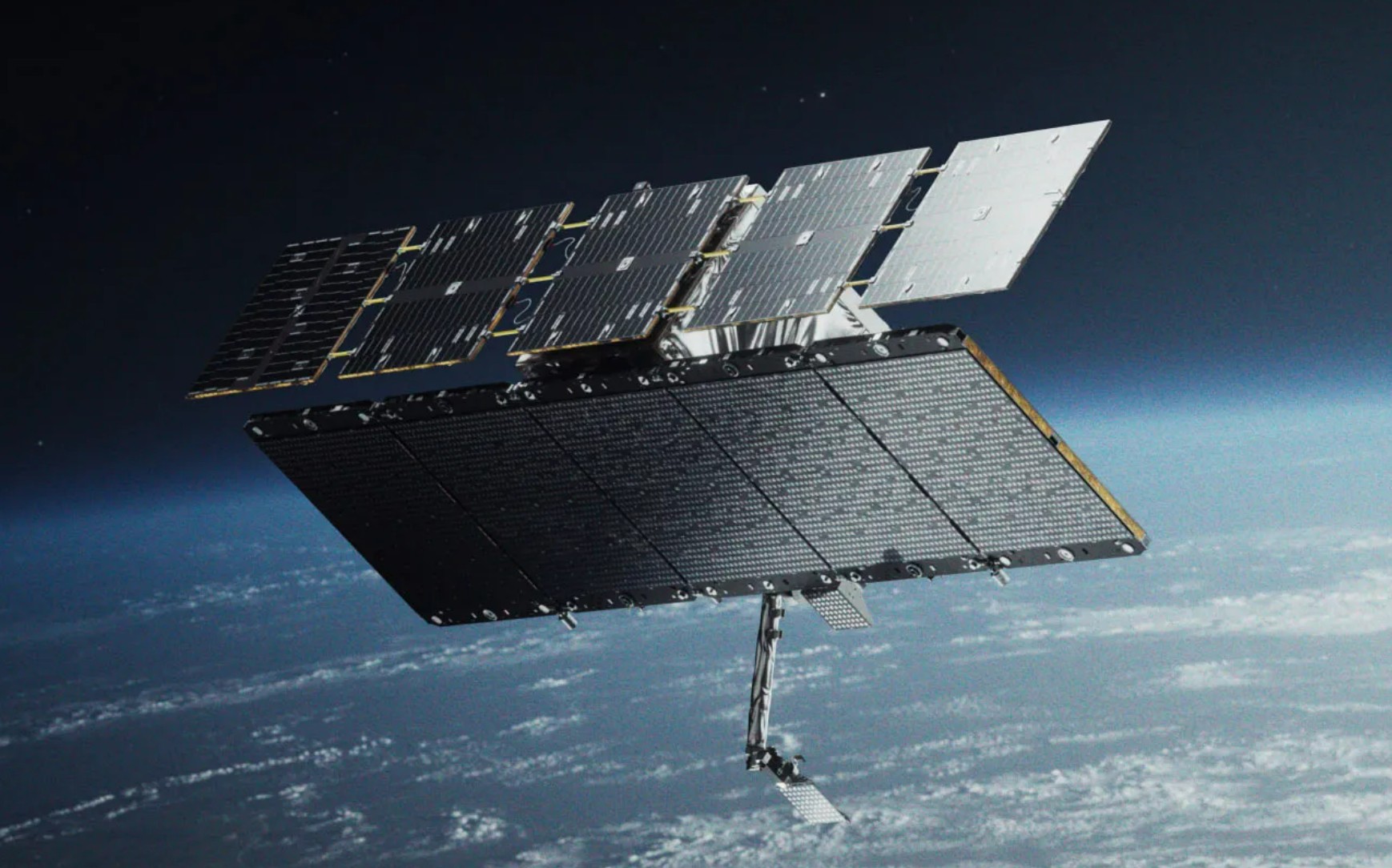
IZMIR (Realist English). NATO has announced the launch of the multinational space initiative STARLIFT at the NATO EDGE 26 conference in Izmir, Turkey. According to the alliance’s press release, the programme is intended to ensure reliable access to space for military purposes — communications, navigation, intelligence and early warning.
Participants and financing mechanism
Ten NATO countries — Belgium, Canada, Finland, Germany, Italy, the Netherlands, Norway, Sweden, Turkey and the United Kingdom — as well as the Republic of Korea have committed to financing the initiative through the NATO Support and Procurement Agency (NSPA). The corresponding agreement was signed on 29 October at a meeting of national armaments directors.
How STARLIFT works
The initiative, under development since 2024, will provide military users with a booking service for seats on commercial rockets through a network of launch sites in NATO countries and South Korea. As NATO Deputy Secretary General Radmila Shekerinska explained, the alliance is contracting commercial rockets and launch sites to expand the satellite launch network and mitigate risks to the space systems it relies on.
In addition to booking, STARLIFT will serve as a platform for developing and testing rapid-response concepts, including urgent satellite launches. Coordination of air and sea traffic is to ensure the safety of both scheduled and short-notice launches.
Pooling demand and coordinating requirements, according to the alliance’s design, will improve access to launch services and support investment in the industry. Through STARLIFT, European allies and Canada are taking greater responsibility for shared security in space, strengthening transatlantic cooperation and deterrence.
Space as an operational domain
Space was recognised as a NATO operational domain in 2019. Satellites provide communications, navigation, intelligence and early warning. At the same time, the alliance stresses that it does not intend to become an independent space player or develop its own space capabilities, but relies on the capabilities, data and services of member states and the private sector.
As observers note, the key feature of STARLIFT is its reliance on the commercial sector while the military customer remains the demand coordinator. This reduces dependence on a limited number of launch providers and creates incentives for investment, but the sustainability of the model will depend on the willingness of commercial operators to guarantee priority access for military needs and on the alliance’s ability to coordinate requirements among ten countries and South Korea.
For the European space industry, the immediate effect will be most noticeable primarily in launch site utilisation and competition for NSPA contracts — and that is precisely where it is most sensitive for building access to space independent of external suppliers.