BAKU (Realist English). July 2026 became yet another month of systematic pressure on the opposition, journalists and human rights defenders in Azerbaijan.
According to human rights groups, as of May 2026, the country had 328 political prisoners.
The authorities are methodically “cleansing” the political landscape: arrests, fabricated charges, in‑absentia convictions and pressure on prisoners have become routine tools for keeping power in the hands of the Aliyev clan.
Opposition figure caught at border with ‘undeclared’ $12,000
On 7 July, Gozel Bayramli – deputy chair of the opposition Popular Front Party of Azerbaijan (PFPA) – was arrested. She was detained at the border with Georgia after authorities allegedly discovered $12,000 in her luggage that had not been declared.
The party called the arrest “illegal” and compared it to “Soviet‑era repression of dissidents.” PFPA leader Ali Kerimli, who is himself under investigation, claimed that someone “planted” the money in Bayramli’s bag. If found guilty, she faces up to five years in prison.
The authorities, as always, deny any political motive. But experience shows that any “violation” becomes a convenient pretext for isolating the unwanted.
The ‘Toplum TV’ case: a ‘Soviet‑style’ verdict
In July, the Baku Court for Grave Crimes continued the trial in the “Toplum TV case” – one of the most high‑profile political trials in recent years.
On 20 July, one of the defendants, Akif Gurbanov, head of the Institute for Democratic Initiatives, delivered his final statement in court. He compared Ilham Aliyev’s regime to the “Soviet” one and said the authorities would not be able to “erase the ideas of the republic.” Gurbanov called the charges politically motivated and noted that the current leadership has no need for independent media or a fair judicial system.
The “Toplum TV case” began in March 2024 with searches at the offices of the independent online television channel. Initially, the defendants were charged with currency smuggling, but the prosecution later added more serious financial charges. The ten defendants face sentences ranging from 6 to 16 years in prison.
PFNA activists ‘mowed down’ in batches
The Popular Front Party of Azerbaijan, one of the few genuine opposition forces, once again came under fire in July.
Kenan Zeynalov, a 59‑year‑old activist and bodyguard to party leader Ali Kerimli, has been in pre‑trial detention since 21 March. On 23 July, the prosecutor demanded he be sentenced to 10 years in prison. The formal pretext was a stabbing during a personal conflict. However, the defence stated that the prosecution had not presented credible evidence, and the court was refusing to question witnesses. Zeynalov’s party colleagues are convinced the case was fabricated.
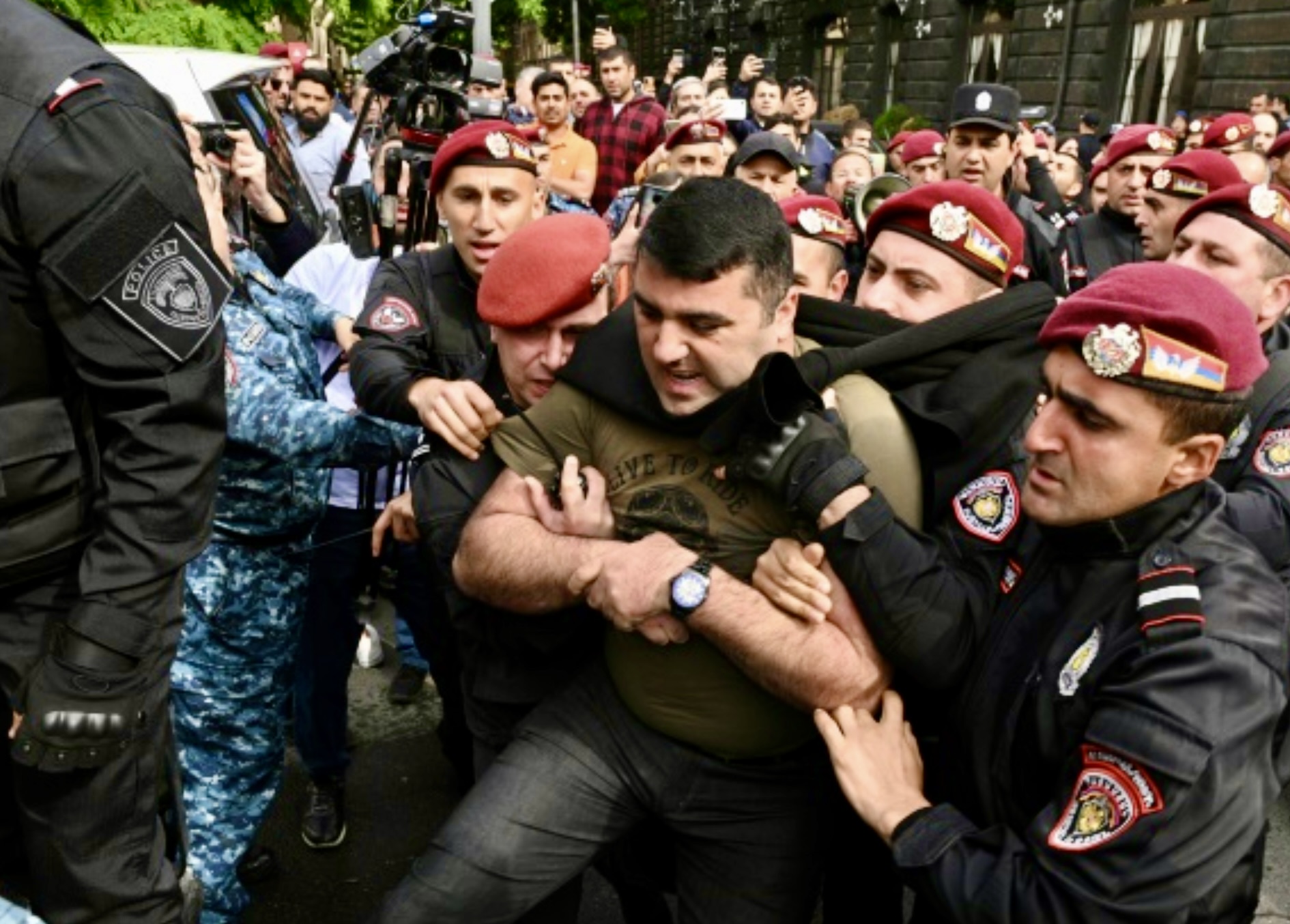
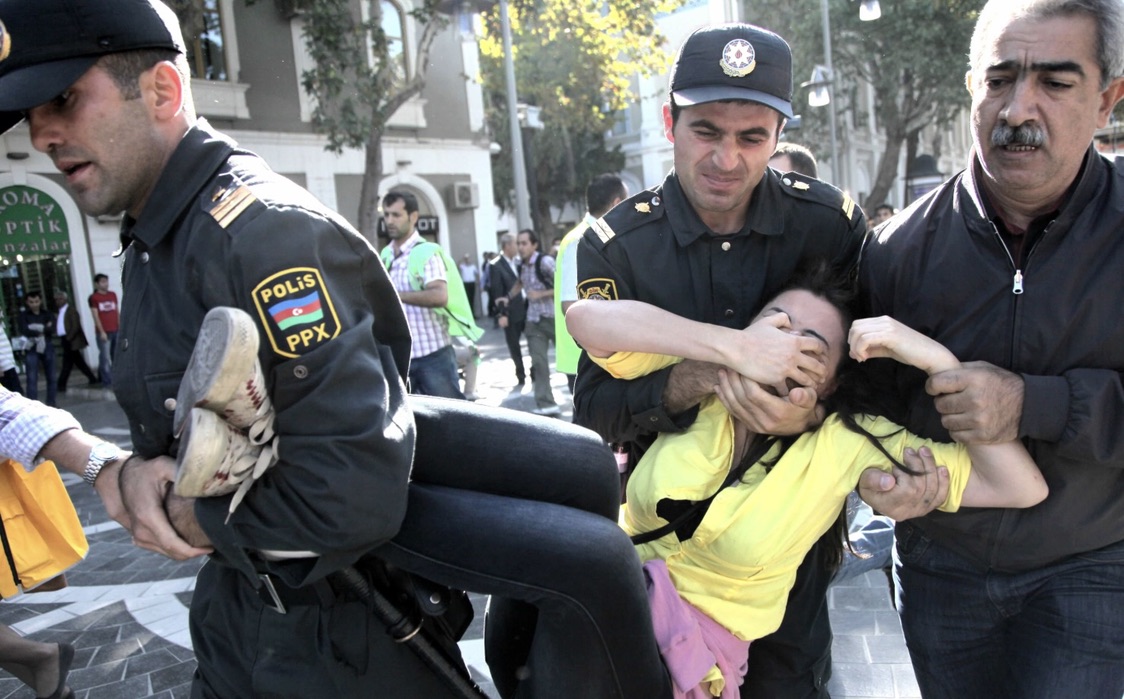
At the end of July, another PFNA activist, Kenan Ismail, was arrested for 30 days on an administrative charge of disobeying police. His colleagues called the charge “far‑fetched and politically motivated.” As the party noted, PFNA activists “are regularly subjected to administrative arrests.” The scenario is always the same: a person disappears, relatives don’t know where they are for days, then it turns out they’ve been arrested on a dubious charge.
Revenge for a letter to Brussels: pressure on prisoners
The European Commission continues to turn a blind eye to what is happening in Azerbaijan, and the Baku authorities, feeling immune from consequences, are tightening repression. In July, several prisoners from Correctional Institution No. 6 who had sent an appeal to European Commission President Ursula von der Leyen faced increased pressure.
They are being denied newspapers and books, their complaints are not being addressed, and one activist, Yashar Agazade, was placed in solitary confinement for more than two weeks. Relatives of the prisoners note that whenever international pressure eases, the authorities step up repression.
“Ignoring the rights of hundreds of political prisoners, journalists and activists in favour of energy and economic interests contradicts Europe’s own values,” one relative said.
Talysh activist: a social media repost = criminal case
On 31 July, a hearing was held in Baku in the case of Talysh activist Kyamal Isayev, who is charged under three articles of the Criminal Code, including “public calls against the state” and “inciting ethnic hatred.” He faces up to 8 years in prison.
The court heard that the reason for the prosecution was… reposts on social media. Isayev explained that he had shared other users’ posts and did not endorse their content. When asked why he reposted a claim that “Turks are a migrant population in Azerbaijan,” Isayev replied that it was a matter of scientific debate. His lawyer called the charges vague and contrary to the right to freedom of expression. The Union “For the Freedom of Political Prisoners in Azerbaijan” recognised Isayev as a political prisoner.
Ukraine refuses to extradite opposition figure to Baku
On 30 July, the Shevchenkivskyi District Court of Kharkiv released Azerbaijani opposition figure Bakhruz Hasanli from custody. He had been detained on 27 July at Baku’s request.
Hasanli, a member of the PFPA, lives in Ukraine as a political emigrant. He stated that the fraud charges against him are “completely fabricated and political in nature.” The PFPA hopes that Ukraine will ultimately refuse extradition.
International reaction: resolutions exist, but no pressure
In July, Azerbaijan’s parliament condemned a US bill that used the terms “prisoners of war” and “political prisoners.” Baku, as usual, rejected all accusations. In response to criticism from PACE, Ilham Aliyev threatened a complete withdrawal from the Council of Europe. Such a move only confirms that the regime has no intention of being accountable or changing.
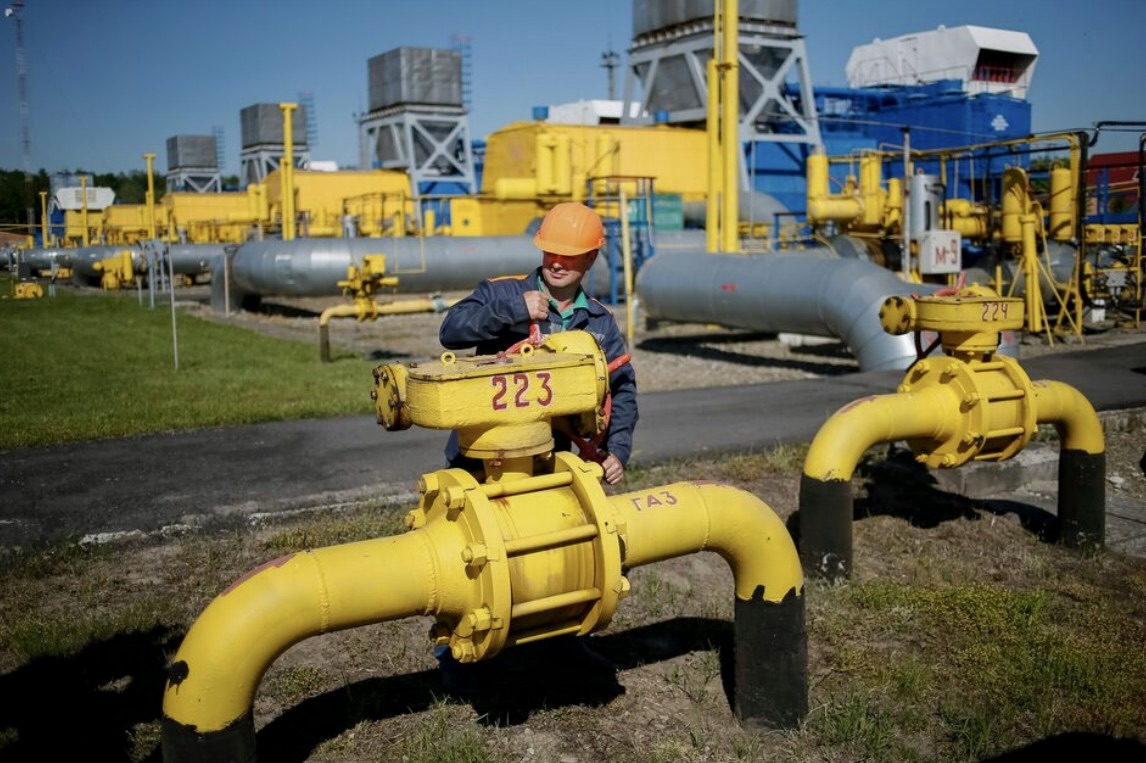
The European Parliament adopted a resolution in December 2025 calling for sanctions against Azerbaijani officials involved in repression. But Brussels prefers not to notice systemic violations, prioritising energy and economic interests. The Council of Europe continues to record violations but has found no real leverage over Baku.
July 2026 brought nothing new to Azerbaijan – only another round of arrests, fabricated cases and cynical disregard for international obligations.
The authorities continue to “cleanse” the political landscape, methodically isolating anyone who dares to hold a different opinion. Opposition figures disappear, journalists are put on trial, human rights defenders are silenced.
Ilham Aliyev’s regime, having inherited his father’s “iron fist,” is confidently moving towards tightening its dictatorship. And as long as the West continues to turn a blind eye to repression in exchange for gas and oil, Azerbaijan’s opposition will remain behind bars – and their numbers, unfortunately, will only grow.