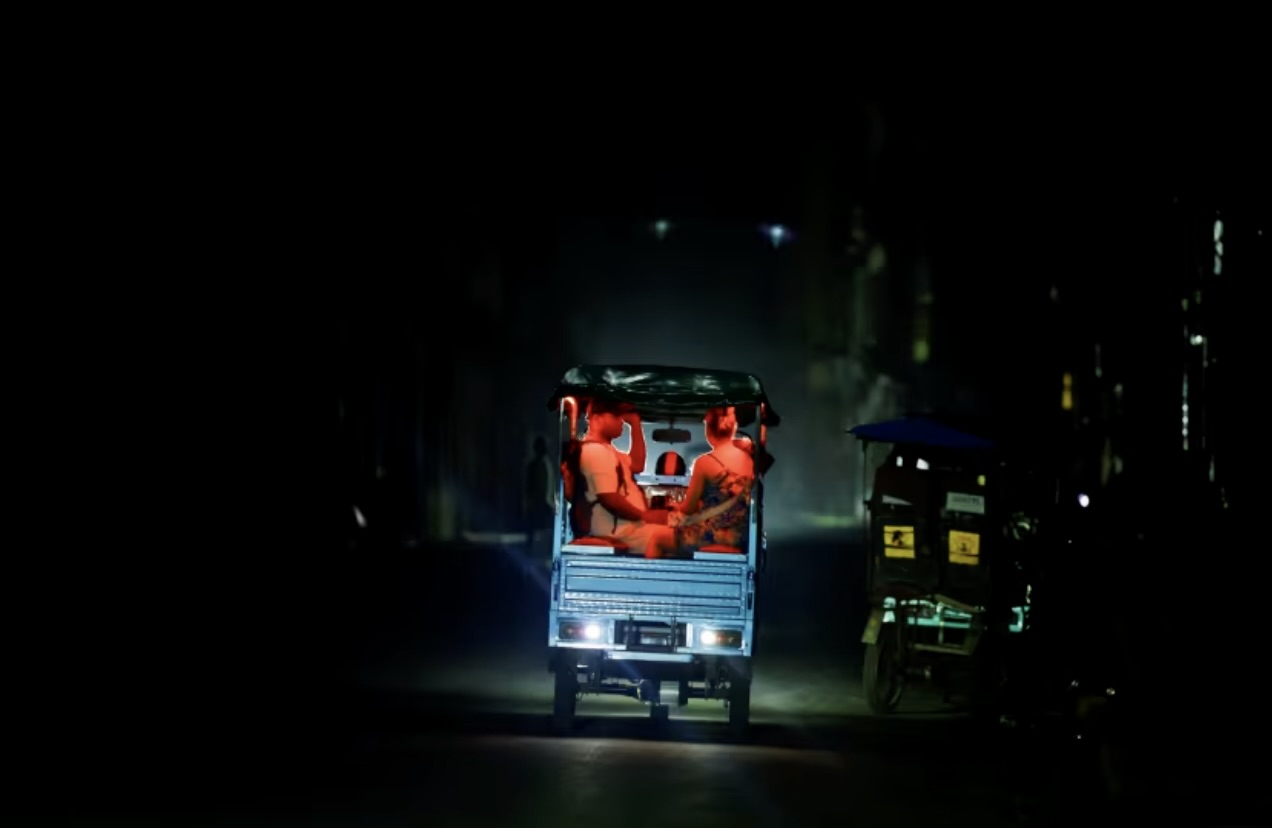
HAVANA (Realist English). On 2 August, Cuba was once again plunged into total darkness. The country’s power grid collapsed once more, leaving approximately 10 million people without electricity. This is the fifth total blackout on the island since the start of 2026 and the third in the last 10 days of July.
The state electric company, Unión Eléctrica de Cuba (UNE), announced a “total shutdown” of the national grid on social media, without specifying the causes or a timeline for restoration.
Residents of Havana, who had been sitting outside to escape the summer heat, greeted the sudden extinguishing of the city lights with a collective groan.
Causes: blockade, age and shortages
The systemic collapse of Cuba’s power grid has three key causes.
US oil blockade. The main blow to Cuba came in January 2026, when the Trump administration orchestrated the ouster and capture of Venezuelan President Nicolás Maduro. Caracas had been Cuba’s primary supplier of oil on preferential terms. Following this, Washington imposed an “oil blockade” on the island.
Supplies from Mexico, which had become a key replacement supplier, also ceased under US pressure. The single tanker from Russia carrying fuel, which arrived in March with Washington’s permission, has long since exhausted its reserves.
Ageing infrastructure. Cuba’s power grid, built during the Soviet era, is physically and morally obsolete. Thermal power plants running on fuel oil are not receiving necessary maintenance, making the network extremely vulnerable.
Deep economic crisis. The fuel shortage is compounded by decades of sanctions, a lack of spare parts and investment. This has resulted in many plants being unable to operate at full capacity even when fuel is available.
Chronicle of blackouts: how the system is failing
The situation is deteriorating at an alarming rate. In July 2026 alone, Cuba experienced three nationwide blackouts within 10 days. Since the end of 2024, a total of 10 such complete collapses have occurred. Rolling blackouts have become a normal part of life.
Each blackout paralyses not only electricity but also water supply, refrigeration and cooling systems, making normal life on a tropical island almost impossible.
Government response: ‘gradual reforms’
In response to the crisis, Havana has taken an unprecedented step – cautiously opening up the energy sector. Authorities have allowed the first foreign investment in fuel imports and permitted nearly 200 Cuban companies to participate in wholesale fuel trading. Prime Minister Manuel Marrero Cruz said that “results will be achieved gradually.”
However, analysts acknowledge that truly stabilising the system will require huge investment in infrastructure modernisation and reliable fuel supplies.
Cuba is trapped in a vicious cycle: US sanctions are depriving it of fuel, the old infrastructure is crumbling, and the economy cannot provide the investment needed for modernisation.
Residents of the island have grown accustomed to living in uncertainty, never knowing how many hours of electricity they will have each day. But when the lights go out across the entire country, it is a signal that the system is on the brink of total collapse.