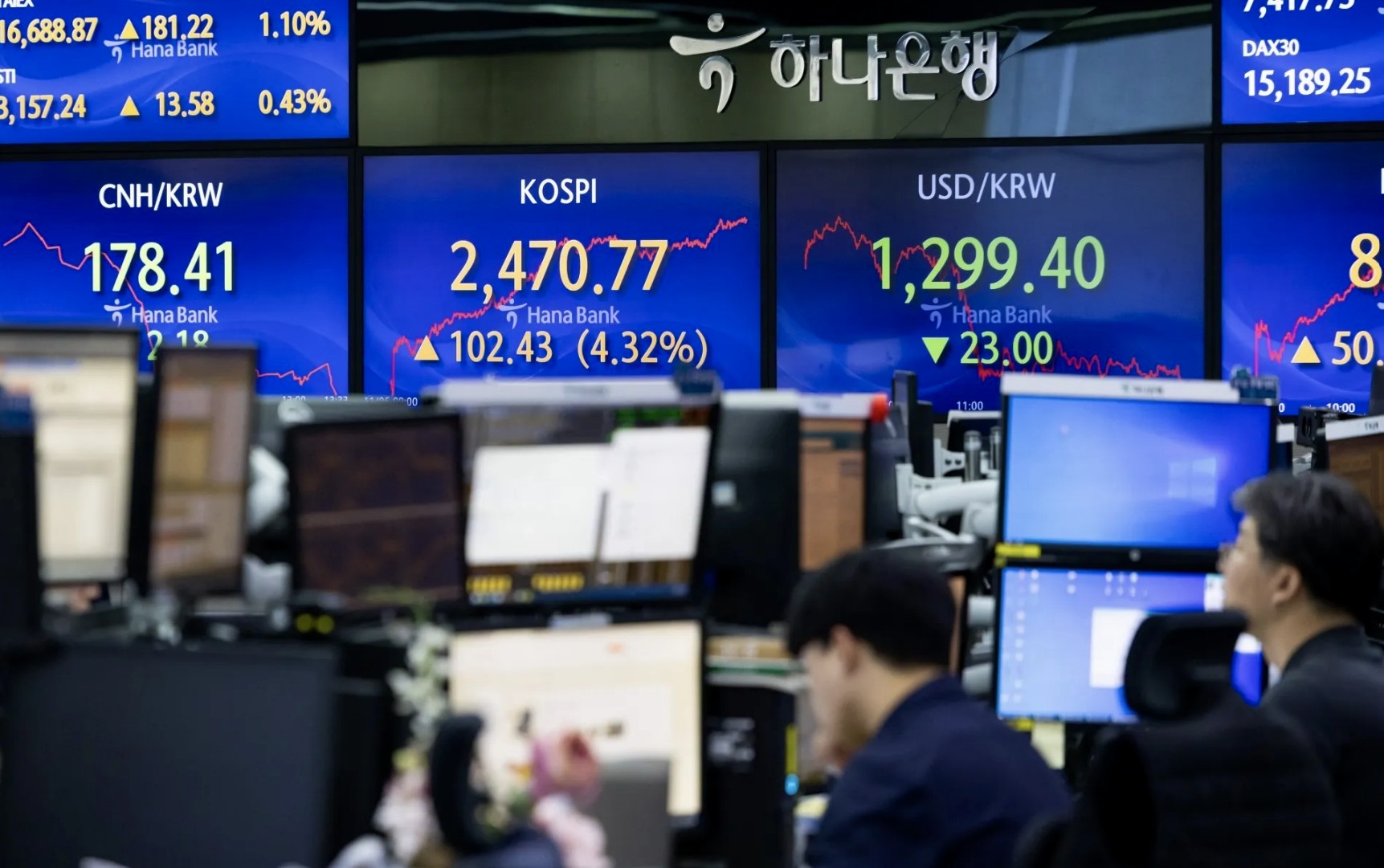
DUBAI (Realist English). On September 14, global oil prices rose by more than 2% after Saudi Arabia temporarily stopped operation of the East–West pipeline (Petroline) due to a series of drone attacks. Brent rose by $2.90, or 2.77%, to $107.51 per barrel, while U.S. WTI rose by $2.27, or 2.27%, to $102.32. During Asian trading, Brent climbed to $108.75, gaining 3.6%.
What Happened: The Halt of the “Lifeline”
Saudi Arabia announced the suspension of the East–West pipeline as a “precautionary measure” after drone attacks that occurred on September 10 in the areas of Riyadh and Medina. According to the Saudi Foreign Ministry, the attacks were carried out by “several drones that came from Iraq” and caused injuries and material damage.
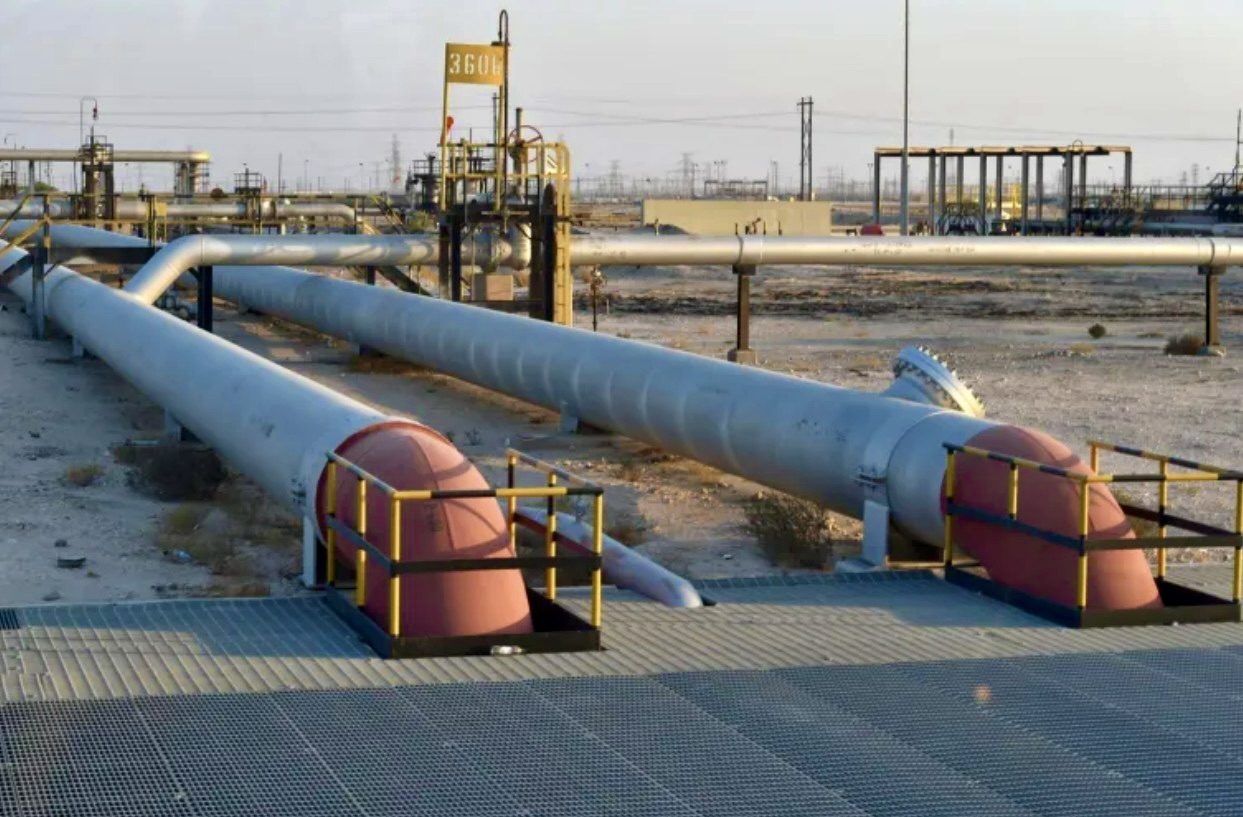
The pipeline, about 1,200 kilometers long, connects oil fields in eastern Saudi Arabia with the port of Yanbu on the Red Sea coast. Its capacity had been expanded to 7 million barrels per day — almost 30% more than before the war.
The key role of this infrastructure is that it allows Riyadh to export oil bypassing the Strait of Hormuz, which remains effectively blocked due to the American-Iranian conflict. Over the past six months, about 4 million barrels per day were redirected through the pipeline to Yanbu — roughly 4% of global oil supply.
Scale of the Risk: 5–7 Days of Inventories
The pipeline halt creates an immediate threat to Saudi exports. According to three industry sources, oil inventories at the port of Yanbu can sustain shipments for only 5–7 days if pumping is not resumed.
Yanbu is capable of storing about 35 million barrels. Additional volumes of oil are stored at the Egyptian terminals of Ain Sukhna (about 18 million barrels) and Sidi Kerir (about 20 million barrels), which can cover buyers’ needs for several more days.
However, inventories at these three storage facilities are below maximum capacity and will eventually be depleted without new oil arriving through the pipeline.
Repair timelines remain uncertain. One source estimated them at 5–6 weeks; another suggested that pumping could resume earlier, possibly partially.
Asian Refineries Await Clarification
The most vulnerable turned out to be Asian refiners that depend on Saudi oil supplies via the Red Sea. According to Reuters, at least four Asian refineries have not received clarification from Saudi Aramco regarding shipment schedules from Yanbu.
“Getting sour crude is a problem. We will have to pay higher prices, as everyone will chase limited supplies from Iraq, the UAE and other countries,” one industry source said.
Shipments from Yanbu have already fallen sharply in recent months: in July they dropped to 500,000–1 million barrels per day from about 6 million in June after the Houthis declared a blockade. According to Vortexa, in early September shipments from Yanbu rose to about 3.7 million barrels per day; according to Kpler, to 2.9 million barrels per day.
Double Constraint: Hormuz and Bab el-Mandeb
The halt of the East–West pipeline is taking place amid a simultaneous tightening of Houthi control over the Red Sea. On September 11, Houthi forces captured the strategic island of Mayun (Perim) in the Bab el-Mandeb Strait, as well as the port of Mokha.
This creates a double constraint for Saudi exports: the pipeline halt limits the volumes reaching Yanbu, while Houthi control around Bab el-Mandeb complicates the southern route from Yanbu to Asia. The only remaining route for Saudi oil is the northern path via the Suez Canal and the SUMED pipeline to the Mediterranean.
According to Reuters, crude oil and condensate shipments at the Egyptian terminal of Sidi Kerir reached a record 2.17 million barrels per day in the last week of August — about 50% higher than in the first week of July. About 90% of these volumes was Saudi oil.
Production Already at a Minimum
The pipeline halt comes amid a sharp drop in Saudi production. According to data provided by Saudi Arabia to OPEC, crude oil production in August was 6.2 million barrels per day, versus 10.9 million in February, before the war began.
The International Energy Agency (IEA) reported on September 11 that Saudi oil supplies in August fell to their lowest level in more than three decades. The agency expects global oil supply to decline this year by 5.7 million barrels per day, or about 6%.
Before the war, the Middle East supplied about 22 million barrels per day. According to industry sources, flows through the Strait of Hormuz have since fallen to 6–9 million barrels per day.
Forecast: Risk of Losing Another 4 Million Barrels
If the pipeline is not restored in the coming days, the market could lose up to 4 million barrels per day of Saudi exports from an already constrained global supply. This will hit Asian refineries that have already adapted to longer routes and delivery times for Saudi oil via the Mediterranean and around Africa.
“In the event of a prolonged halt in pumping through Yanbu, the global market could lose up to 4% of oil supplies, which would increase pressure on energy prices, inflation and international shipping costs,” analysts note.
Risks to Red Sea supplies are also growing. The Houthis, who threaten Saudi oil shipments, captured an island at the entrance to the Red Sea on September 11. One industry source noted: “Getting sour crude is a problem. We will have to pay higher prices.”