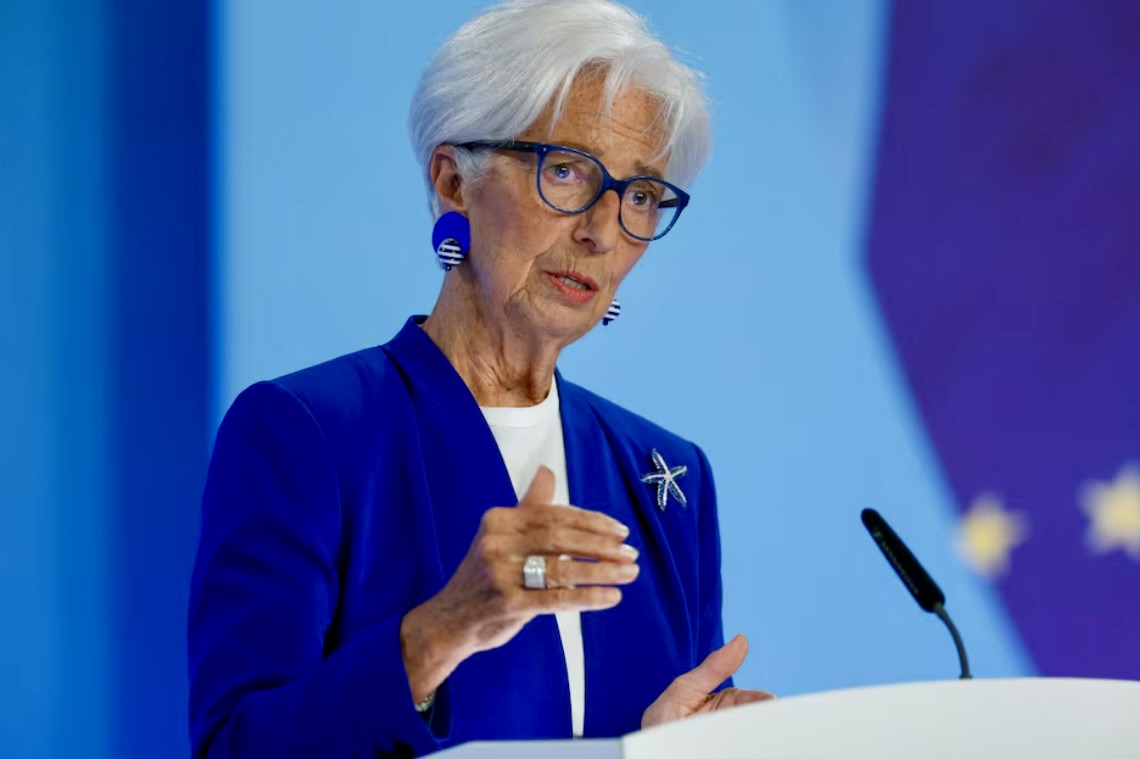
FRANKFURT (Realist English). On September 12, European Central Bank President Christine Lagarde told Ouest-France that the current inflation shock will be more prolonged than previously assumed. “The current shock is longer-lasting,” she stressed, noting that the Middle East conflict “continues” and that the ECB expects continued volatility and pressure on energy prices.
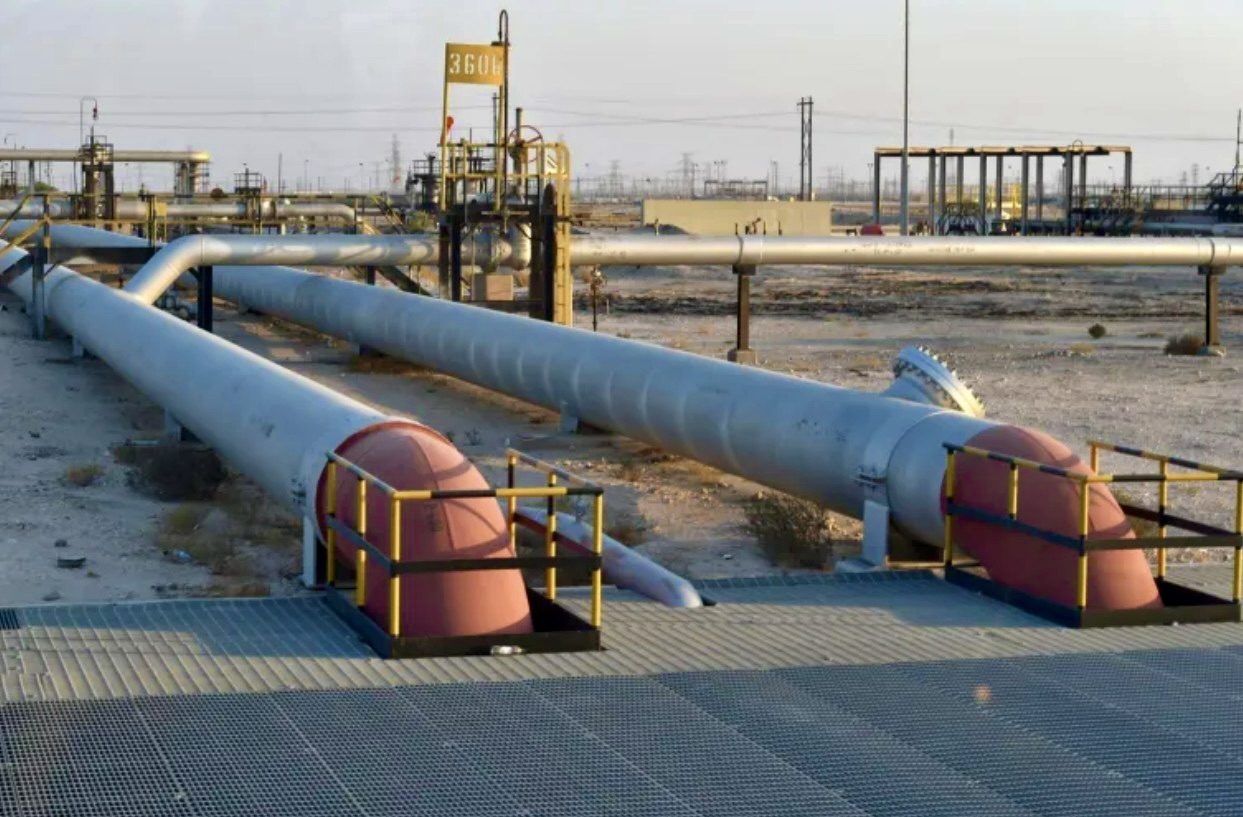
Lagarde also warned that rising energy prices carry the risk of slowing economic growth. According to her, the situation is aggravated not only by the Middle East conflict but also by “the destruction of oil refining capacity around the world, especially in Russia,” which increases the cost of energy and pushes all prices upward.
Second Rate Hike This Year
Lagarde’s statement came two days after the ECB Governing Council decided on September 10 to raise all three key interest rates by 25 basis points. The deposit rate rose to 2.5%, the main refinancing operations rate to 2.65%, and the marginal lending facility rate to 2.9%.
This is the ECB’s second rate hike in 2026: the regulator first tightened in June, for the first time since September 2023.
Lagarde called the decision “absolutely obvious” and stressed that it was taken unanimously. According to her, the hike “holds up to scrutiny” across all three scenarios the ECB is considering for the development of the energy shock.
Eurozone Inflation: Energy Pushes It Up
According to Eurostat data, annual inflation in the eurozone accelerated to 3.3% in August 2026 from 2.9% in July — the highest figure since the start of the year. The key driver was the rise in energy prices: their annual inflation jumped from 10.3% to 14.3%.
| Component | August 2026 | July 2026 |
| Headline inflation | 3.3% | 2.9% |
| Energy | 14.3% | 10.3% |
| Services | 3.0% | 3.3% |
| Industrial goods | 1.2% | 0.9% |
| Food | 1.2% | 1.2% |
| Core inflation | 2.4% | 2.5% |
Notably, core inflation, which excludes energy and food, actually declined from 2.5% to 2.4%, while services inflation fell from 3.3% to 3.0%. This indicates that the current spike is driven primarily by an external supply shock rather than overheating domestic demand.
Among the largest eurozone economies, the highest price growth was recorded in Spain — 4.5% (against 3.9% in July). Italy’s inflation stood at 3.2%, France at 2.7%, and Germany at 2.9%.
ECB Forecasts: Inflation Above Target Until the End of 2027
According to updated forecasts by ECB experts, inflation will remain above the 2% target for several years:
| Year | Inflation Forecast | GDP Growth Forecast |
| 2026 | 3.0% | 0.9% |
| 2027 | 2.5% | 1.4% |
| 2028 | 2.1% | 1.5% |
The inflation forecast for 2027 was revised upward — from 2.3% to 2.5%, and for 2028 — from 2.0% to 2.1%. Economic growth forecasts were also improved: for 2026 — from 0.8% to 0.9%, and for 2027 — from 1.2% to 1.4%.
The ECB notes that the energy shock is likely to keep headline inflation significantly above target in the first half of 2027. Only by the end of 2027 should inflation return to the 2% target, after which energy inflation is expected to turn negative until mid-2028.
Risks: Rising Inflation and Slowing Growth
The ECB explicitly points to the continued uncertainty of the forecast. The main risks are skewed toward accelerating inflation and slowing economic growth.
Lagarde noted that the energy shock could prove stronger and more prolonged, and its effects could spread more widely to wages and other prices. In that case, inflation could rise to 5.4% in 2027.
At the same time, according to her, the eurozone economy showed unexpected resilience in the second quarter of 2026: growth was “broadly spread across countries and sectors,” and this trend may continue in the third quarter.
However, risks to growth remain tilted to the downside, especially in connection with developments in the Middle East and around Ukraine.
ECB Position: No Pre-Commitments
Despite the hawkish tone of the statement, Lagarde stressed that the ECB did not discuss the future path of rates and is not making any commitments regarding upcoming meetings. Decisions will be taken “meeting by meeting” based on incoming data.
“We did not discuss any of the future paths. We did not discuss which scenario is more likely,” she said, adding that the regulator’s goal is to “ensure price stability.”
A Longer Shock, a Harder Choice
The ECB’s latest decision and Lagarde’s comments reflect a central bank caught between two unfavourable forces: an energy-driven inflation shock that shows no sign of abating, and an economy whose resilience may not survive a prolonged period of elevated rates.
The ECB’s own forecast — inflation above target until the end of 2027, with a possible spike to 5.4% — is a stark admission that the post-pandemic era of price stability remains out of reach. Yet the bank’s insistence on a meeting-by-meeting approach suggests it is unwilling to signal how far it is prepared to go.
Open questions remain. Can the eurozone withstand a second rate hike cycle while growth remains fragile? Will the destruction of refining capacity — in Russia and beyond — keep energy prices elevated even if the Middle East conflict subsides? And most importantly — is the ECB’s 2% target still a credible anchor for expectations, or will it be quietly abandoned as the price of stability?
For now, Frankfurt has chosen vigilance over certainty — and left the markets to guess what comes next.