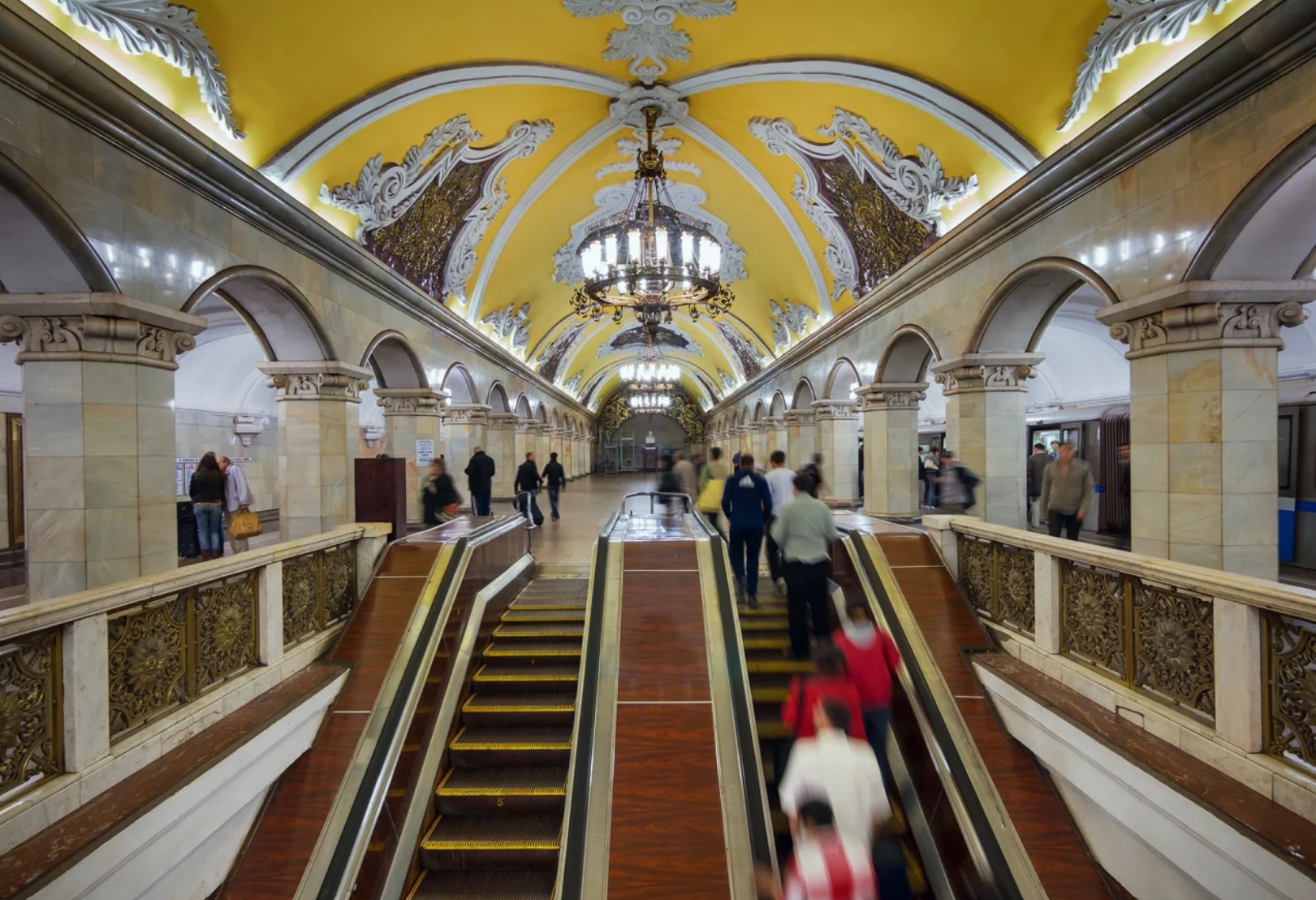
LONDON (Realist English). American television channel CNN Travel published a list of 18 of the world’s best metro systems. The assessment considered engineering approaches and the role of the metro in the daily lives of local residents. First place went to the London Underground; the top five also included Beijing, Copenhagen, Paris, and Tokyo. The Moscow Metro placed 11th, and Kyiv’s 14th.
CNN’s full list
- London Underground (UK) — the world’s oldest, opened in 1863. 11 lines, about 270 stations, over 400 km of track. Carries millions of passengers daily.
- Beijing Subway (China) — scale and automation. By the end of 2025, the network reached 909 km; plans include over 140 km more in the coming years. Six lines operate without drivers.
- Copenhagen Metro (Denmark) — opened in 2002. 4 lines, 44 stations, 43 km of track. Fully automated, operates 24 hours a day. Carried a record 135 million passengers in 2025.
- Paris Métro (France) — 16 lines, over 300 stations. Known for its Art Nouveau station entrances and historic stations.
- Tokyo Metro (Japan) — 9 lines, 180 stations, 195 km of track. Carries about 7 million passengers daily.
- Seoul Metropolitan Subway (South Korea) — 9 main lines, 327 km; including private operators — 1,302 km. About 7 million passengers per day. Noted for cleanliness, efficiency, and safety.
- New York City Subway (USA) — 472 stations, 24-hour operation. On September 23, 2026, a post-pandemic record was set — nearly 4.7 million passengers in a day.
- Mexico City Metro (Mexico) — 12 lines, 195 stations, 226.5 km. More than 4.5 million users daily.
- Singapore MRT (Singapore) — 146 stations, about 3.5 million rides per day. Reliability — 3.38 million km between failures. In 2026, the Circle Line was completed.
- Berlin U-Bahn (Germany) — 9 lines, 175 stations, 155 km. Yellow trains are the hallmark. In 2026, new J-series trains entered service.
- Moscow Metro (Russia) — 306 stations including the Moscow Central Circle. One of the shortest intervals in the world (less than 90 seconds during peak hours). In 2026, driverless train tests began. Noted by CNN for the cleanliness and architectural diversity of its stations — from Stalinist Empire style to modern design solutions.
- Glasgow Subway (Scotland) — the world’s third oldest, 15 stations, about 13 million passengers per year. Operates in Victorian tunnels.
- Shanghai Metro (China) — 21 lines, over 500 stations, more than 800 km. One of the largest and most modern in the world.
- Kyiv Metro (Ukraine) — 3 lines, 52 stations, about 70 km. Noted for its dual function: transport and shelter during Russian shelling. Arsenalna station — 105.5 m — was for a long time the deepest in the world.
- Chicago “L” (USA) — 146 stations, about 385,500 passengers on a weekday. The Red and Blue lines operate 24 hours.
- Delhi Metro (India) — 12 lines, 416 km, 303 stations. Punctuality — 99.95%. In 2026, the Ring Line was completed.
- Hong Kong MTR (Hong Kong) — one of the busiest in the world, over 5 million rides per day. Punctuality — 99.9%. The “rail + property” model is considered exemplary.
- Budapest Metro (Hungary) — 4 lines. Line M1 (1896) is the oldest in continental Europe and marked its 130th anniversary in 2026. Since April 2026, contactless payment has been available.
Russian Metro: Cleanliness and Architecture
CNN included the Moscow Metro in the list, noting not only technical parameters (short intervals, driverless tests) but also the cleanliness and architectural expressiveness of its stations. The Moscow Metro is traditionally considered one of the most beautiful in the world: stations such as Komsomolskaya, Mayakovskaya, Novoslobodskaya, and many others are cultural heritage sites.
In recent years, new stations with modern design have opened, and the Bolshaya Koltsevaya Line — the longest circular metro line in the world — was launched.
The Saint Petersburg Metro, which did not make CNN’s list, is also known for its architecture and the depth of its stations (for example, Admiralteyskaya — 102 m). Russian metro systems traditionally maintain high standards of cleanliness and safety, as noted by foreign observers.
What This Means
CNN did not publish numerical scores or a single methodology. The list is a selection of systems that stand out for their engineering solutions, history, and significance for urban life.
London wins for cultural status, Copenhagen for design and efficiency, Beijing for scale and technology, and Kyiv for its dual function, which has become critically important in wartime. The Moscow Metro is noted for its combination of technical efficiency (intervals, driverless trains) and aesthetic components — cleanliness and architecture — which make it not just transport but part of the city’s identity.