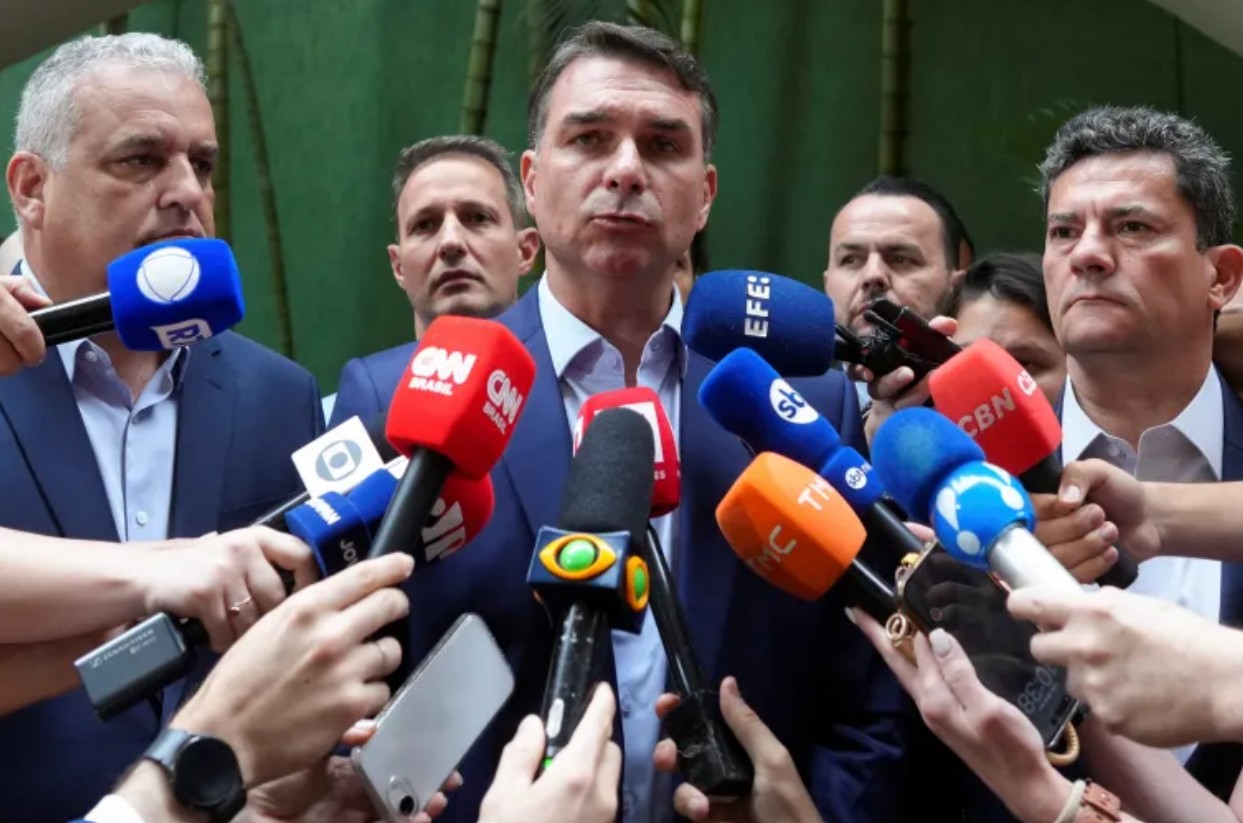
BRASÍLIA (Realist English). Senator Flávio Bolsonaro, who was defeated in the second round of Brazil’s presidential election, has announced his intention to lead the opposition to the government of Luiz Inácio Lula da Silva. The statement came after the country’s Supreme Court ordered him to surrender his passports and banned him from leaving Brazilian territory.
Court decision
On October 25, Supreme Court Justice Alexandre de Moraes ordered the annulment of all of Bolsonaro’s passports — both regular and diplomatic — and required him to surrender the documents within 24 hours. On October 26, the Federal Police served the senator with notice while he was on his way to the residence of his father, former President Jair Bolsonaro, who is under house arrest.
Bolsonaro himself stated that the decision was based on a statement by his brother Eduardo Bolsonaro on October 23 — that Flávio should leave Brazil if he lost the election. “I never thought about leaving the country,” the senator stressed, adding that he intends to comply with the requirement but will challenge it in court.
Investigation and elections
According to Agência Brasil, the travel ban is linked to an investigation into lawyer Viller Tomaz, a friend and alleged business partner of Bolsonaro. Police suspect Tomaz of money laundering through betting and illegal discounts for INSS pensioners. Last week, Moraes froze the lawyer’s assets worth 6 billion reais. In addition to the travel ban, Bolsonaro is also prohibited from communicating with Tomaz.
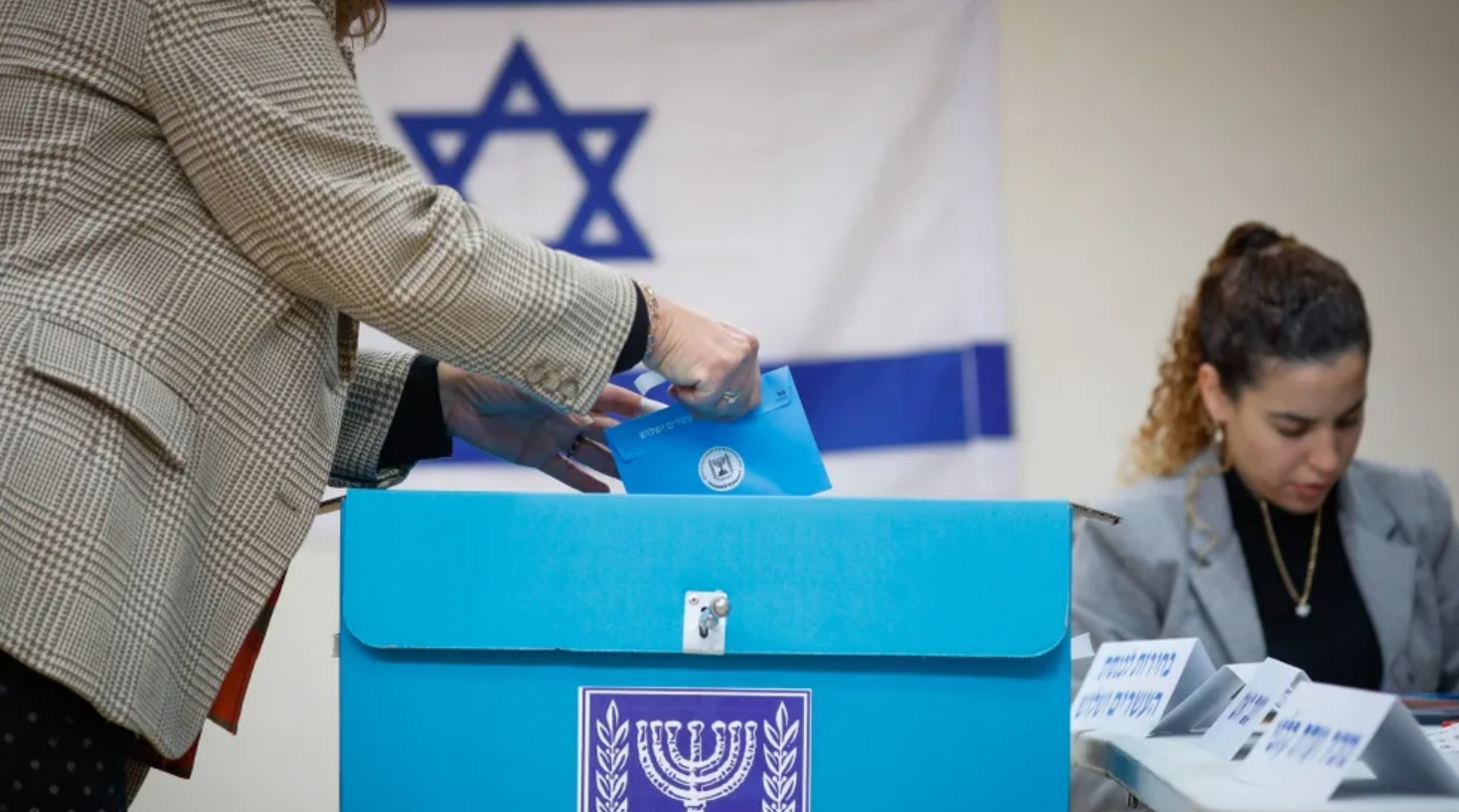
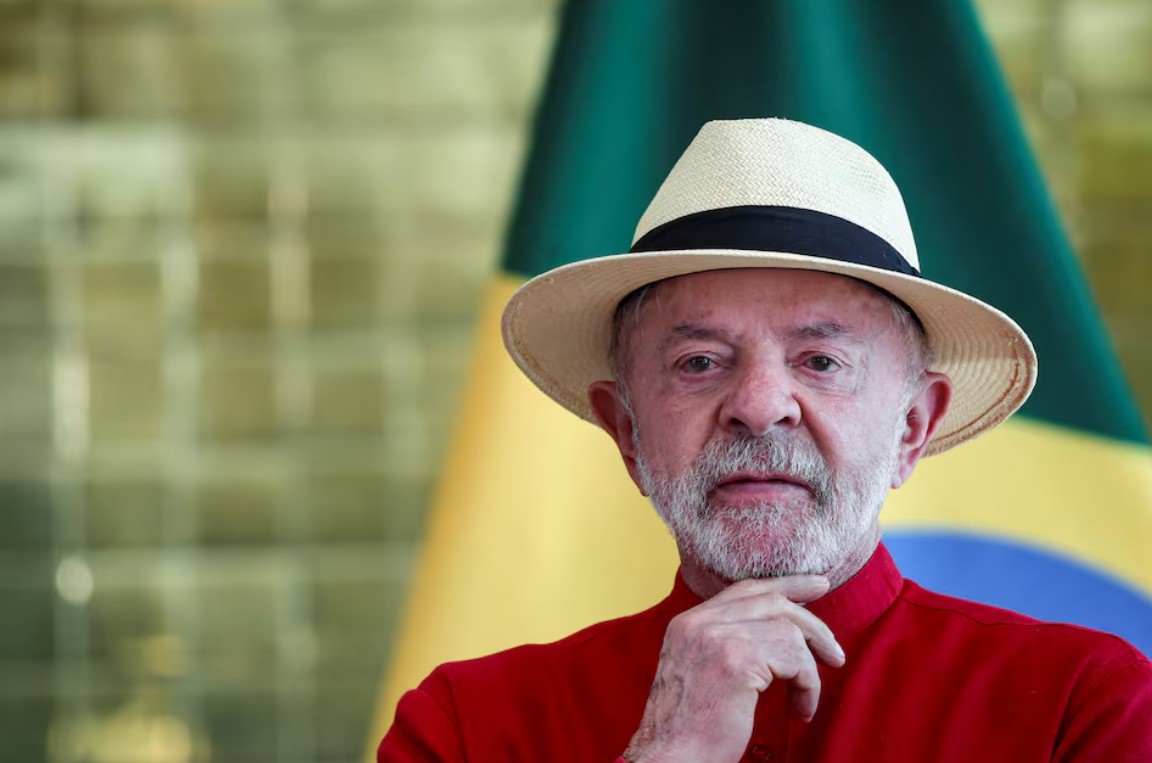
The election in which Bolsonaro lost to Lula took place on October 25. The senator received 48.21% against 51.79% for the incumbent president. He refused to recognize defeat and had previously demanded the annulment of the results, citing the extension of voting time. He now intends to file a lawsuit in the Electoral Court for an investigation into abuse of economic power (AIJE) with the aim of annulling the mandate of the winning ticket.
The travel ban has turned Flávio Bolsonaro from a defeated candidate into a key opposition figure. The restriction on freedom of movement imposed by the court creates an image of a persecuted politician — and he uses this to mobilize supporters.
The statement about “leadership in the opposition” and the intention to challenge the election results in court is not just a reaction to defeat but an attempt to preserve political agency at a time when his father is under house arrest and he himself is deprived of the ability to leave the country.
For Lula, this means the opposition does not intend to fade into the background. Bolsonaro Jr., who retains his Senate seat until the end of next year, will use the podium and legal proceedings to pressure the new government. However, the effectiveness of this strategy depends on whether other opposition forces support it — and whether the series of legal cases against Bolsonaro himself becomes a more serious constraint than the travel ban.