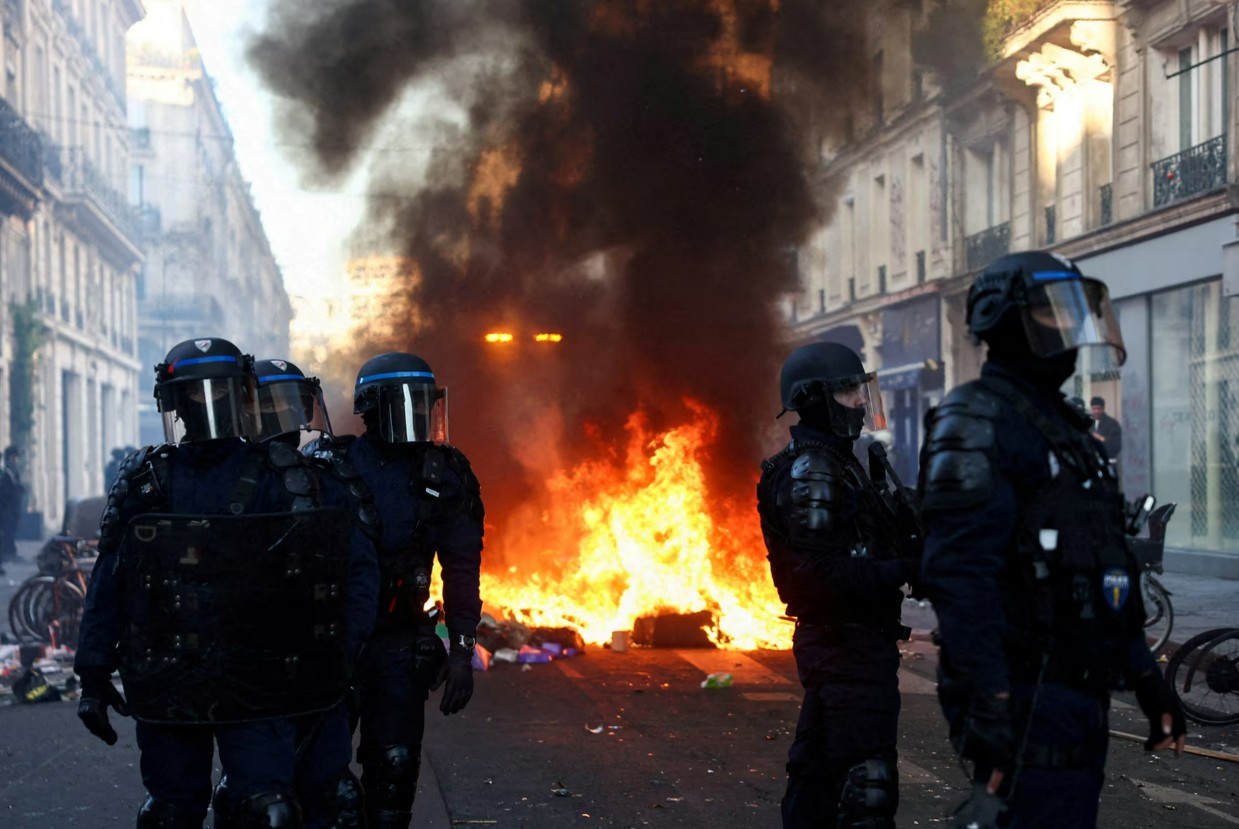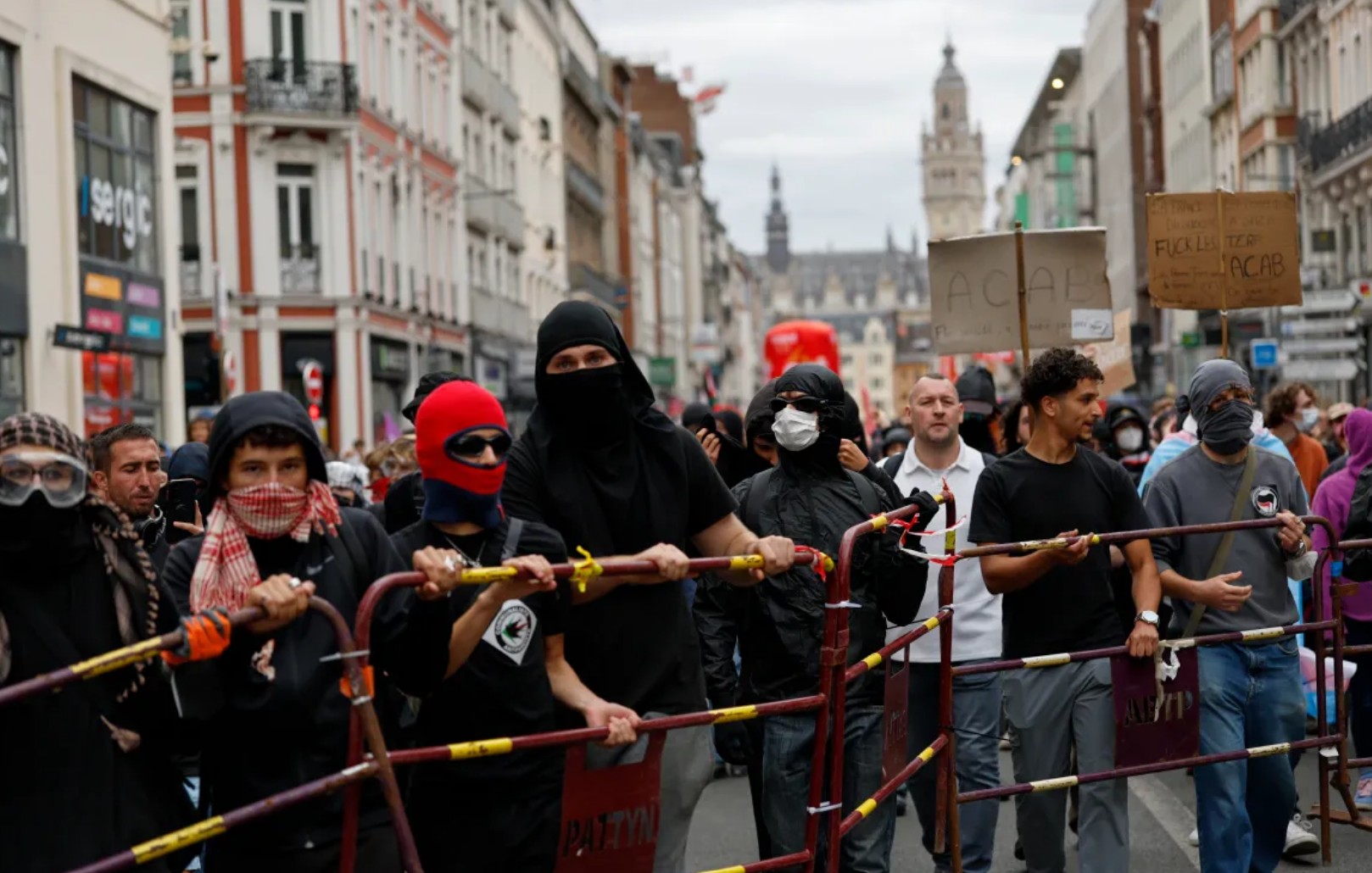
PARIS (Realist English). The riots that swept across France on October 17 became the first serious test of the existing system for insuring civil unrest risks — several months before a new state mechanism is due to take effect. Bloomberg reports this, citing analysts at DBRS Morningstar.
Loss estimate
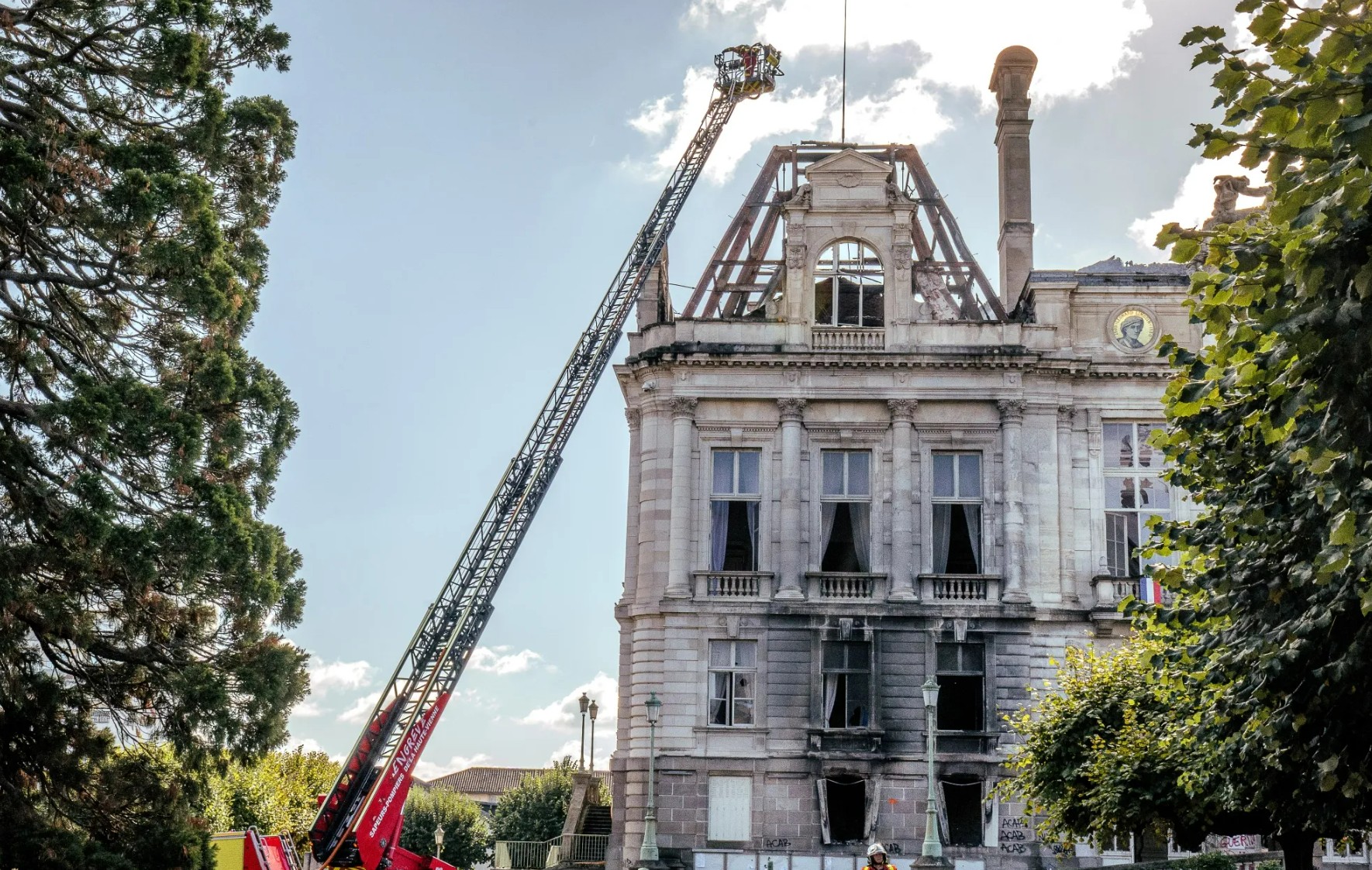
According to Morningstar DBRS calculations, total insured losses from the latest wave of unrest will remain below €1.0–1.2 billion, provided the situation does not escalate again. For comparison: the 2023 riots cost insurers €730 million across approximately 15,600 claims, with 65% falling on commercial real estate and 27% on municipal property. As of October 19, at least 3,000 businesses had reported damage or looting.
For France’s largest insurers, this is a “manageable earnings event” rather than a “capital-threatening event,” noted Marcos Alvarez, head of global insurance at Morningstar DBRS. The reason is reinsurance protection and the ability to present some claims to the French state.
The new regime is not yet working
France adopted a mechanism for mandatory insurance of riot risks as part of the 2026 budget. Under Article 171, all property insurance policies must include coverage for riot damage without the right of exclusion, as well as business interruption coverage if already provided for in the policy. Insurers will be able to transfer risks to a mutual insurance fund that reimburses at least 90% of transferred amounts; the fund is financed through a solidarity contribution from insurers and backed by a state guarantee.
However, the mechanism will only come into force after a European Commission decision on state aid and the publication of the corresponding decree — no later than 12 months after approval. As of September 28, the decree was still awaiting publication. There was no confirmation of its applicability to losses from October 17 at the time of publication.
What this means
The October 17 riots exposed a structural problem in French insurance: civil unrest risks increasingly resemble catastrophic risks — they are correlated, affect multiple cities simultaneously, and create cumulative damage.
The current system is fragmented: private policies cover damage through fire, theft, and vandalism sections, reinsurers accept part of the risks, and the state may bear liability under Article L.211-10 of the Internal Security Code — but judicial practice distinguishes spontaneous riots from organized violence, making claims against the state “potentially disputable.”
The new regime should reduce uncertainty, but while it is not working, insurers and victims remain in a legal vacuum. For the market, this means that the next major riots — if they occur before the mechanism is launched — will again fall on the balance sheets of insurers and reinsurers rather than the state fund. For the French authorities, this is an additional incentive to accelerate the publication of the decree: every week of delay leaves the system without the safety net that the authorities themselves created.