PARIS (Realist English). The French government has announced the introduction of a partial curfew in a number of cities following the October 17 unrest, which descended into some of the most serious in recent years. Prime Minister Sébastien Lecornu said he had instructed prefects to take appropriate measures, without specifying the full list of cities.
Marseille: ban on gatherings
In Marseille, the country’s second-largest city, authorities have already imposed a ban on “any gatherings and demonstrations” from 12:00 to 20:00 on October 19. The decision was taken after clashes and looting in the city center on October 17. Interior Minister Laurent Nunez arrived in Marseille the same day following criticism from the mayor over the organization of security.
Denain: week-long curfew
In the town of Denain (Nord department), Mayor Anne-Sophie Dufour-Tonini introduced a curfew from 21:00 to 6:00, in effect from October 18 to October 25 inclusive. The restrictions apply to both minors and adults.
Exceptions are provided for travel to work, medical care, family circumstances, and assistance to vulnerable persons. The mayor explained the decision by the need to focus police on “rioters rather than those who came out simply to watch.”
Guadeloupe: restrictions for minors
In the overseas department of Guadeloupe, the prefecture introduced a curfew for minors under 18 unaccompanied by adults in the communes of Pointe-à-Pitre and Abymes from 20:00 to 6:00. The measure was taken after a night of violence in which stores were looted, arson occurred, and three police officers were injured.
Saturday’s pogroms
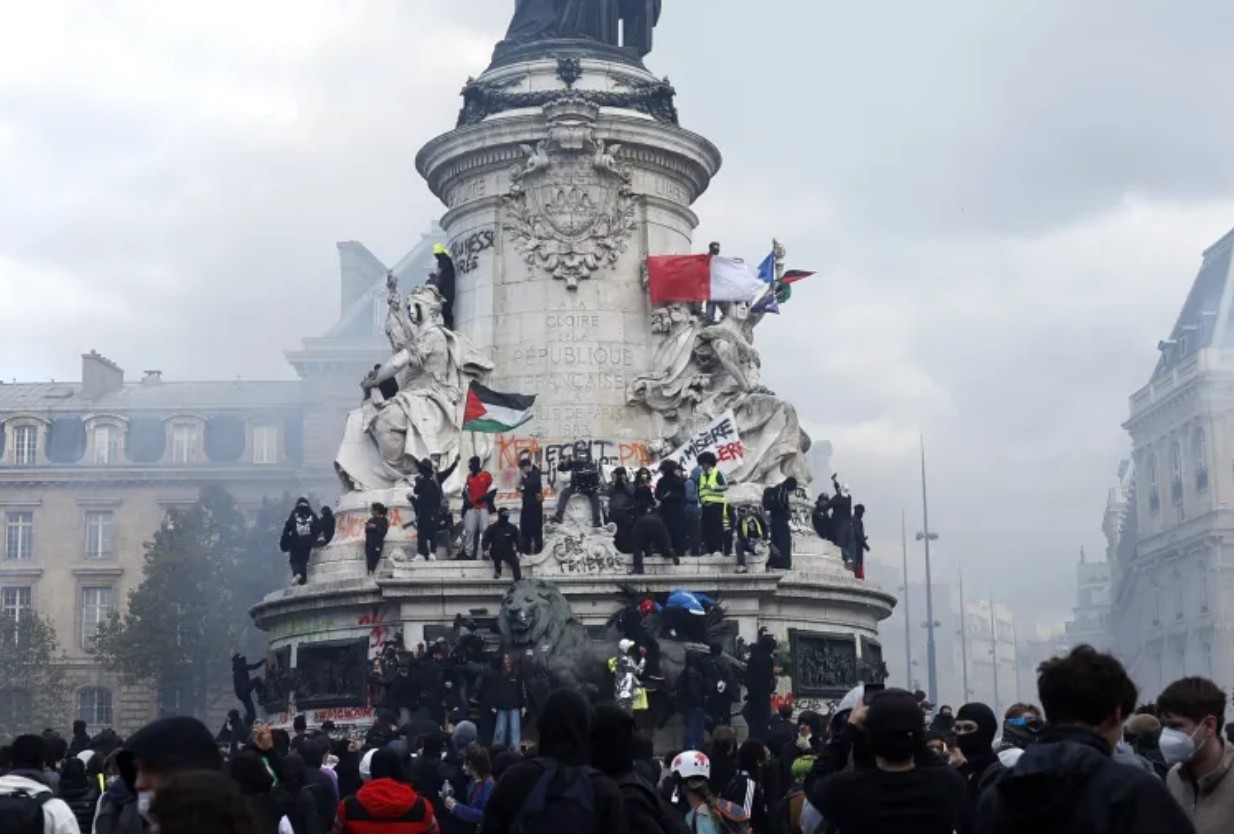
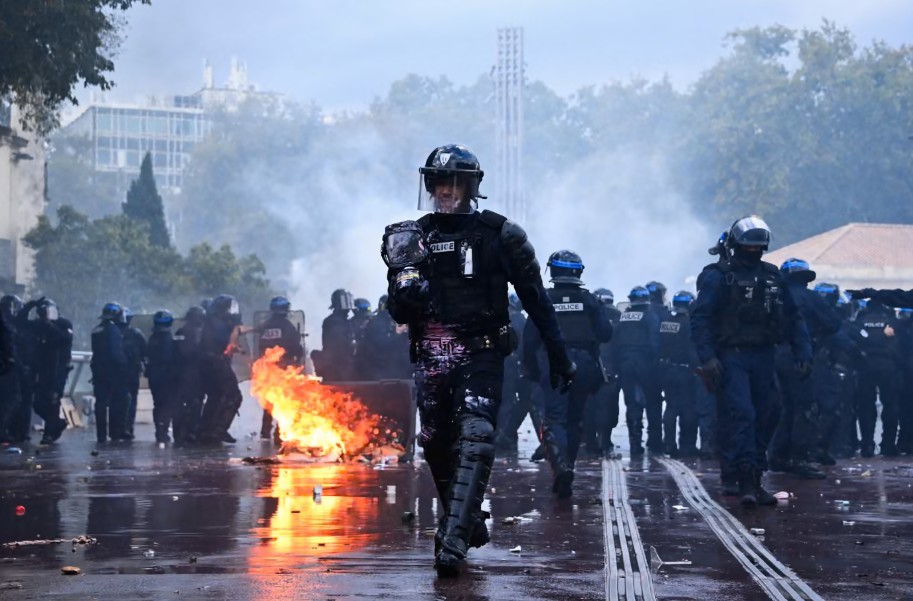
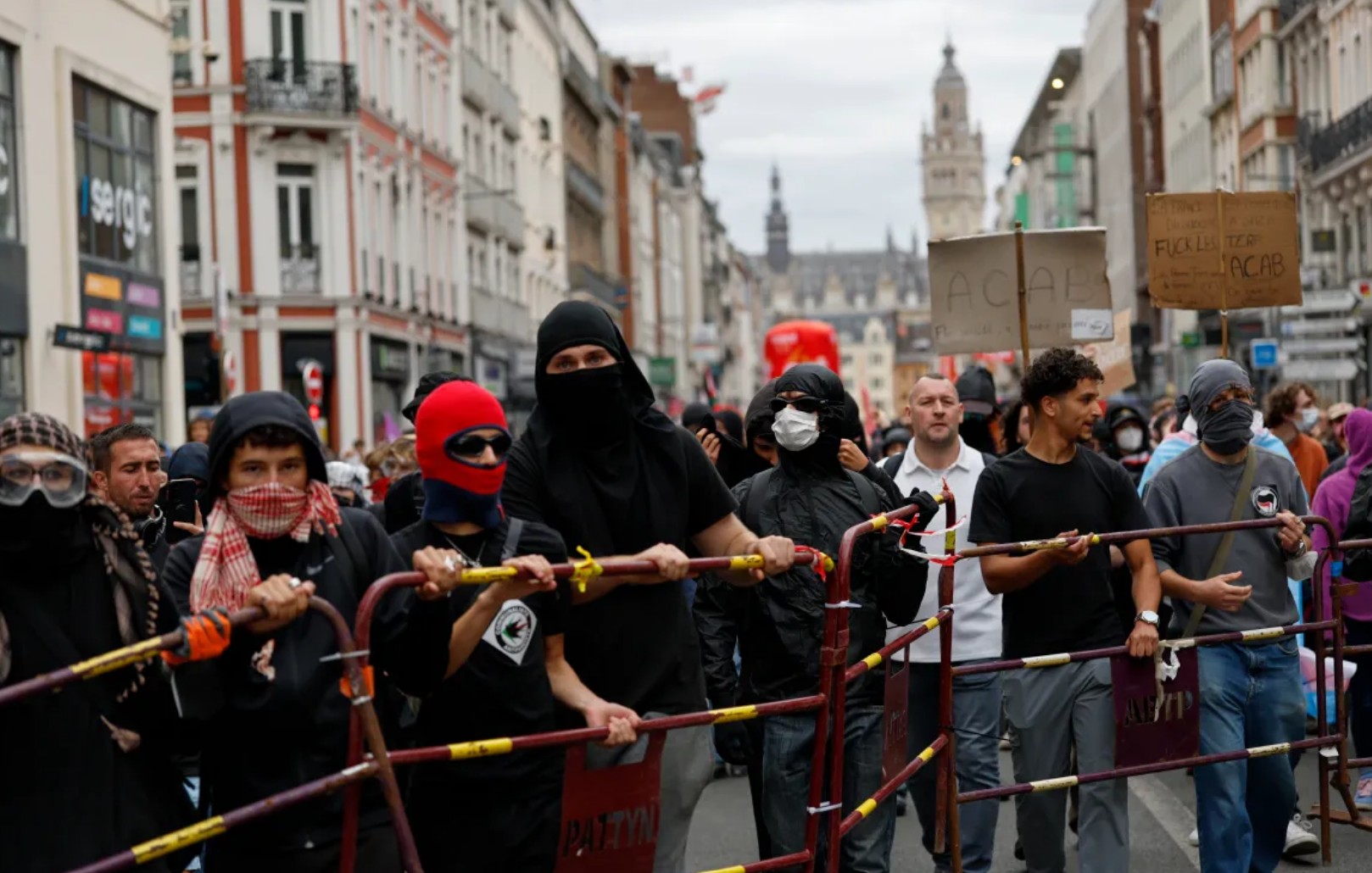
The unrest erupted on October 17 after a nationwide day of protests against the rising cost of living, in which, according to various estimates, between 550,000 and 800,000 people took part. Clashes, arson, and looting occurred in Paris, Lyon, Marseille, and other cities. In Limoges, the historic city hall built in 1883 burned down; in Lyon, a tourism office. According to the Interior Ministry, about 2,400 people were detained, and nearly 1,000 police officers and gendarmes were injured.
The introduction of a curfew is an acknowledgment that ordinary police measures are insufficient. Lecornu did not name specific cities, leaving the decision to prefects, which allows authorities to adapt restrictions to the local situation without creating the impression of a national state of emergency.
However, the very fact of such measures two days after the unrest signals that the government fears a new wave of violence and is trying to prevent it preemptively. For Macron, whose term expires in 2027, this is another step in a chain of events that could determine the final assessment of his presidency — from protests against pension reform to the current crisis, in which the street is once again setting the agenda.