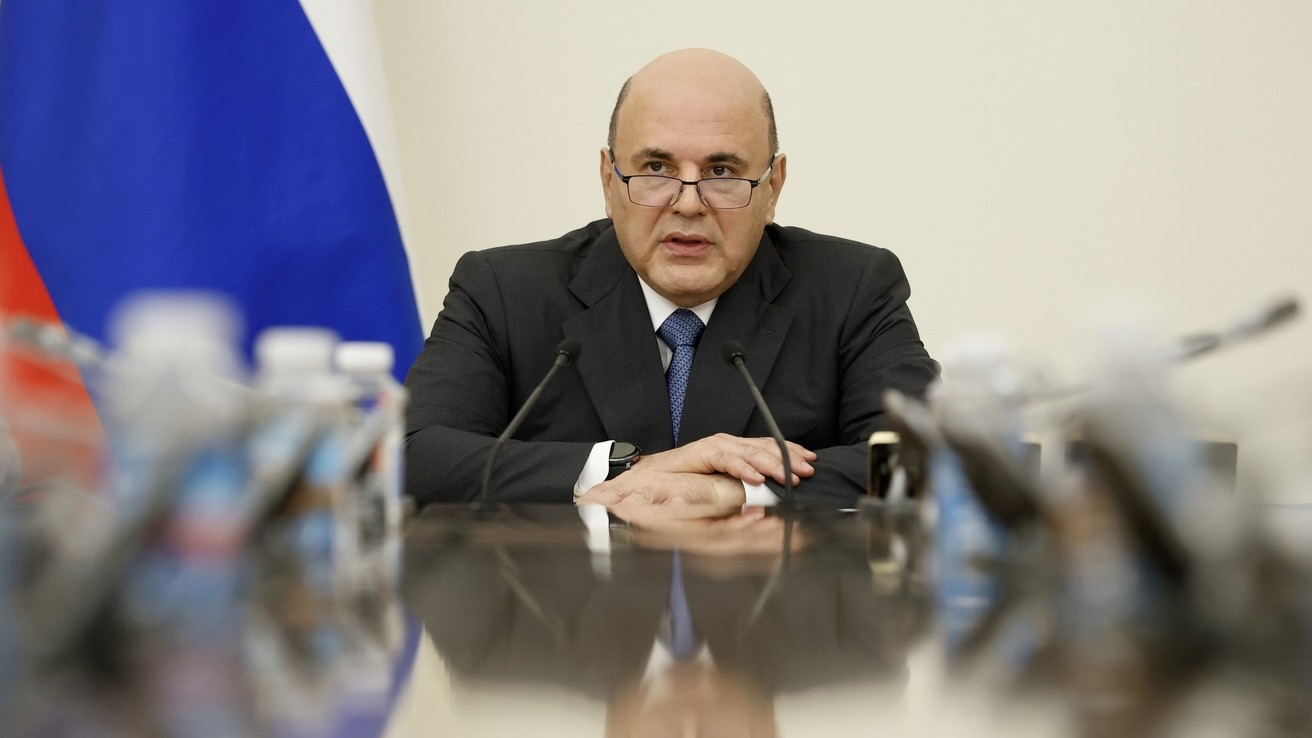
MOSCOW (Realist English). Russian Prime Minister Mikhail Mishustin signed Decree No. 1693-r dated July 1, 2026, approving a plan of measures to implement the Strategy for the Development of Healthcare in the Russian Federation for the period up to 2030.
The document, comprising 59 items grouped into 15 blocks, covers all key areas of healthcare modernization — from combating risk factors for non-communicable diseases to the introduction of artificial intelligence and genetic technologies.
Mishustin announced the approval of the plan at a meeting with deputy prime ministers on July 13.
“The document is closely linked to the targets of the relevant state program and national projects. This ensures comprehensive work to improve the accessibility and quality of medical care for citizens of all ages,” the prime minister noted.
15 Blocks: From Prevention to Artificial Intelligence
The approved plan covers 15 key areas:
- Combating risk factors for non-communicable diseases and obesity — under this block, it is planned to create a new model of public health protection.
- Disease prevention and healthy longevity development — health centers will be transformed into centers for healthy longevity medicine.
- Improving quality, safety, and accessibility of medical care.
- Reproductive health protection and fertility improvement.
- Development of medical rehabilitation and prosthetics and orthotics — with special attention to participants of the Special Military Operation.
- Development of sanatorium-resort treatment and public health improvement.
- Biological safety and prevention of dangerous infections.
- Development of socio-hygienic monitoring system.
- Improving healthcare financing and compulsory health insurance.
- Development of blood services and blood product manufacturing — with provisions for organizing a full-cycle production of blood products on Russian territory.
- Introduction of new medical-genetic technologies.
- Technological independence in pharmaceuticals and medical devices.
- Development of personalized medicine.
- Digital healthcare systems and artificial intelligence in medicine.
- Integration of healthcare systems in new regions.
Healthy Longevity and Product Labeling
Special attention in the plan is given to transitioning from a system of “treating diseases” to preserving citizens’ active longevity. Health centers will be transformed into centers for healthy longevity medicine, which will identify changes in the body that could lead to disease and premature aging, as well as monitor citizens with such risks.
Practical measures include developing sports infrastructure, designing and implementing a comprehensive set of measures to combat obesity, and introducing information on sugar, salt, and trans-fatty acid content into food product labeling.
Scientific and Technological Breakthrough
The plan provides for applied research on the biology of aging, the introduction of biotechnologies in regenerative biomedicine, technologies for diagnosing, preventing, and eliminating neurodegenerative disorders, maintaining brain health, and developing cognitive functions.
In the field of high technologies — the development of information systems with decision support for physicians using artificial intelligence, as well as the improvement of telemedicine technologies for remote consultations, screenings, and health monitoring.
Import Substitution and Technological Independence
A separate block of the plan is dedicated to ensuring technological independence in production and accessibility of high-tech biological medicines, biomedical cell products, and tissue engineering products.
The plan includes the development, registration, and implementation of the most relevant and sought-after drugs, including radiopharmaceuticals.
Financing and Oversight
The plan’s activities are financed from budgets at all levels, including the state program “Healthcare Development.”
Federal authorities and regions are required to report annually to the Ministry of Health by July 1 on the progress of implementation. The Ministry of Health, in turn, must submit an annual report to the government by August 15, starting from 2027.
Regions are recommended to develop their own implementation plans for the Strategy by December 1, 2026.
Strategy Approved by the President
In December 2025, Russian President Vladimir Putin approved the Strategy for the Development of Domestic Healthcare for the period up to 2030 and instructed the government to approve a plan of measures for its implementation.
According to the Ministry of Health, in the first half of 2026 alone, more than 52 million citizens underwent preventive checkups and medical screenings. In the first phase of modernizing primary care, 14,000 medical facilities have already been renovated, and work is planned at more than 6,000 additional facilities by 2030. In 2025, high-tech medical care was provided in 1.7 million cases.
Deputy Prime Minister Tatyana Golikova noted that special attention under the strategy is given to combating socially significant diseases and building a healthy longevity system. A transition period has been included in the program of state guarantees of free medical care to adapt new approaches.
The government expects that a comprehensive approach — from prevention and healthy lifestyles to high-tech medicine and artificial intelligence — will significantly improve both the quality and accessibility of medical care for all categories of citizens by 2030.