WASHINGTON (Realist English). US Central Command (CENTCOM) has carried out a third consecutive night of strikes on Iranian territory, while President Donald Trump announced the reimposition of a naval blockade on Iranian ports and the introduction of a 20% levy on all cargo passing through the Strait of Hormuz.
The escalation comes less than a month after the signing of a temporary ceasefire between the parties.
Third Night of Strikes: Targets and Scale
US forces began the third wave of strikes at 20:45 GMT on Monday, July 13. The operation, which lasted five hours, targeted military facilities across Iran, including the port cities of Bandar Abbas, Bushehr, Jask, Konarak, and Chabahar, as well as the islands of Kish, Qeshm, and Abu Musa.
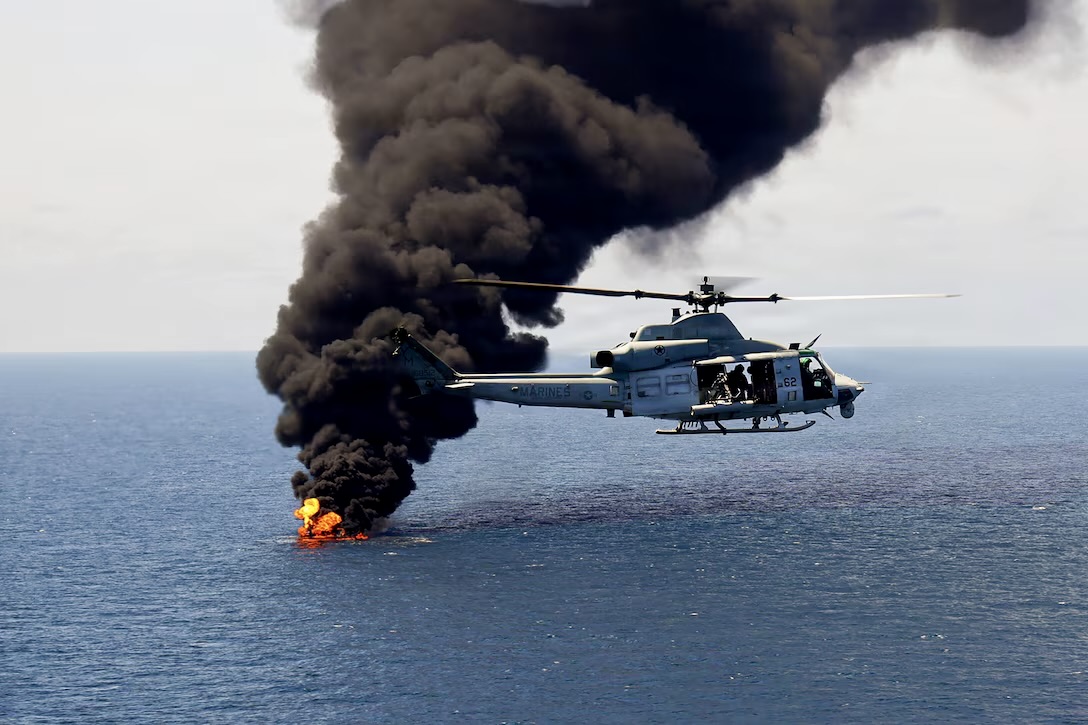
According to CENTCOM, strikes were carried out against air defense systems, coastal radar stations, missile and drone capabilities, and small vessels. During the operation, US forces used naval kamikaze drones for the first time, striking an Iranian submarine at a ship repair yard.
President Trump said: “We are hitting them very hard. And this will continue — we’ll see what happens next.” Earlier he warned: “We will hit them very hard tonight and continue tomorrow. And they can’t do anything about it.”
Blockade Reimposed and “Protection Fee”
According to CENTCOM, the naval blockade of Iranian ports and coastal areas takes effect on Tuesday, July 14, at 16:00 ET (20:00 GMT). The measure applies to all vessels regardless of flag and covers all ports and oil terminals along the Iranian coast.
At the same time, Trump announced that the US would impose a 20% levy on the value of cargo on all ships passing through the strait. In a post on Truth Social, the president called the US the “GUARDIAN OF THE STRAIT OF HORMUZ” and stated that Washington would “fairly” receive compensation for ensuring security.
Iranian Foreign Minister Abbas Araghchi immediately responded: “Trump is absolutely right — whoever ensures safe passage should be compensated. But 20% is, of course, too much. We will be fair.” Tehran insists that it is Iran that is the “eternal guardian” of the strait.
Iranian Strikes on UAE Tankers and Bahrain
Tehran’s retaliatory actions were swift. The Islamic Revolutionary Guard Corps (IRGC) claimed strikes on two UAE-flagged tankers in the Strait of Hormuz.
The UAE Ministry of Defense reported that Iranian cruise missiles struck the tankers Mombasa and Al Bahiyah as they were passing through the southern channel of the strait in Omani territorial waters. The attack resulted in one crew member killed and eight wounded.
In addition, the IRGC carried out missile and drone strikes on US facilities in Bahrain. Reports indicate strikes on weapons depots, a satellite communications center, and a residential complex for US military personnel. Smoke was seen in the Bahraini capital Manama, and air raid sirens sounded several times.
Earlier, Iran claimed strikes on US facilities in Jordan, Kuwait, and Oman.
Ceasefire Agreement Shattered
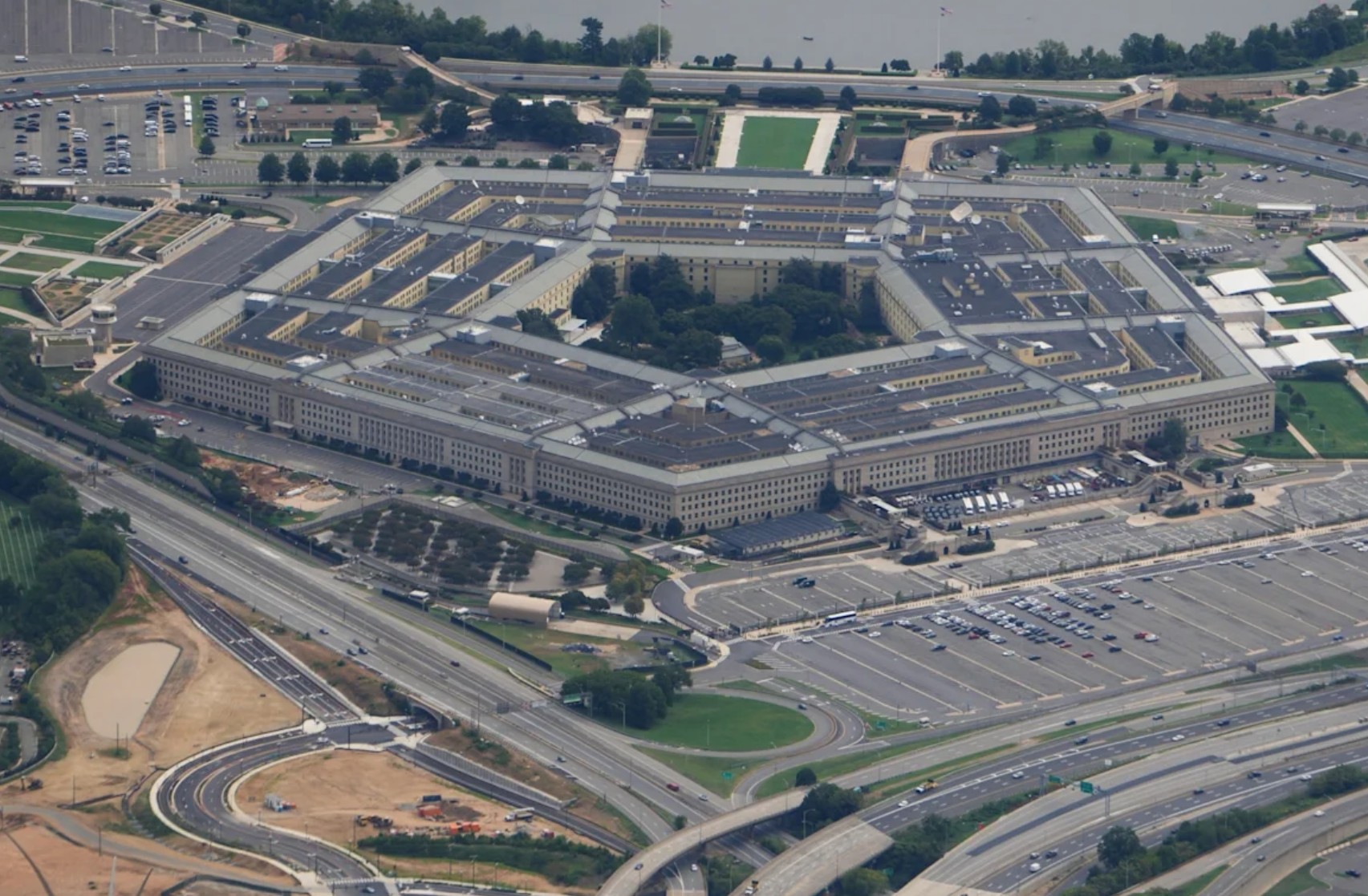
Trump formally notified Congress of the resumption of hostilities against Iran, which gives the Pentagon an additional 60 days to conduct operations without congressional approval.
Despite the escalation, the US president stated that a deal with Tehran was “still possible.” “We had a deal two days ago, and then they said, ‘Oh, we can’t make this deal, we need to continue negotiations,'” Trump said.
However, the Iranian side made it clear that the June memorandum of understanding on which the talks were built is “in crisis.” The Iranian military headquarters warned that “any cooperation with the US and any logistical support for invading American forces will be considered a war against Iran’s sovereignty and national security.”
Oil Markets: Brent Surges 12%
The escalation triggered a sharp spike in oil prices. By Tuesday morning, Brent crude had risen 12% in 24 hours — one of the sharpest daily gains since the war began. Earlier, immediately after the blockade and levy announcement, prices had risen more than 9%. The number of tankers passing through the strait fell to its lowest level in two months.
The third night of strikes and the reimposition of the blockade signal a complete rupture of the June ceasefire. Trump confirmed that strikes would continue, stating: “We are taking out all their offensive capabilities and controlling the straits. We are bringing back the blockade.”
Iran, for its part, made clear it does not intend to cede control over the strait, and its military warned of a possible expansion of the conflict to other regional countries cooperating with the US.
The central question remains whether diplomacy can prevent further escalation, or whether the parties have definitively moved to open military confrontation. As ship broker Gibson noted: “If the renewed escalation in the strait leads to another prolonged closure of Hormuz, the world will be in a much more difficult situation.”