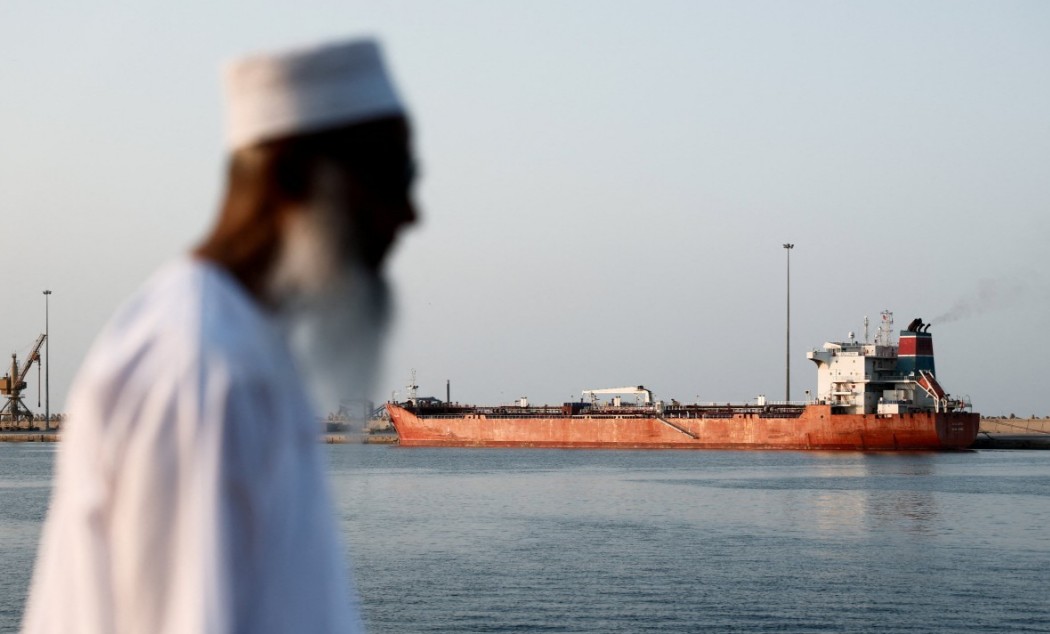
RIYADH(Realist English) . Saudi Arabia is pushing to formalize the wartime emergency mechanism of “shuttle” transshipment through the Strait of Hormuz and its inclusion in long-term contracts for 2027. At first glance, this is a logistics agreement. In essence, it is a tactical strengthening of the struggle for Asian markets in conditions where the risks of the Strait of Hormuz are becoming the norm.
What is the “Hormuz shuttle”
This is a “relay” export scheme. Very Large Crude Carriers (VLCCs) enter the Strait of Hormuz and load crude oil at ports such as Ras Tanura and others. They then exit the strait and, in the Sohar area of the Gulf of Oman, transship their cargo to large ocean-going tankers waiting outside. These deliver the oil to Asian buyers. The shuttle vessels return to the strait and repeat the loading.
Why formalization became necessary
After the war began, the traditional model of “the buyer sends its own tanker into the strait for cargo” stopped working. Asian buyers do not want to risk their vessels in the strait, where they are threatened by Iran. Saudi Arabia was forced to organize a shuttle fleet on its own and take on the risks.
Saudi Arabia had already used the Red Sea port of Yanbu as an alternative export route. However, on September 10, the East-West pipeline was attacked. The capacity of the Red Sea route dropped sharply. This forced Saudi Arabia to redirect significant volumes of crude oil back through the Strait of Hormuz. In September, Saudi oil exports through the strait jumped to 3.6 million barrels per day. This is four times more than in August.
What formalization means
Currently, shuttle transshipment is a temporary solution. The goal of Saudi Arabia’s negotiations with clients is to reach an agreement by the end of the year. The clause “loading outside the Strait of Hormuz” must be included in long-term contracts for 2027. If this succeeds, it will be a serious structural change in the way Saudi oil is exported. Long-term contracts make up the overwhelming majority of its supplies.
Cost and risks
The cost is extremely high. Each shuttle voyage costs $30–40 million. Freight has risen from $2–3 per barrel before the war to more than $30 per barrel. The daily charter rate for a VLCC on the Persian Gulf-to-China route has risen from $230,000 before the war to more than $1.2 million.
The risks are real. Vessels pass through the strait at night with lights and GPS signals turned off. They navigate only by radar. Since September 28, 7 vessels have been attacked in the strait area.
Connection to the fight for market share
Saudi Arabia is persistently pushing the shuttle mechanism. The underlying motive is to retain the Asian market. The war has driven Iranian oil off the market. Russian oil faces political risks. Saudi Arabia seized the moment and sold almost 100 million barrels of oil to Indian and Chinese buyers. Formalizing shuttle supplies is intended to provide Asian clients with “predictable supply guarantees.” This will prevent them from switching to other suppliers amid uncertainty.
Meanwhile, the UAE withdrew from OPEC back in April 2026. They took with them spare capacity, the second-largest after Saudi Arabia’s. As soon as the situation in the strait eases, the UAE, unbound by quotas, could sharply increase production. This would become a direct threat to Saudi Arabia’s market dominance. By locking in logistics terms in long-term contracts in advance, Saudi Arabia is preparing the ground for competition in the post-crisis era.