SÃO PAULO(Realist English). Brazil’s presidential election is heading to a runoff. According to the Superior Electoral Court, neither candidate won more than half of the valid votes in the first round held on October 4.
First-round results
Senator Flávio Bolsonaro of the Liberal Party received around 47% of valid votes. Incumbent President Luiz Inácio Lula da Silva of the Workers’ Party — around 45%. The gap was about two percentage points.
The result came as a surprise: pre-election polls, including Datafolha and Quaest data, predicted Lula leading by 3–5 points. Private polls ahead of the vote gave Lula an advantage of about 3 percentage points.
Candidates’ reactions
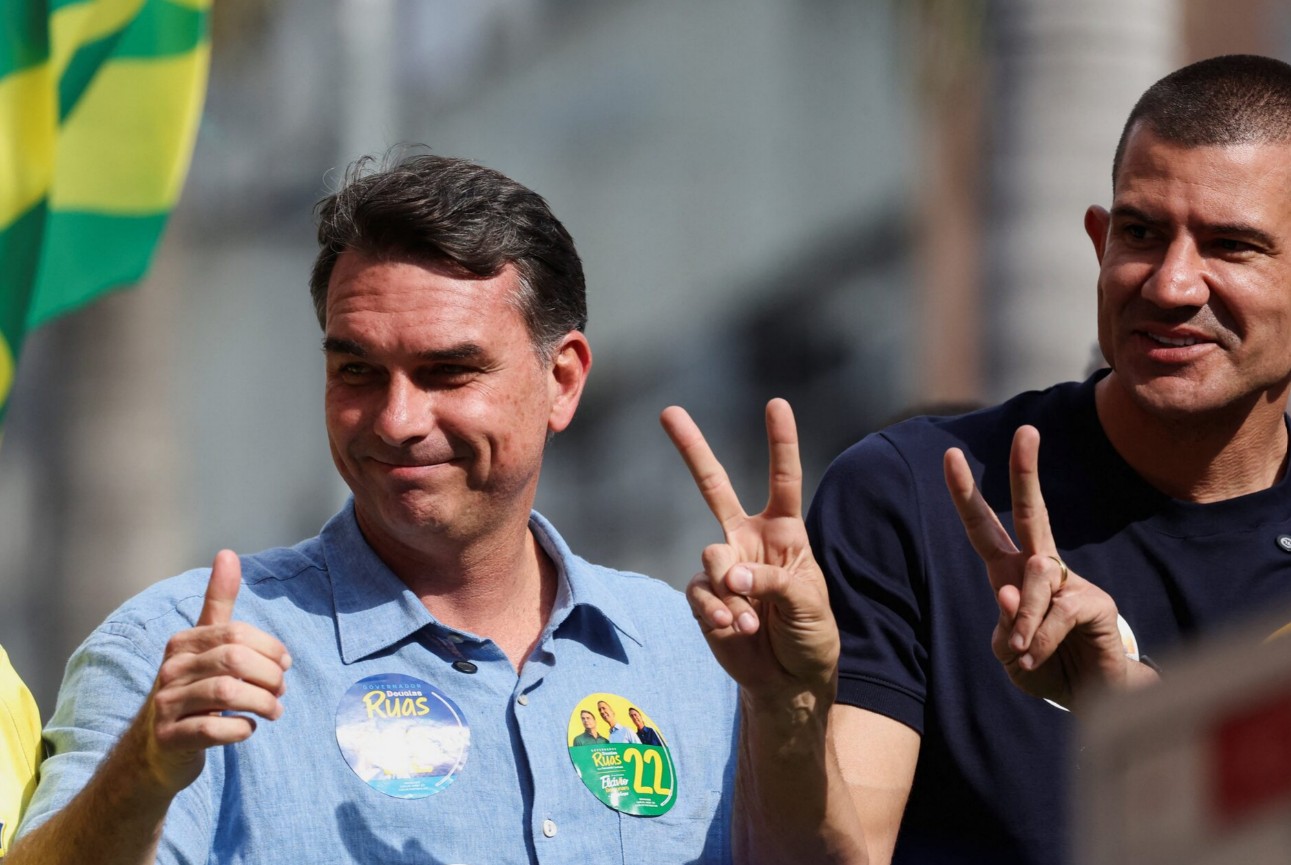
Flávio Bolsonaro, commenting on the results, said: “Brazil wants change, and I am very pleased with the results,” heralding “the end of the Workers’ Party era.”
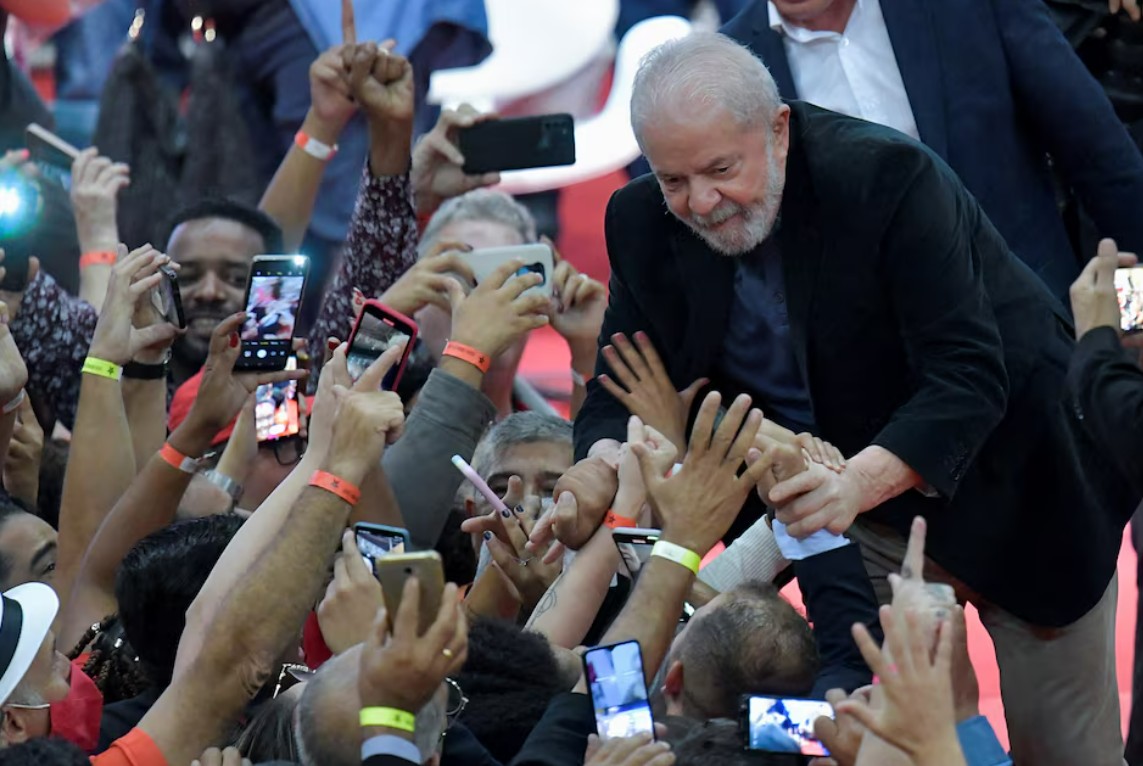
Lula, speaking to supporters in São Paulo, acknowledged: “Starting tomorrow, we begin a new campaign,” promising to show voters his achievements as president.
What stands behind the result
The campaign took place amid economic problems and rising living costs. Flávio Bolsonaro, the 45-year-old son of former President Jair Bolsonaro, who is serving a 27-year sentence for attempting a coup, positions himself as the candidate of change.
Lula, who turns 81 in October, is seeking a fourth term. His campaign focused on defending national sovereignty against US pressure. President Donald Trump said he is watching the election “very closely” but did not give open support to either candidate.
The campaign was marked by mutual accusations and scandals. Flávio Bolsonaro is under investigation in a corruption case linked to the financing of a biographical film about his father.
The runoff
The runoff is scheduled for October 25. Pre-first-round polls showed a technical tie between the candidates in a runoff: Datafolha gave Lula 47–48%, Flávio — 45–46%.
The first-round result may change the campaign’s dynamics. The strengthening of Flávio Bolsonaro’s position, according to analysts, could support the Brazilian real and the stock market, which had been rising on expectations of a business-oriented candidate coming to power.