RIYADH (Realist English). Saudi Arabia is negotiating with foreign governments to give state oil company Aramco access to their strategic oil reserves. Aramco CEO Amin Nasser said this in an interview with Al Arabiya on October 22.
What exactly is being discussed
“Commercial storage available through partners is limited. The main volume is in what we call strategic reserves owned by governments,” Bloomberg quotes Nasser as saying. According to him, the Saudi Ministry of Energy is working with counterparts from other countries to make these strategic storage facilities available to Aramco.
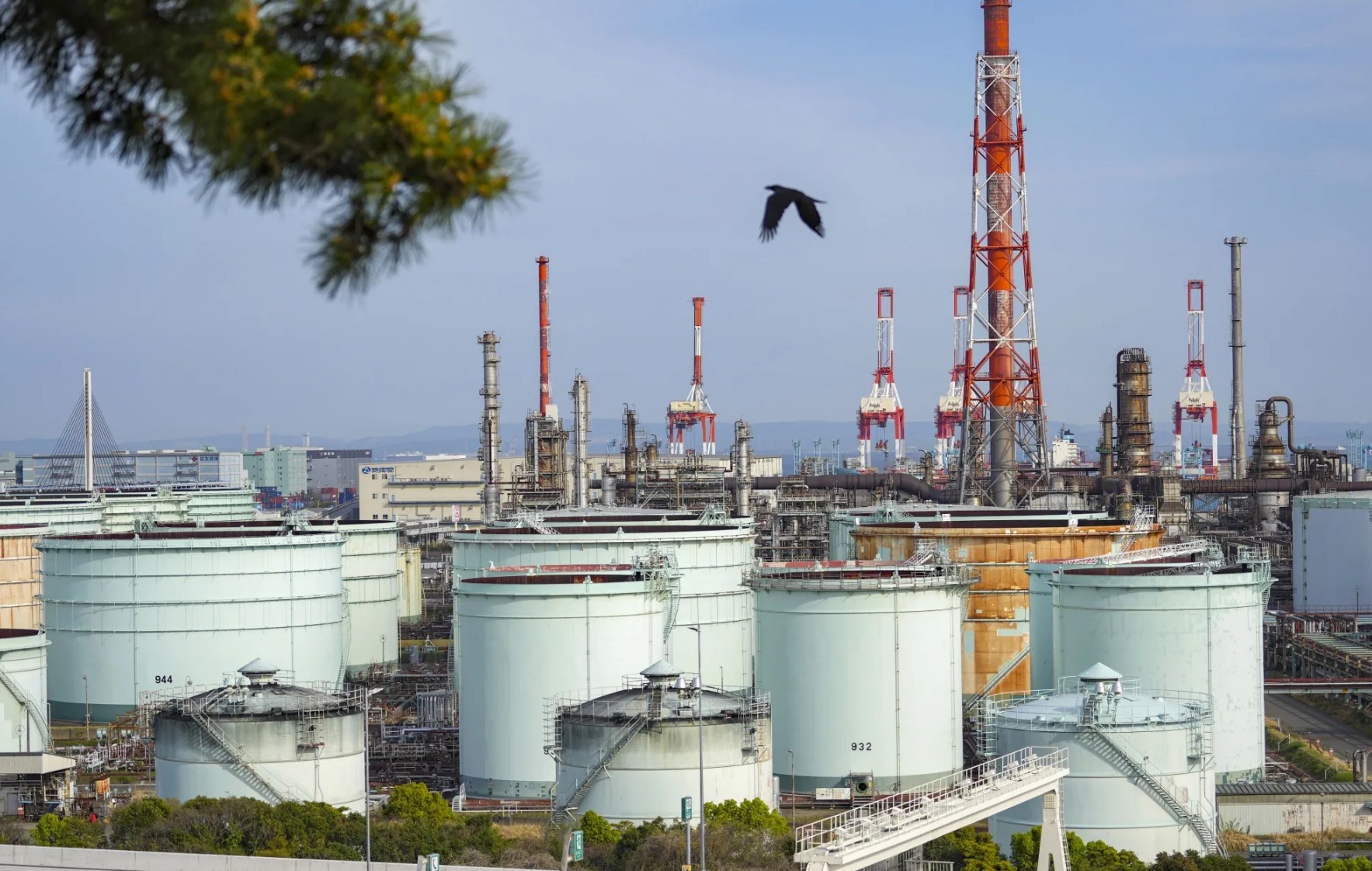
Aramco already has commercial oil stocks in South Korea, Japan, the Netherlands and the Egyptian Mediterranean export hub of Sidi Kerir. The company intends to double its overseas storage capacity, especially in Asia, but does not disclose either the current volume or the expansion timeline.
Why this is happening now
The decision was made after a series of Houthi attacks on Saudi infrastructure. In September, drone strikes knocked out a key pipeline for several days, and on October 21 attacks on the Shaybah field and Dammam airport killed two people in each case. Against this backdrop, Brent exceeded $112 per barrel on Thursday.
Nasser stressed that Aramco is not waiting for the crisis to end: the company has begun engineering studies to increase the capacity of the route from the Persian Gulf to the Red Sea from 7 million to 10 million barrels per day. “Resilience requires decades of investment and preparation,” he said.
Existing network
Aramco is no newcomer to overseas storage. In South Korea, the company leases 5.3 million barrels in Ulsan under a five-year agreement with KNOC. In Japan, it extended a deal to store about 8 million barrels in Okinawa. In China, under an agreement with Rongsheng Petrochemical, Aramco will receive 3 million cubic meters (about 18.6 million barrels) at the Port of Zhoushan. In Egypt, storage at Sidi Kerir is under consideration.
According to Nasser, Aramco already owns the largest energy reserves outside its own country among all energy companies.
Negotiations on access to strategic reserves represent a qualitative shift in Aramco’s strategy. Previously, the company relied on commercial storage facilities that it leases or builds itself.
Now the issue concerns state reserves of other countries, which by definition are created for their own security. Persuading governments to open these reserves to a foreign state-owned company is a political task, not a commercial one.
The motive is transparent: the Houthi attacks have shown that Saudi export infrastructure is vulnerable. Storing oil closer to buyers — in Asia, Europe, Egypt — allows Aramco to fulfill contracts even amid disruptions in the Persian Gulf. But if governments agree, they will effectively share part of their sovereign control over reserves with Riyadh. For buyers, this means more reliable supplies; for the countries themselves, it is a question of whether they are ready for such dependence.