BERLIN (Realist English). Natural gas consumption in Germany has reached its highest level in nine months amid a sharp cold snap and rising electricity demand. According to industry monitoring data, demand in Northwest Europe and the UK rose by 13% in the week of October 12–18 compared with the previous week.
What happened
The cold snap drove up heating demand: heating degree days in Germany increased from 10 to 14, becoming the main driver of consumption growth in the region. In the residential sector, demand rose by 17 million cubic meters per day (+17%), and in the non-residential sector (mainly power generation) by 16 million cubic meters per day (+15%).
At the same time, weak wind generation forced greater use of thermal generation. Across Northwest Europe, renewable output (wind and solar) fell by 13%, while thermal generation rose by 17%.
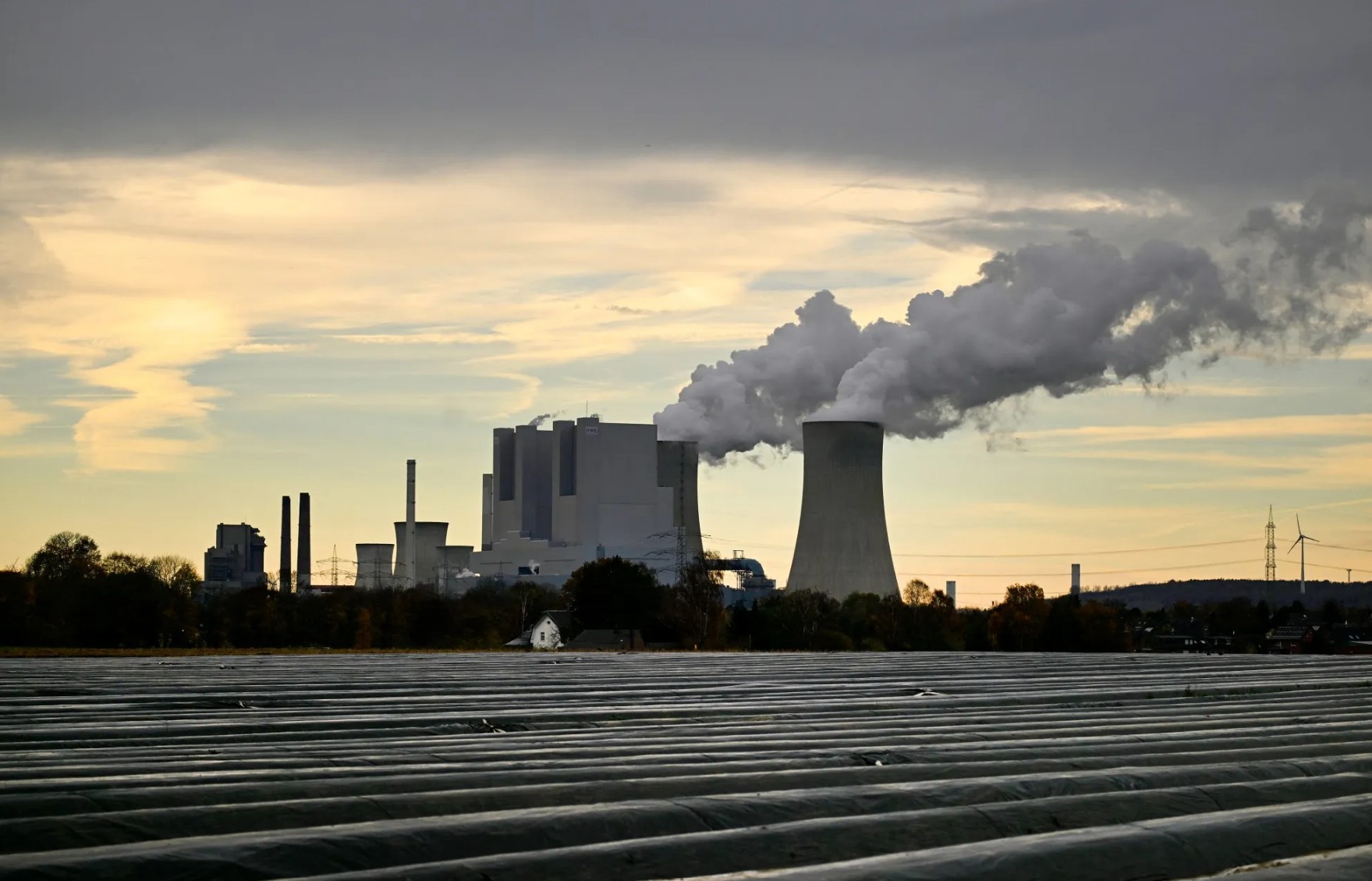
However, in Germany itself, gas consumption for power generation fell by 26% year-on-year, according to Macrostream, partly due to a switch to coal, which proved more economically viable than gas at current prices.
Low storage as a key risk
The rise in consumption comes as Germany’s gas storage remains at a historically low level. As of mid-October, storage facilities were about 59–60% full. For comparison, in previous years, storage typically reached 70% by early November. In absolute terms, as of October 13, storage held 149 TWh, which, according to the German government, already exceeds the entire withdrawal volume of last winter 2025/2026.
The Federal Network Agency (Bundesnetzagentur) says that even with current storage levels, Germany can get through a “normal winter” with cold January days. However, in the event of a severe winter, the situation could change: analysts warn that prices could spike to €140–150 per MWh, twice current levels, forcing industry to cut consumption.
Price and market context
European gas prices remain elevated amid disruptions to LNG supplies. European prices have risen by about 40% from pre-conflict levels after Iranian strikes on Qatari gas infrastructure and the closure of the Strait of Hormuz, which removed about 20% of global LNG production capacity. Although mild weather in early October allowed consumption to decline somewhat, the current cold snap has already reversed the trend.
Competition with Asia for liquefied gas also remains a pressure factor: European buyers are forced to offer higher prices to redirect cargoes from the US and other regions.
The current rise in gas consumption in Germany is not a one-off spike but a reflection of structural vulnerability: the country is entering the heating season with the lowest storage levels in many years, while its energy system still depends on gas during periods of weak wind generation.
The switch to coal observed in Germany eases the burden on the gas balance but simultaneously increases emissions and does not solve the problem of low storage.
If the winter turns out cold, Germany will have to either buy gas at premium prices on the spot market, competing with Asia, or further cut industrial consumption. For Europe as a whole, this means the risk of new price shocks persists, and restoring storage for the next season will require large-scale purchases in the summer of 2027 — and will likely keep prices high.