NAYPYIDAW (Realist English). Myanmar’s authorities devised a scheme to circumvent international sanctions to purchase Iranian aviation fuel. A Reuters investigation published on October 26 showed that the cargo was disguised as South African diesel, and the country’s currency regulator pre-emptively notified the parties to the deal about the document substitution.
What happened
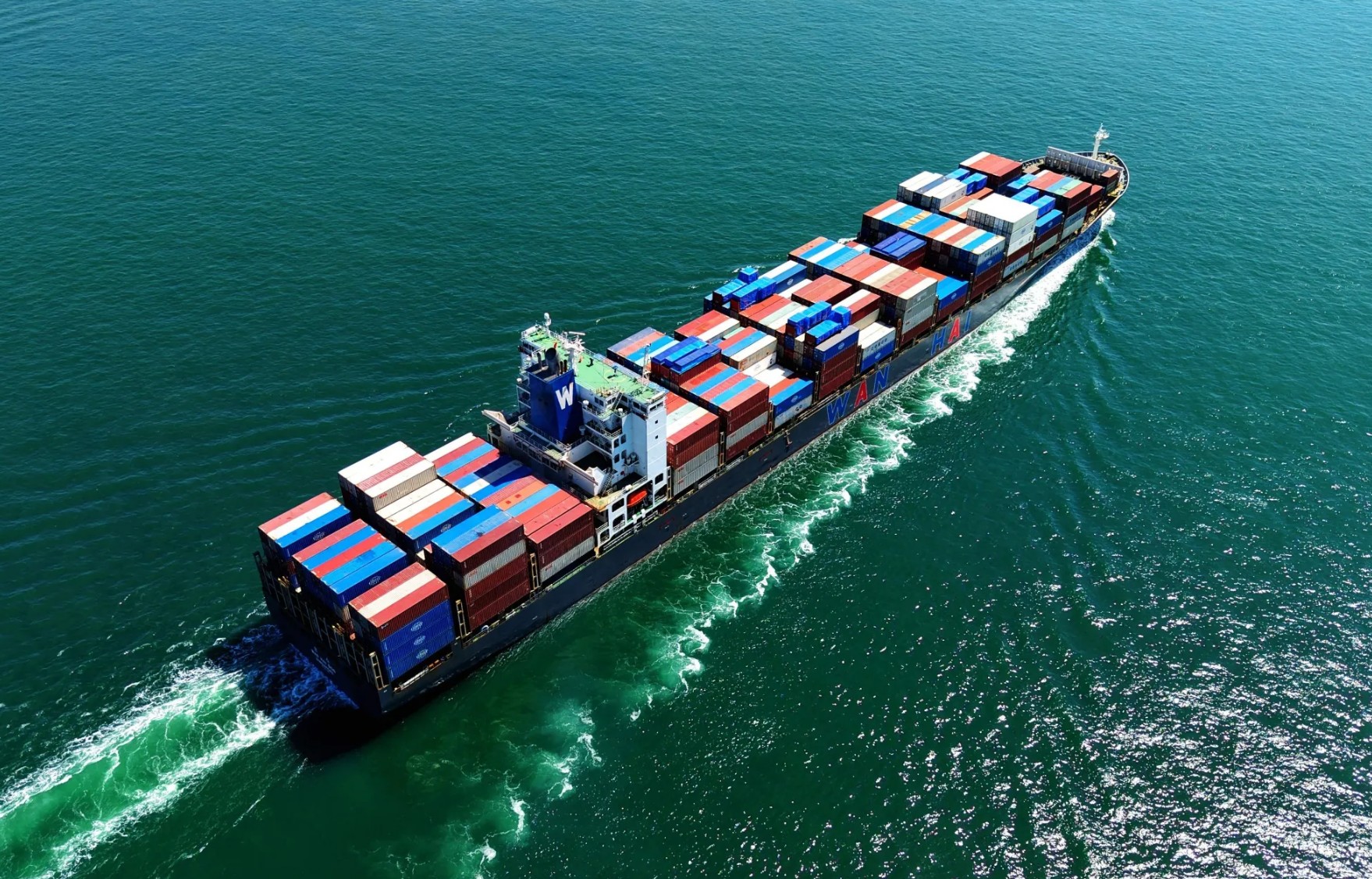
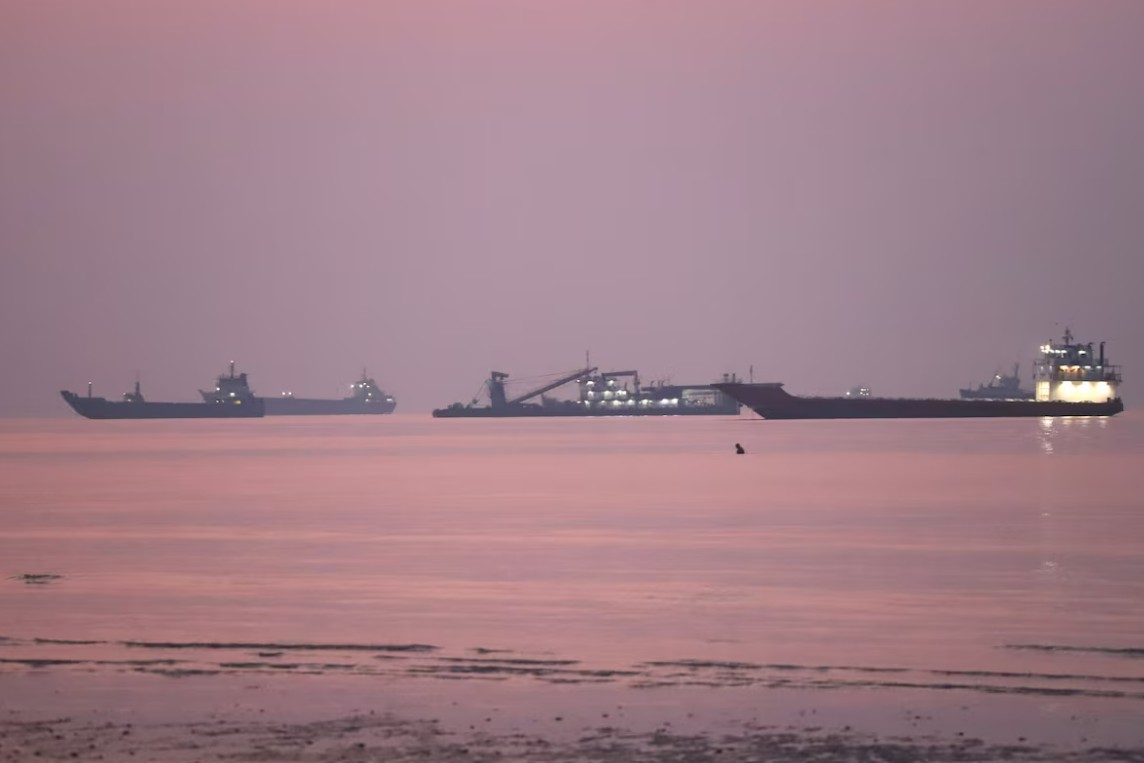
In December 2025, Myanmar energy broker Dynamic Wave struck a deal with Thai company Tawan-Oil Trading for the supply of diesel fuel from South Africa worth $15.8 million. However, according to the UN and analytics firm Vortexa, there was no diesel trade between South Africa and Myanmar in 2025. In reality, the tanker Reef, which was under US sanctions, delivered about 113,000 barrels of aviation fuel from the Iranian port of Bandar Abbas to Myanmar waters. The vessel’s route was tracked using satellite imagery and analysis by SynMax Intelligence.
The regulator’s role
A few days before the tanker’s arrival, on November 30, Myanmar’s currency regulator sent a confidential letter to Dynamic Wave’s client. It stated that the agency would issue import documents in which the cargo would be listed as “diesel fuel” rather than “aviation fuel.” The letter also authorized payment. Thus, the document substitution was sanctioned at the state level.
Participants and context
Besides Dynamic Wave and Tawan-Oil Trading, the scheme also involves National Energy Prime Aviation Services Company — the broker’s client, partially owned by the government backed by Myanmar’s military. The military junta itself, as follows from the regulator’s letter, was directly involved in the concealment.
The scheme operated against the backdrop of two key factors. In 2023, the US imposed targeted sanctions on Myanmar’s aviation fuel sector due to military aircraft strikes on civilian targets; in addition, any purchases of Iranian oil and fuel fall under US sanctions. According to a Reuters report from January 2026, between October 2024 and December 2025, Tehran was the main supplier of aviation fuel to Myanmar’s military. Most of the trade was carried out by tankers Reef (later renamed Maris) and Noble.
The scheme demonstrates both the effectiveness and the limitations of US sanctions pressure. The very fact that false contracts, forged documents, and cargo name substitution were necessary indicates that sanctions “bite” and force violators to take complex and risky measures.
However, Iranian fuel continues to flow into Myanmar. This brings Tehran foreign currency and gives Myanmar’s military the ability to conduct both commercial flights and combat sorties.
For regulators, the lesson is obvious: sanctions work only when they cannot be circumvented through document substitution and intermediaries. In Myanmar’s case, the key link was not a private company but a state currency regulator that authorized the forgery. This raises the question of how effective targeted sanctions are if they are not accompanied by control over the actions of the financial authorities of the violating country.