
ANKARA (Realist English). Turkey has extended its long-term contract for importing natural gas from Iran, which expired in July 2026. According to Bloomberg, citing sources familiar with the negotiations, Turkey’s state-owned Botas and the National Iranian Gas Company (NIGC) extended the agreement until 2032.
Terms of extension: volume and price unchanged
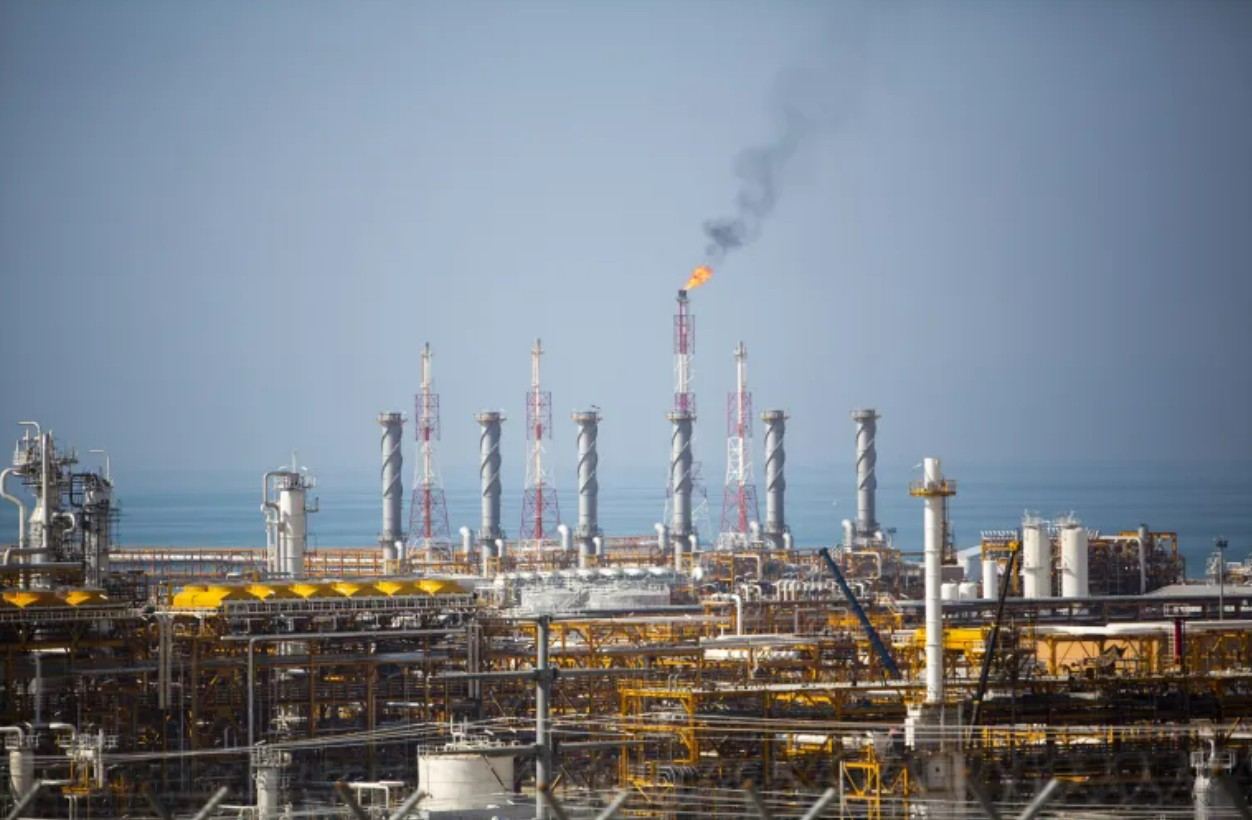
According to Turkish industry sources, Botas’s licence to import Iranian gas has been extended until 18 April 2032. The annual volume remains at 10 billion cubic metres, and the pricing formula has also not changed. Supplies are delivered via pipeline through the Dogubayazit entry point in eastern Turkey.
Turkey’s Energy Ministry and Botas declined to comment, and the press service of Iran’s Oil Ministry did not respond to phone calls over the weekend.
Iran’s place in Turkey’s energy balance
According to Turkey’s Energy Market Regulatory Authority (EPDK), the country imported 58.4 billion cubic metres of natural gas in 2025, of which 7.7 billion came from Iran. With a market share of 13.2%, Iran ranks fourth among suppliers after Russia, Azerbaijan and the US (LNG).
Over the past decade, Iran’s position in Turkish imports has weakened: whereas ten years ago it was the second supplier, it has now ceded ground to cheaper pipeline gas from Azerbaijan and liquefied gas from the US.
Why this matters for Tehran
Pipeline supplies to Turkey remain one of Iran’s few major sources of export revenue. After Washington blocked the country’s southern ports as part of its military campaign against Iran, Iranian oil exports have virtually halted. In November, the US also announced the creation of a special unit to monitor trade through Iran’s land borders and the Caspian region.
FGE NexantECA analyst Siamak Adibi noted that maintaining trade relations with Turkey is important for Tehran because “large bilateral flows make it easier to settle accounts if there are problems with international transactions.” In his assessment, pipeline gas remains a cheaper option for Turkey compared with LNG, whose prices have risen sharply this year.
Payment mechanism: a “strictly controlled account”
According to Turkish Finance Minister Mehmet Simsek, payments for Iranian gas go into a “strictly controlled account” under an arrangement with the US and are used exclusively for purchases of basic goods such as food and medicine. This allows Ankara to maintain supplies without formally violating American restrictions.
Limits and risks
As observers note, the key feature of the situation is the preservation of Turkish-Iranian energy cooperation despite US pressure, but within a mechanism Washington considers acceptable. Extending the contract does not mean sanctions risks are removed: US legislation still restricts financial transactions related to Iranian gas, even if the gas itself is exempt from the ban.
A separate factor is Iran’s domestic gas deficit. According to VOA Farsi, Tehran is extending exports to Turkey despite the fact that in winter the country will face a deficit of 430 million cubic metres per day, and 11 provinces expect “gas stress.” This indicates that export revenue is more important to Tehran than the domestic balance.
For the Turkish economy, the immediate effect will be most noticeable primarily in the cost of heating and industrial production in winter — and that is precisely where it is most sensitive for inflation dynamics and the country’s energy security.