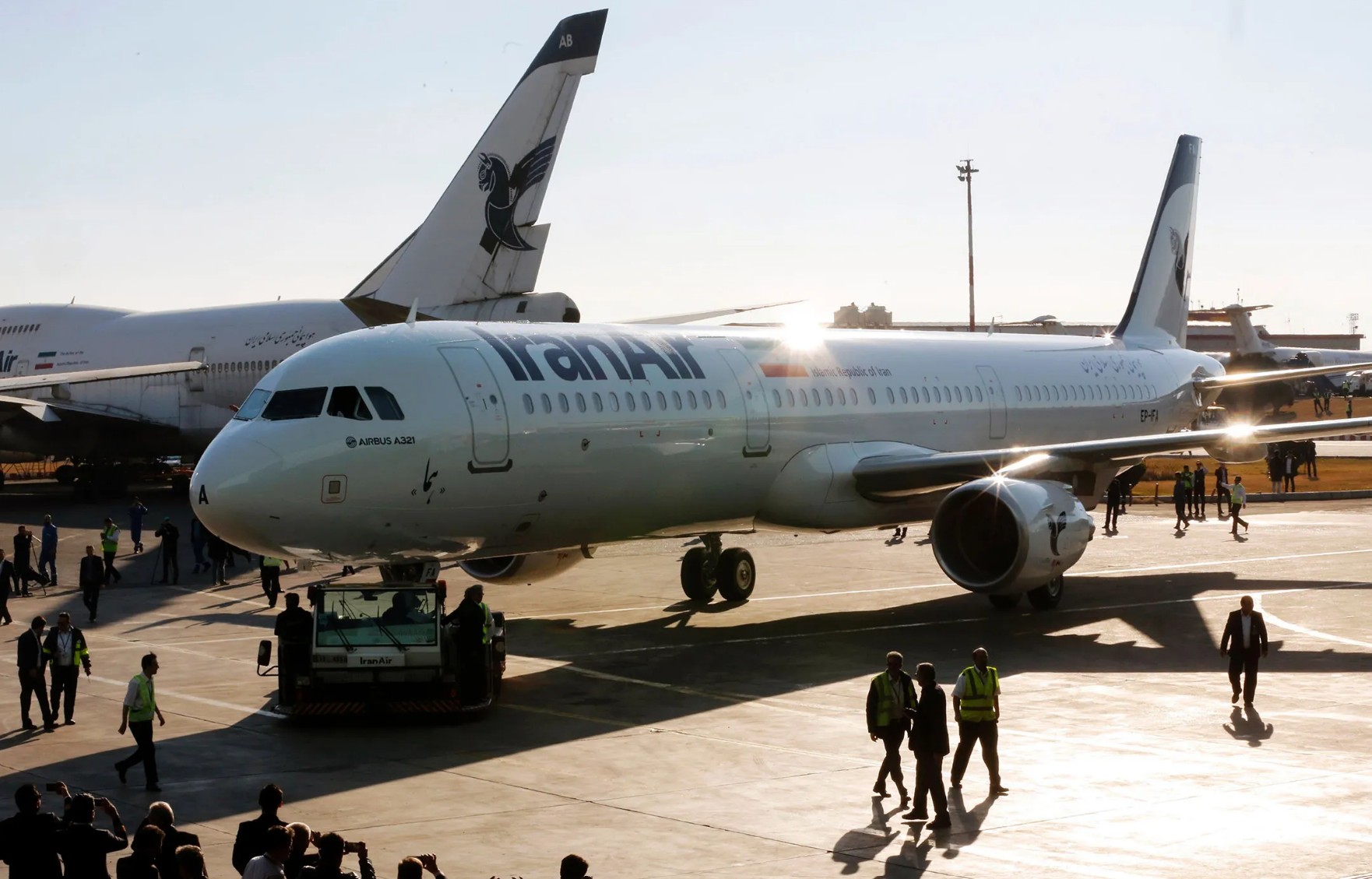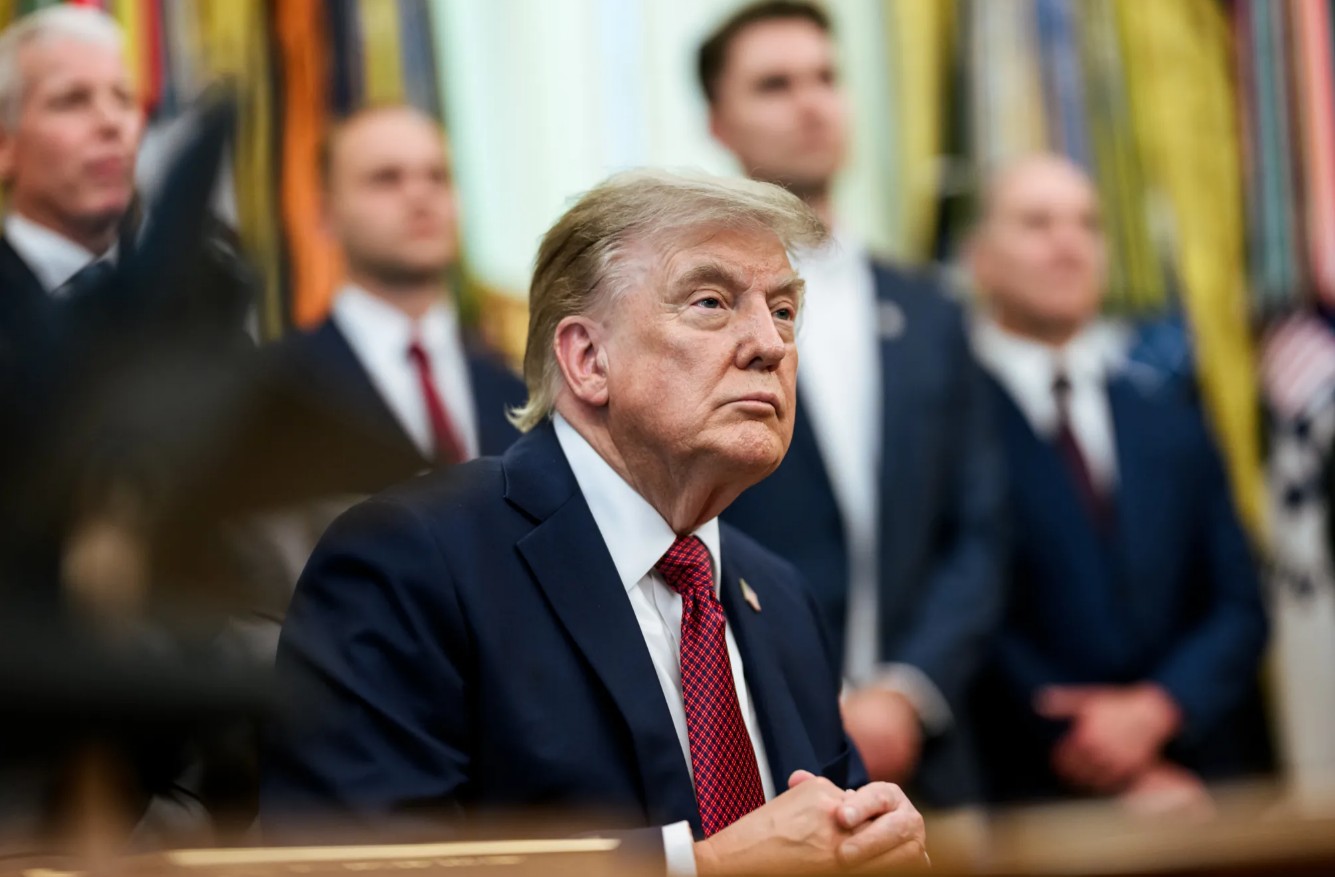
NEW YORK (Realist English). On September 22, US President Donald Trump told journalists on the sidelines of the UN General Assembly in New York that the American side had held “very good and very productive” talks with Iranian officials. According to him, the meeting lasted about three hours, and another meeting has already been scheduled for the near future.
The talks were attended by Trump’s special envoy Steve Witkoff, his son-in-law Jared Kushner, and Iranian Foreign Minister Abbas Araghchi. Later, at a multilateral meeting with the states of the Gulf Cooperation Council and Turkey, Trump said that US representatives had held “very productive talks” with “mediators” and that “all parties are conveying a strong momentum toward reaching an agreement.”
Trump’s Statements and Conditions
After the talks, Trump sent contradictory signals. On the one hand, he said: “I think a solution will be found,” noting that Iran “wants to talk to us.”
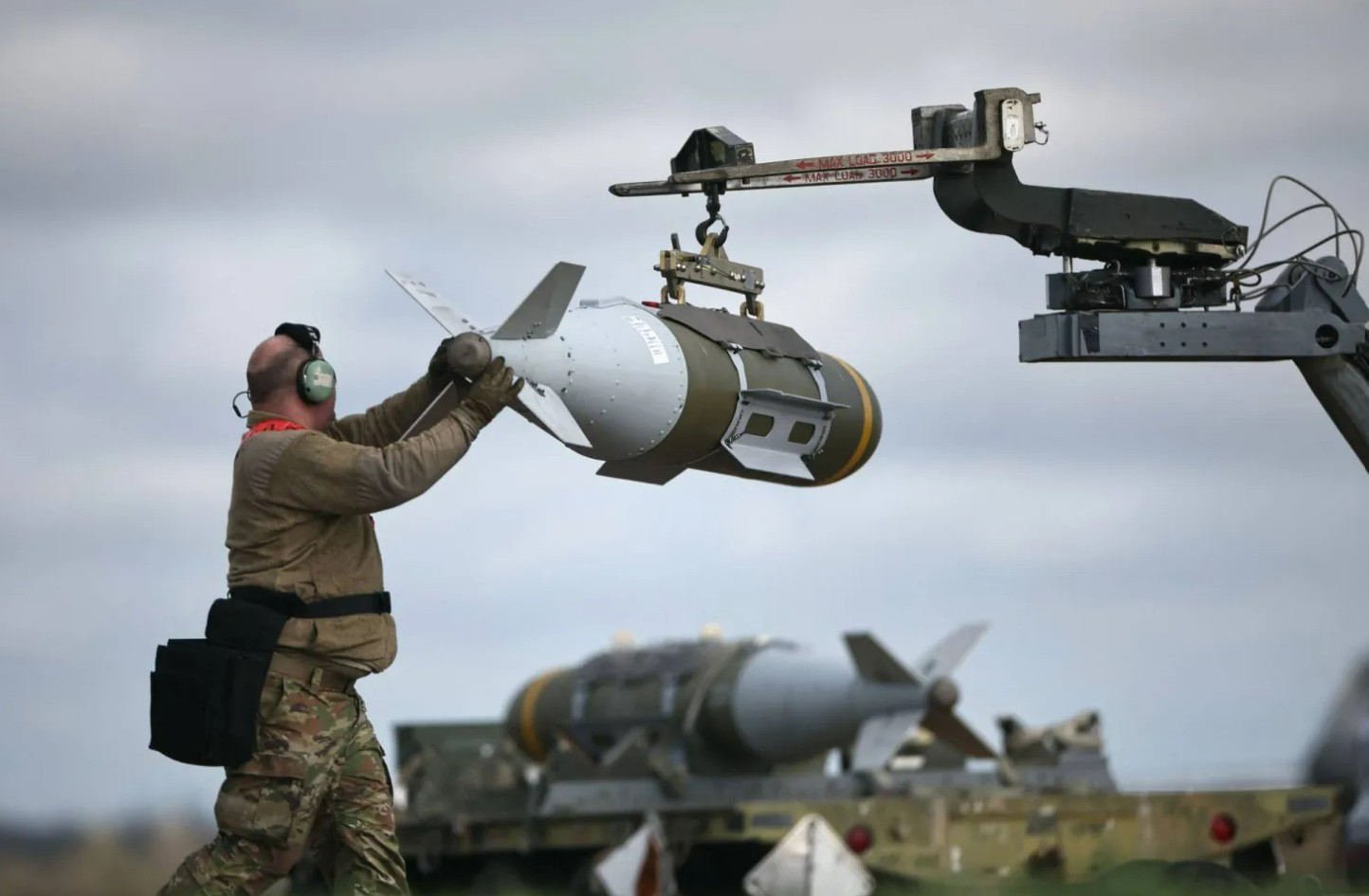
On the other hand, he stressed: “We cannot allow them to get nuclear weapons.” In addition, he again threatened: if “substantial activity” is detected at the Pickaxe Mountain nuclear facility, the US will “immediately bomb it.”
Trump also said that the situation between the US and Iran “could end after the midterm elections, or it could end sooner,” adding: “Either we reach an agreement, or it all ends very quickly.”
Iran’s Conditions
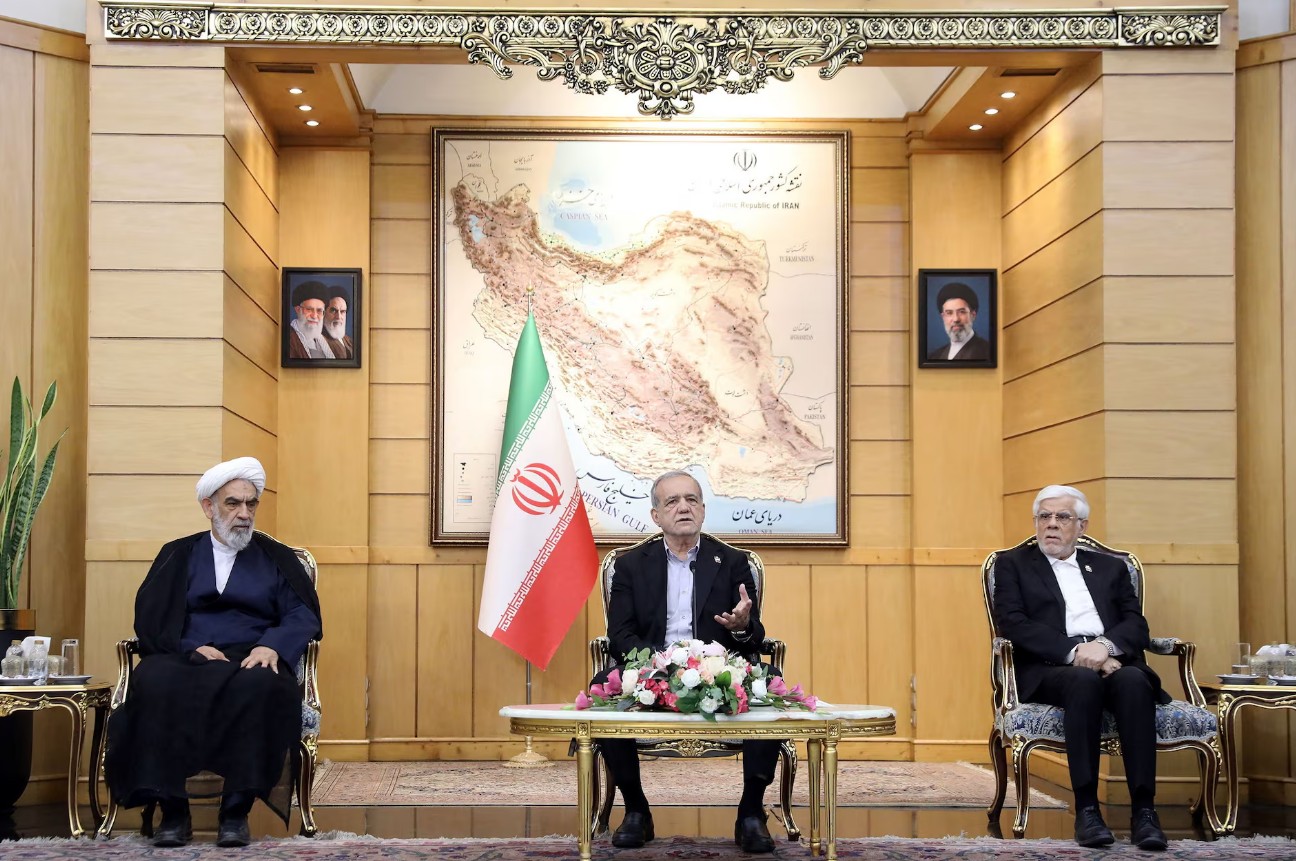
Even before the US-Iranian contacts, Tehran had conveyed its conditions for negotiations to Washington through Qatari mediators. On September 19, the Secretary of Iran’s Supreme National Security Council, Rezaei, said that the Iranian side is putting forward the following demands: an end to all US military actions against Iran, the unfreezing of frozen Iranian assets, and the lifting of the naval blockade.
Rezaei also stressed that Iran has not yet decided to withdraw from the Treaty on the Non-Proliferation of Nuclear Weapons, but “this depends on Washington’s behavior.” Analysts note that Iran’s conditions have somewhat narrowed compared to previous ones, but the probability of US agreement remains low, especially amid the approaching US midterm elections.
Oil Market Reaction and Market Logic
Trump’s statement about “productive” talks became the direct catalyst for the decline in oil prices. Earlier, amid the escalation of the military conflict between the US and Iran, Brent exceeded $100 per barrel on September 9 — for the first time since late July.
On September 8, US Central Command announced the destruction of 5 Iranian tankers, after which the Islamic Revolutionary Guard Corps struck a US base in Jordan in response, and oil came close to the $100 per barrel mark.
However, expectations of further oil price growth are weakening. Robin Brooks, a senior fellow at the Brookings Institution and former chief currency strategist at Goldman Sachs, noted that a Brent price of around $95 per barrel is “reasonable.” He cited three reasons: the market already doubts apocalyptic forecasts of oil price growth, considering them a “hoax”; US deterrence measures are causing serious damage to Iran, and Tehran may indeed return to the negotiating table; the market has learned to adapt to supply chain shocks — South Korea’s shift to importing Canadian oil is a typical example.
Brooks stated that his previous forecast of a peak at $125 “will never happen again, that era is over.”
Fundamental Supply Factors
From a supply perspective, Iranian oil exports did not completely stop during the war and blockade. Iranian Oil Minister Paknezhad said in early September that from the start of the war on February 28 until the announcement of a temporary truce, Iranian crude oil exports “did not stop for even an hour,” and supplies were ensured by moving large volumes of oil to areas far from the blockade zone during calm periods.
As for OPEC+, seven major oil-producing countries, including Saudi Arabia and Russia, decided on September 6 to keep production unchanged in October — the first pause in the increase cycle since April.
Analysts consider this step rather “forced,” since the shipping crisis in the Strait of Hormuz has seriously undermined OPEC+’s real influence on prices — currently the main factor determining the price of oil is not traditional supply and demand, but the transportation problem.
Outlook
US-Iran contacts at the UN open a window for de-escalation, but the fundamental positions of the parties still diverge. Iran demands the lifting of the blockade and sanctions as a precondition for negotiations, while the US insists that Iran must first renounce its nuclear ambitions.
A CICC study notes that over the course of the year, oil prices are likely to display a pattern of “support from supply below, ceiling from demand above”: in the third quarter, the recovery of production in the Middle East being below expectations supports the rise of the lower bound, but after breaking through the $100 mark, the demand ceiling may manifest.
Whether the mediators in New York can achieve substantive progress will determine whether the decline in oil prices continues or they begin to rise again. As one Iranian official previously stated: “The probability of reaching an agreement exists, but the American side needs to demonstrate sincerity and willingness to fulfill obligations.”