DUBAI (Realist English). The Middle East is frozen in tense anticipation: diplomatic manoeuvring over the Strait of Hormuz has reached a critical point, and regional powers are restructuring defence alliances in response to the growing threat from Iran.
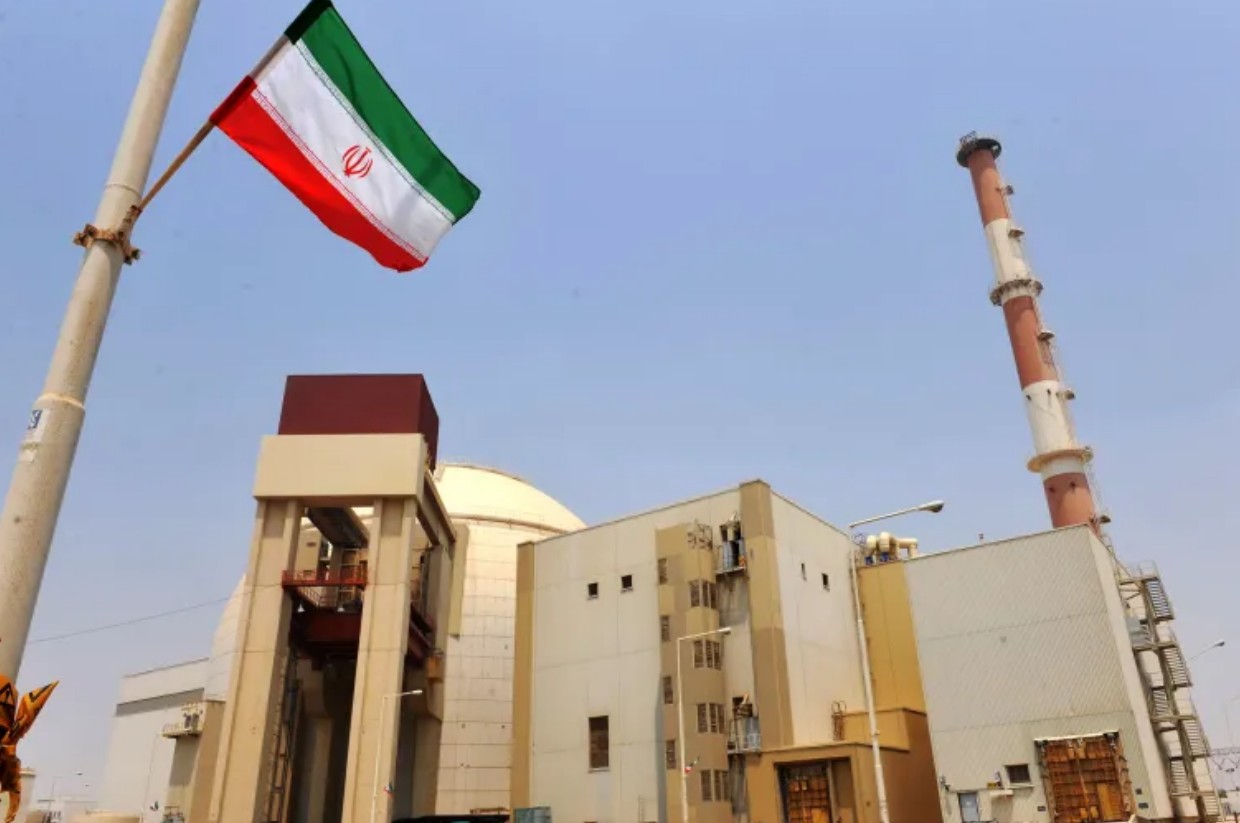
Tehran, while continuing talks with Oman on the technical details of shipping, has simultaneously presented Washington with a six‑point ultimatum – without which the strait will remain closed.
At the same time, Saudi Arabia, Turkey and Pakistan have signed a historic collective defence agreement in Mecca, effectively creating a new military‑political bloc in the Middle East.
Tehran’s six conditions: Hormuz as leverage
On 9 August, Iran’s Supreme National Security Council Secretary Mohammad Baqer Zolghadr unveiled a list of demands that effectively extinguishes hopes for a swift reopening of the Strait of Hormuz. According to the Iranian official, the strait will remain closed until the US fulfils six conditions:
- Cessation of threats against Iran;
- Halting military operations against Iran and its allies in the region (Lebanon, Palestine, Yemen, Iraq);
- Lifting the naval blockade of Iranian ports;
- Withdrawal of US troops from the region around Iran;
- Full compensation to Iran for all damage inflicted during the 2025–2026 wars;
- Lifting all sanctions and unfreezing Iranian assets.
In addition, Iran insists on levying transit fees of 5–7% of cargo value. Oman is discussing a rate of about 3%, while Washington demands the complete abolition of any payments.
“The Strait of Hormuz will not be opened until the US changes its behaviour,” Zolghadr said. Iranian Foreign Minister Abbas Araghchi confirmed that Tehran and Muscat are “very close” to an agreement on a new route through the strait, but stressed that the opening of the waterway depends on “other conditions,” including US compensation for violating the June memorandum of understanding.
Iran‑Oman deal: control over inbound traffic
Despite the tough rhetoric, talks between Iran and Oman continue. According to Reuters, the sides have already agreed on the geographical coordinates of a new route through the Strait of Hormuz. Under the draft agreement, vessels entering the Persian Gulf would follow a channel controlled by Iran along its coast, while those leaving would take the Omani route.
Omani diplomats have called the talks “positive and constructive.” However, Iranian officials make it clear: even if the agreement with Oman is signed, it does not guarantee the automatic reopening of the strait. Islamic Revolutionary Guard Corps representative Hossein Mohebbi said that the opening of the strait “does not depend on Iran‑Oman talks” but is a matter of fulfilling all US obligations.
Against this backdrop, attacks on ships in the strait continue. The UAE reported an Iranian strike on a tanker belonging to the state oil company, while British naval forces recorded a fire on a vessel after a projectile strike.
The Mecca Pact: a new security axis in the Middle East
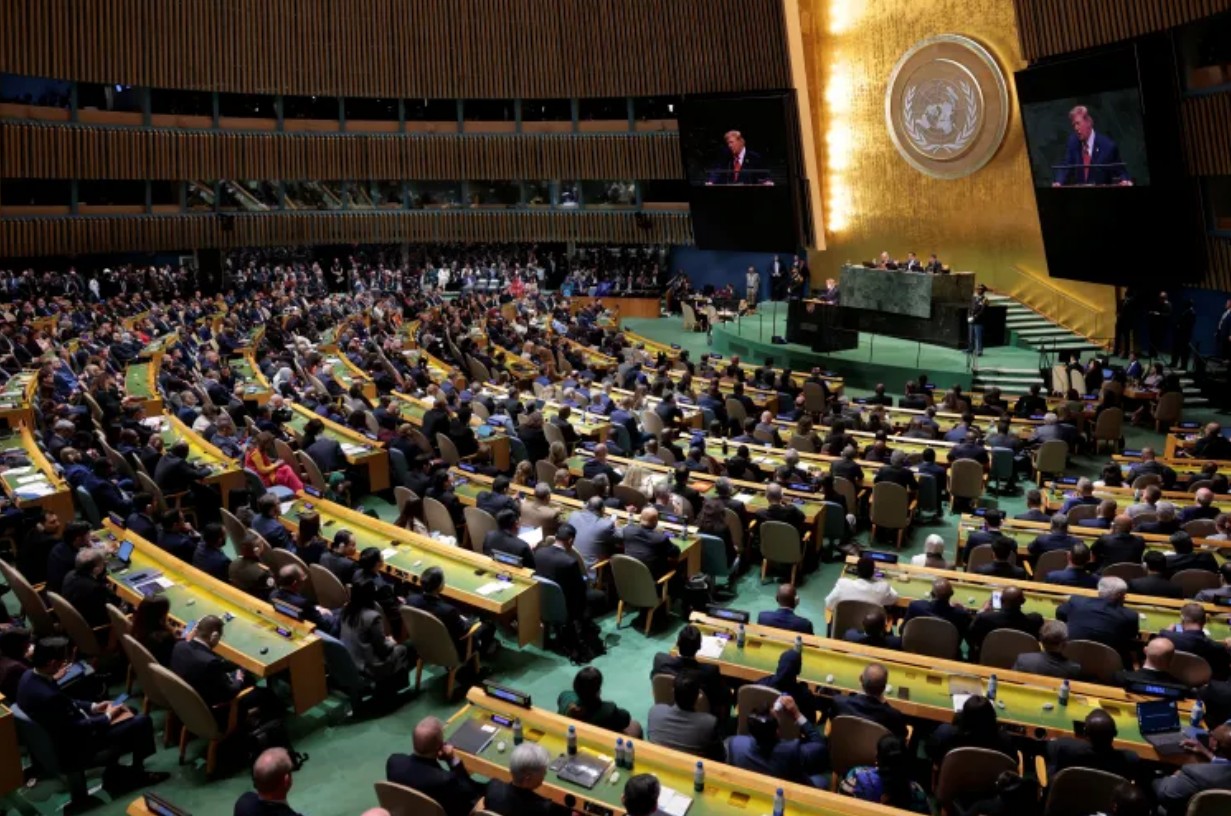
While Tehran dictates terms to Washington, Saudi Arabia, Turkey and Pakistan on 7 August signed the Mecca Agreement for Joint Deterrence. The document, signed in the holy city of Islam, stipulates that an armed attack on one of the three countries will be considered an attack on all three.
The ceremony took place as part of the Mecca Joint Defence Summit. The document was signed by Saudi Crown Prince Mohammed bin Salman, Turkish President Recep Tayyip Erdoğan and Pakistani Prime Minister Shehbaz Sharif.
Three powers, one alliance
Each of the participating countries brings unique capabilities to the alliance:
- Saudi Arabia – the world’s largest oil exporter and the region’s financial hub;
- Turkey – NATO’s second‑largest army and a rapidly growing defence industry;
- Pakistan – the only Muslim state with nuclear weapons.
The agreement, according to Pakistan’s Foreign Ministry, “strengthens collective deterrence against any acts of aggression” and is purely defensive in nature, remaining open to other countries in the region.
Foundation and context
The Mecca Pact builds on previously concluded bilateral agreements. In September 2025, Saudi Arabia and Pakistan signed the Strategic Mutual Defence Agreement, under which an attack on one party is considered an attack on both. In April 2026, Pakistan had already deployed 8,000 troops, a fighter squadron and an air defence system to the kingdom.
The agreement was signed amid the escalation of the US‑Israel‑Iran conflict and disruptions to shipping in the Strait of Hormuz. Saudi Arabia, on whose territory US military facilities are located, has repeatedly come under attack during the escalation.
Iran criticises, Israel silent
Iranian MP Ibrahim Rezaei criticised the deal on social media platform X, saying that “a paper agreement with Turkey and Pakistan will not bring security to Saudi Arabia.” There has been no official response from Tehran at the leadership level.
Israel also refrained from commenting. Prime Minister Benjamin Netanyahu’s office and Israel’s Foreign Ministry have not issued official statements on the Mecca Pact.
The Middle East finds itself at a crossroads. On one hand, Tehran continues to tighten its demands on Washington, making the opening of the Strait of Hormuz contingent on a comprehensive settlement that includes sanctions relief, troop withdrawal and compensation. On the other, Saudi Arabia, Turkey and Pakistan are forming a new security axis, designed, in the participants’ view, to strengthen collective deterrence in the region.
The war that began in February 2026 continues to reshape the map of alliances and rivalries. Iran is using control over the Strait of Hormuz as its main lever of pressure on the US. Saudi Arabia is seeking new security guarantees by diversifying its defence partnerships. The question is whether the Mecca Pact will become a genuine deterrent – or merely another document that cannot prevent a new escalation.