MOSCOW (Realist English). The free trade zone agreement between the Eurasian Economic Union and the United Arab Emirates will enter into force on 6 October 2026.
This was announced by Andrey Slepnev, Minister for Trade of the Eurasian Economic Commission, on the sidelines of the 8th Kyrgyz‑Russian Economic Forum.
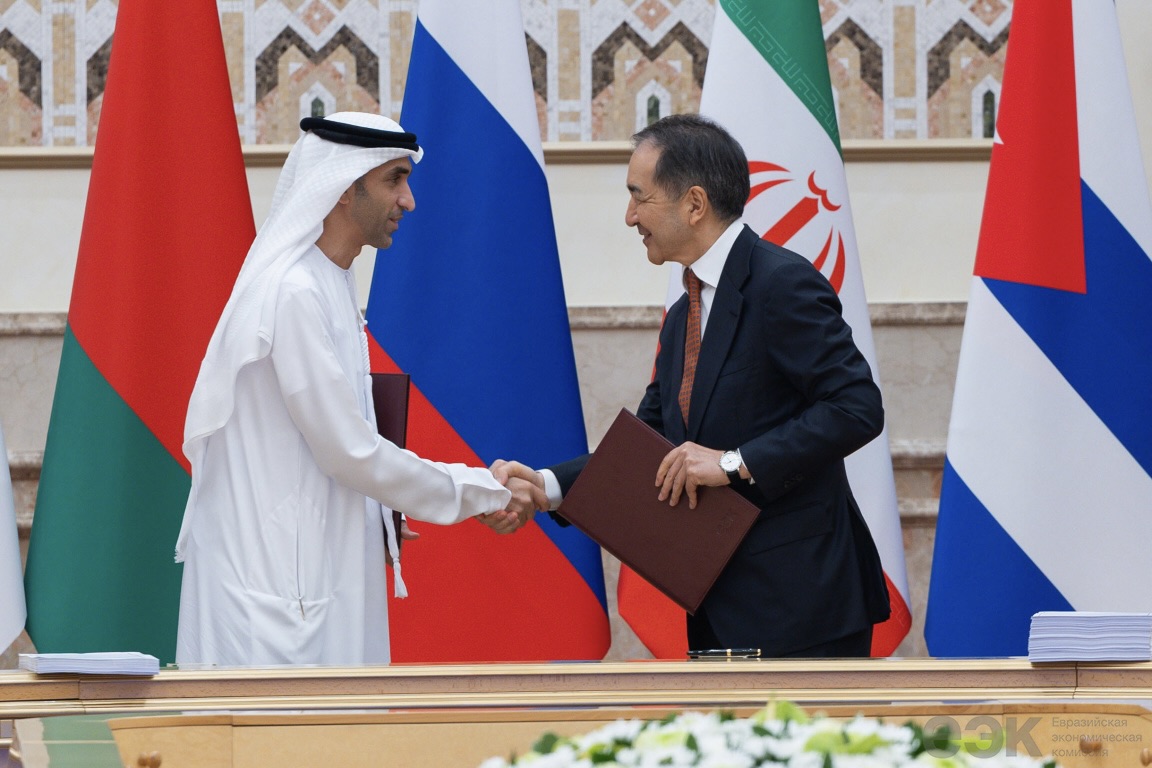
“Today we exchanged notes with the Emirati side. All procedures related to the ratification and entry into force of the free trade agreement with the United Arab Emirates have been completed,” Slepnev was quoted as saying by TASS.
From signing to ratification: a year and a half of procedures
The free trade zone agreement between the EAEU and the UAE was signed in Minsk on 27 June 2025. Since then, the document has undergone ratification procedures in the five member states of the union – Russia, Belarus, Kazakhstan, Armenia and Kyrgyzstan – as well as in the UAE.
In May 2026, Russian President Vladimir Putin signed the law ratifying the agreement. The final step was the exchange of notes with the Emirati side, which took place on 6 August.
What changes: 86% of goods – duty‑free
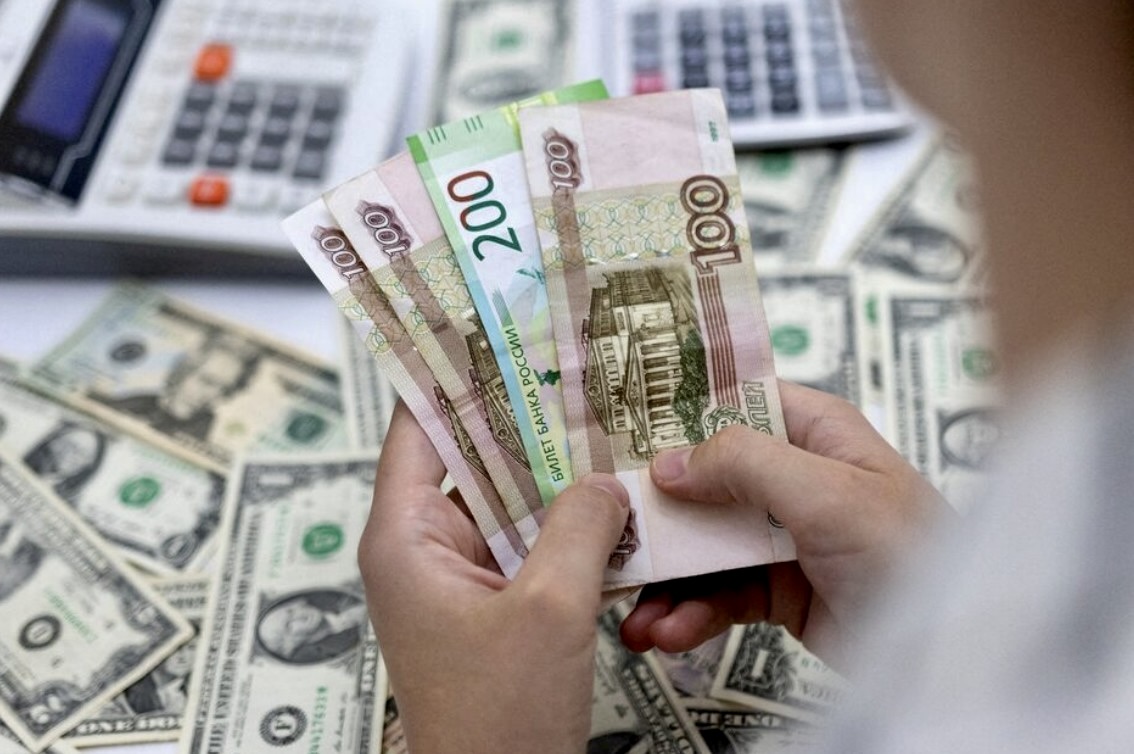
The new trade regime provides preferential access for 86% of the product range, covering 98% of the EAEU’s export volume to the UAE. According to the EEC, this will allow exporters from the union countries to save at least $266 million annually on customs duties.
The EAEU goods that have received preferential access include:
Agriculture: cereals (wheat, barley, corn), meat (beef, lamb, offal), poultry meat, eggs, dried vegetables (chickpeas, peas, lentils, beans), vegetable oil, dairy products, confectionery, honey, mineral water, jams and chocolate.
Industry: metallurgical products, petroleum products (including light and other distillates), timber industry products, cellulose, printed products, chemical goods, and a wide range of mechanical equipment – from turbines to pumps.
The UAE, in turn, will be able to increase supplies of consumer goods and a number of other items that the EAEU countries are interested in importing.
Plus $5–6 billion in trade turnover and the North–South corridor
The EEC expects that after the agreement comes into force, annual trade turnover between the EAEU and the UAE could increase by at least $5–6 billion. In 2025, trade turnover had already grown by 12% compared to the previous year.
The document also contains modern provisions on e‑commerce, economic cooperation and the participation of small and medium‑sized businesses in international trade. The agreement covers customs cooperation, the elimination of technical barriers, joint sanitary and phytosanitary measures, intellectual property protection and government procurement.
The EEC particularly emphasised the importance of the transport and logistics dimension through the UAE. The Emirates are part of the North–South Corridor, which creates additional opportunities for EAEU exporters to access markets in the Gulf countries, the Indian Ocean and South Asia.
The free trade zone between the EAEU and the UAE becomes a reality on 6 October. For union exporters – $266 million in savings on duties and access to 86% of product categories. For the UAE – access to the markets of the Eurasian Union countries. But the main question is how quickly businesses will take advantage of the new opportunities and whether they can increase trade turnover by the promised $5–6 billion per year. The answer to this will become clear in 2027.